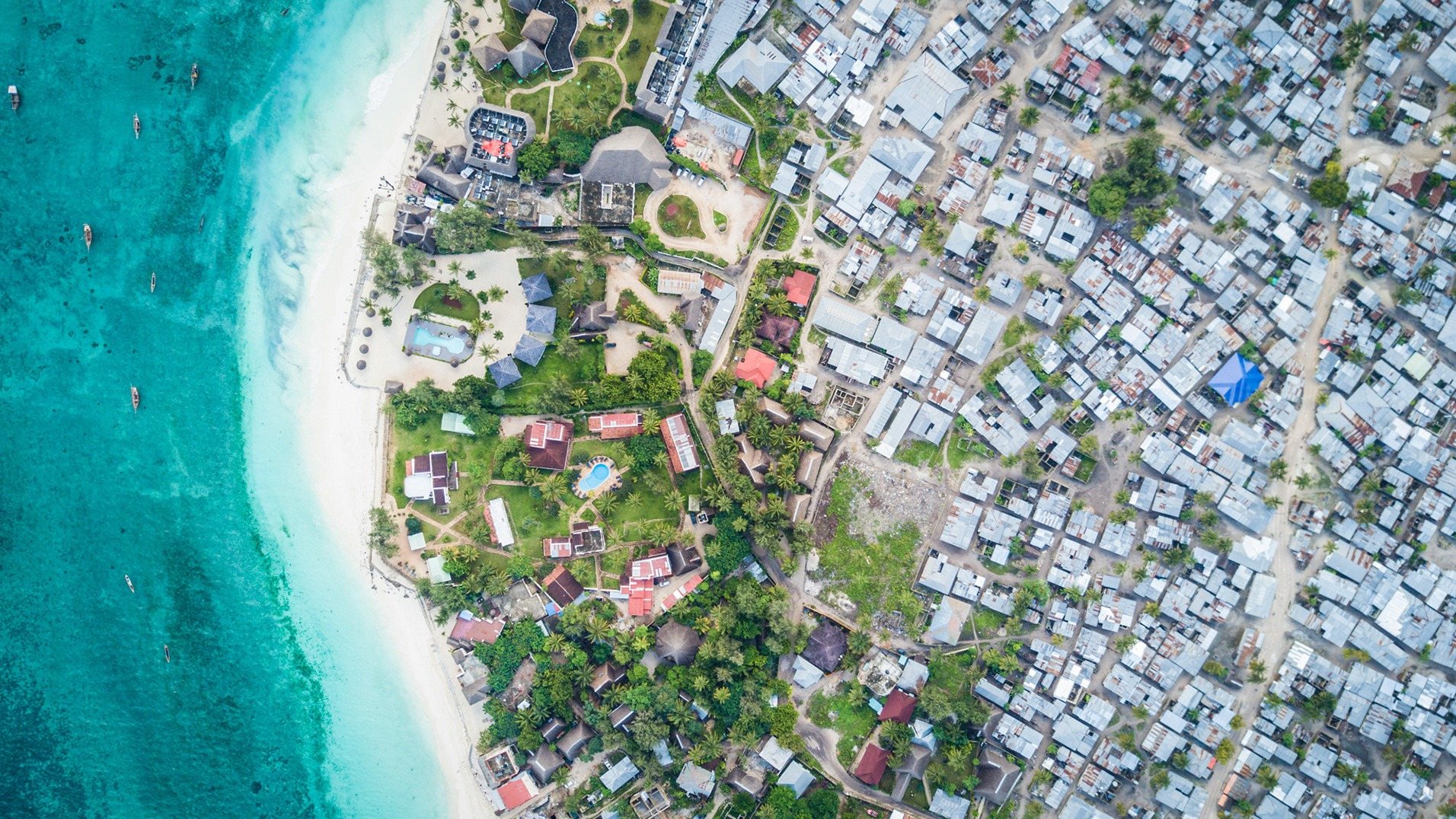
Zambia
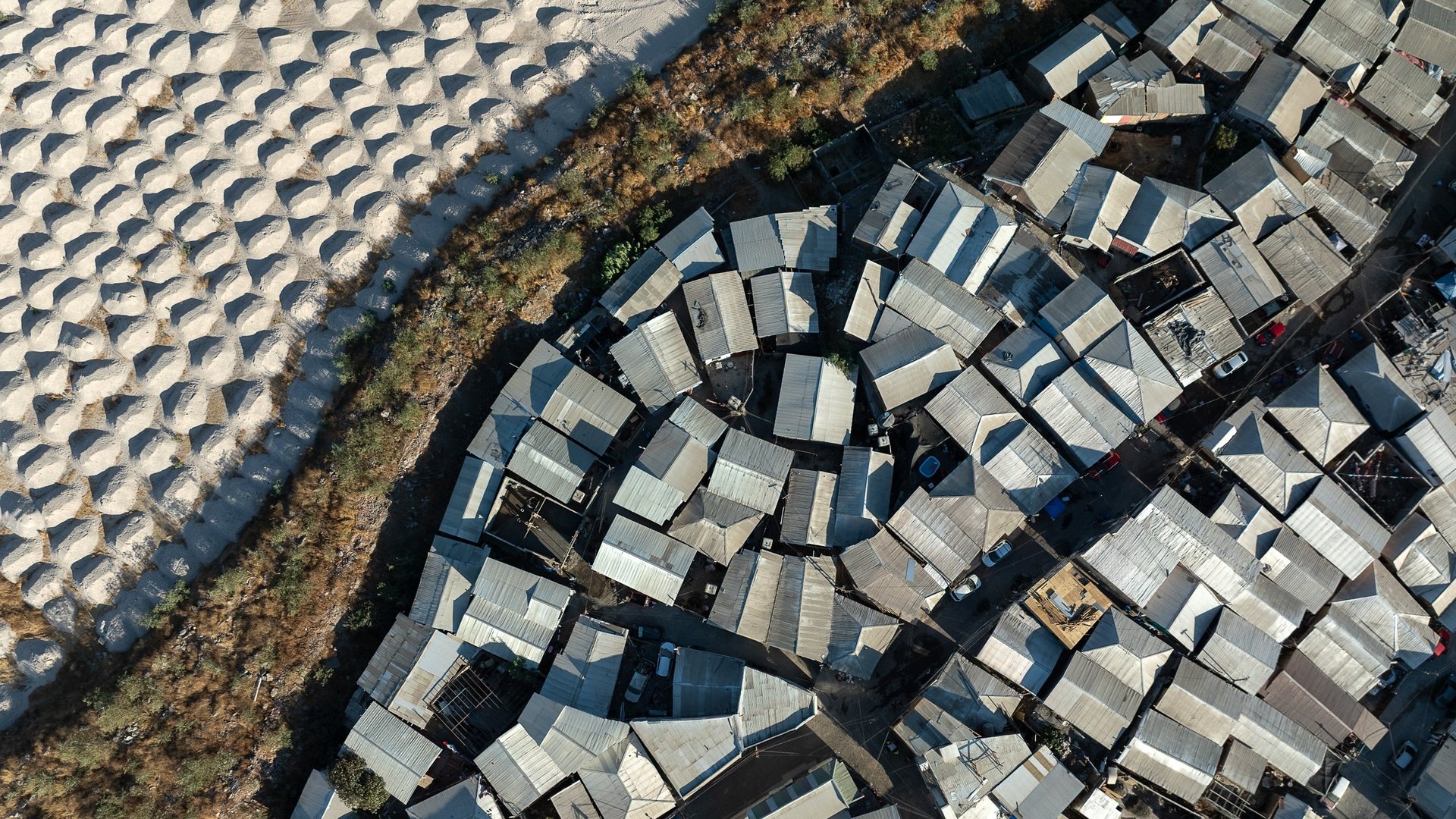
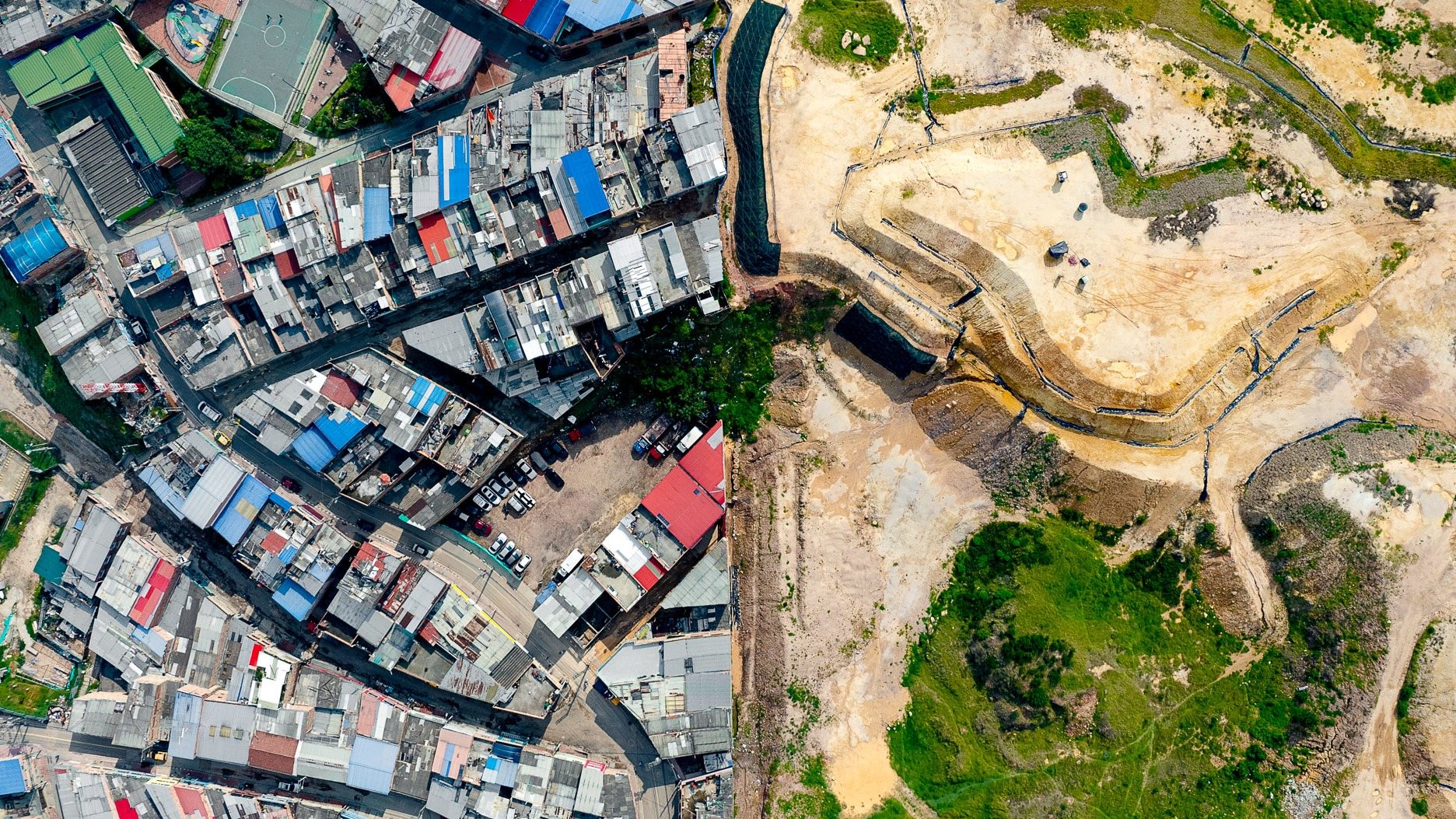
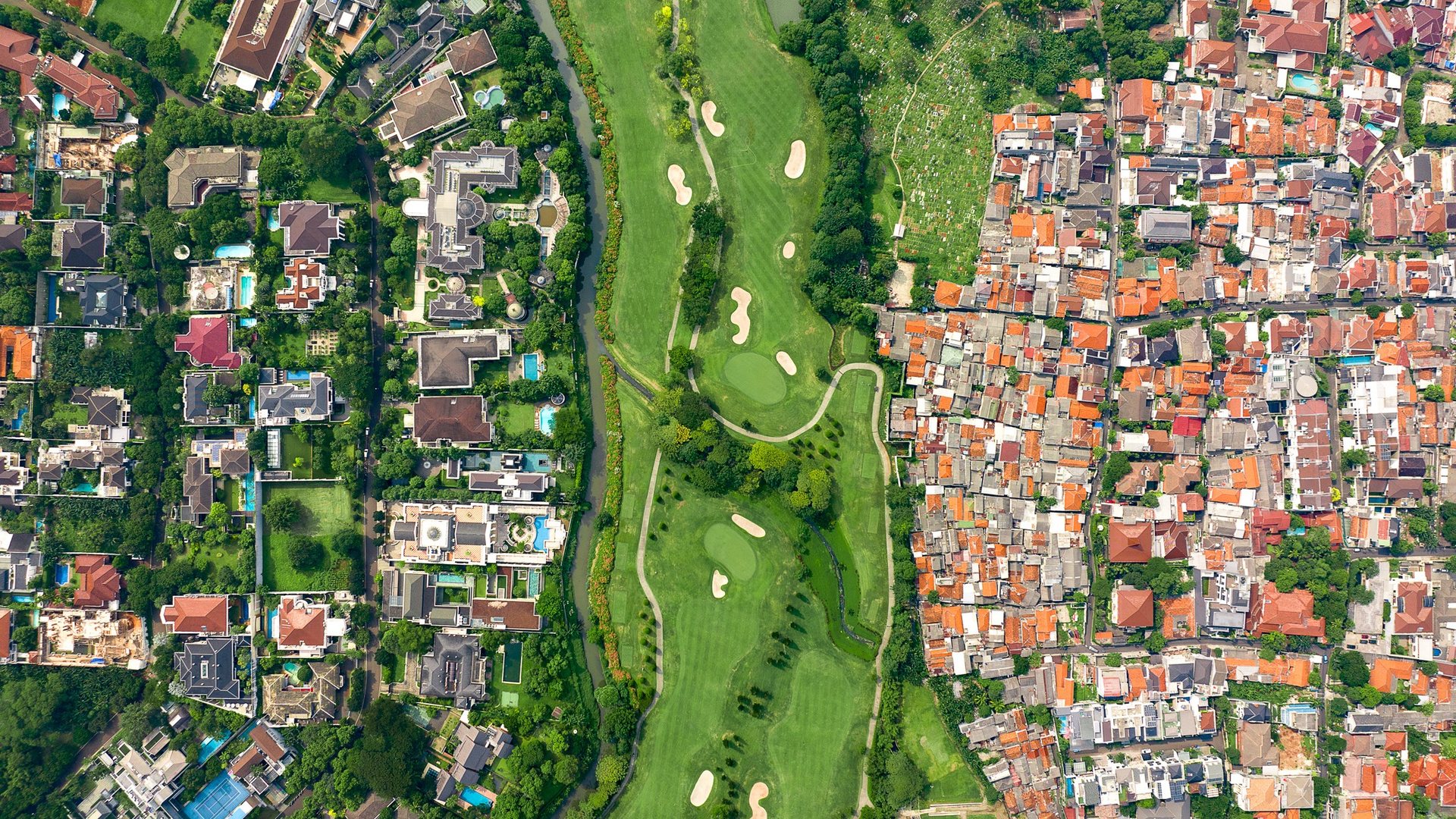
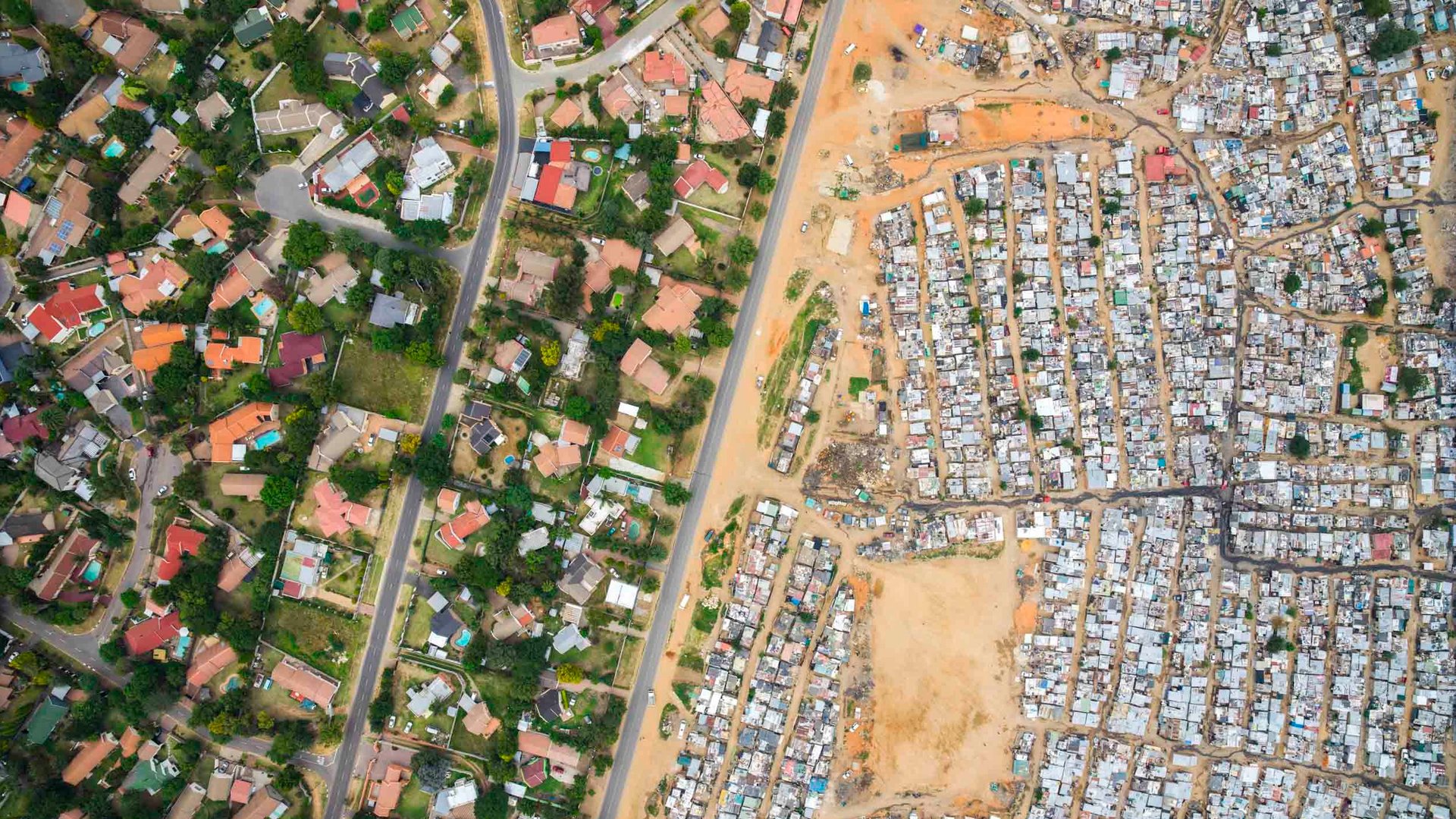
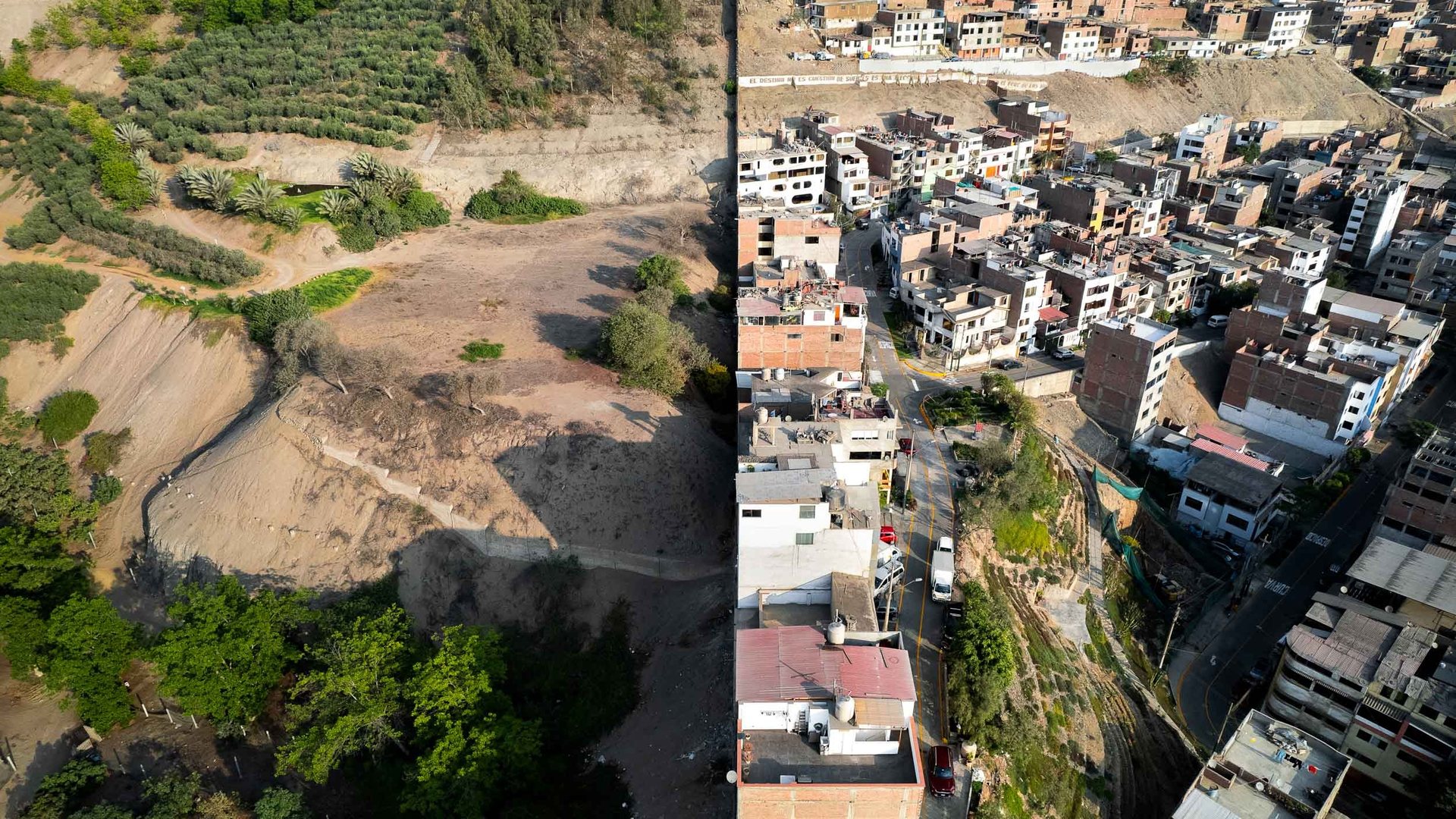
Chudleigh and Ngombe sit barely two kilometers apart in Lusaka. Walls, razor wire, and a tree-lined quiet on one side; an unplanned warren of roughly 100,000 people on the other.
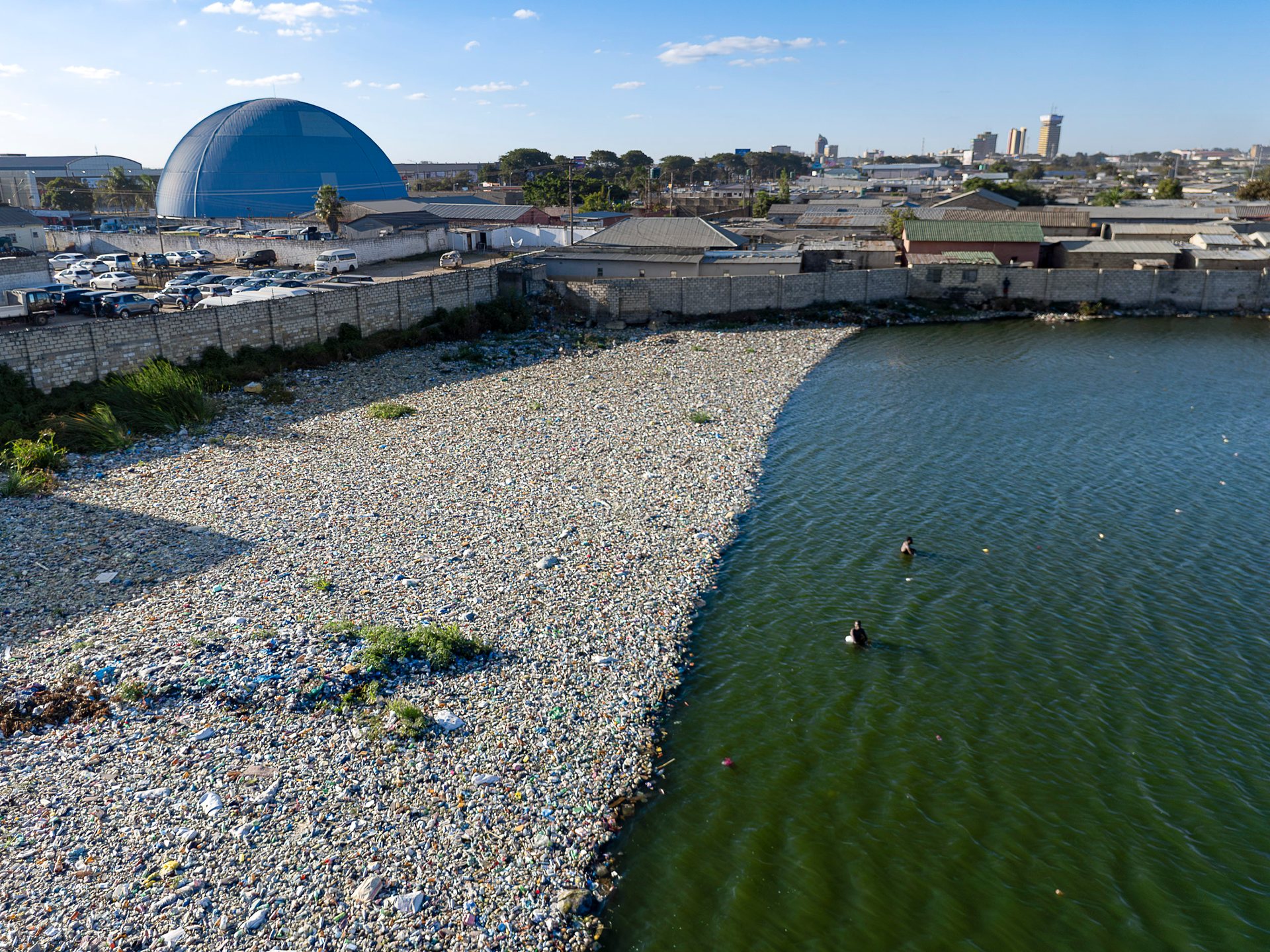
Two men adjust their net in a lake in the compound of Msisi, Lusaka, founded in the 1960s on land squatted from a colonial-era farm (the name is simply the Nyanja rendering of "Mrs.", after the original white landowner, a Mrs. Edwards). This lake is euphemistically called "Blue Waters" — an old quarry in the middle of Misisi that doubles as the compound's landfill, swimming hole, fishing pond, and, for some, drinking water.
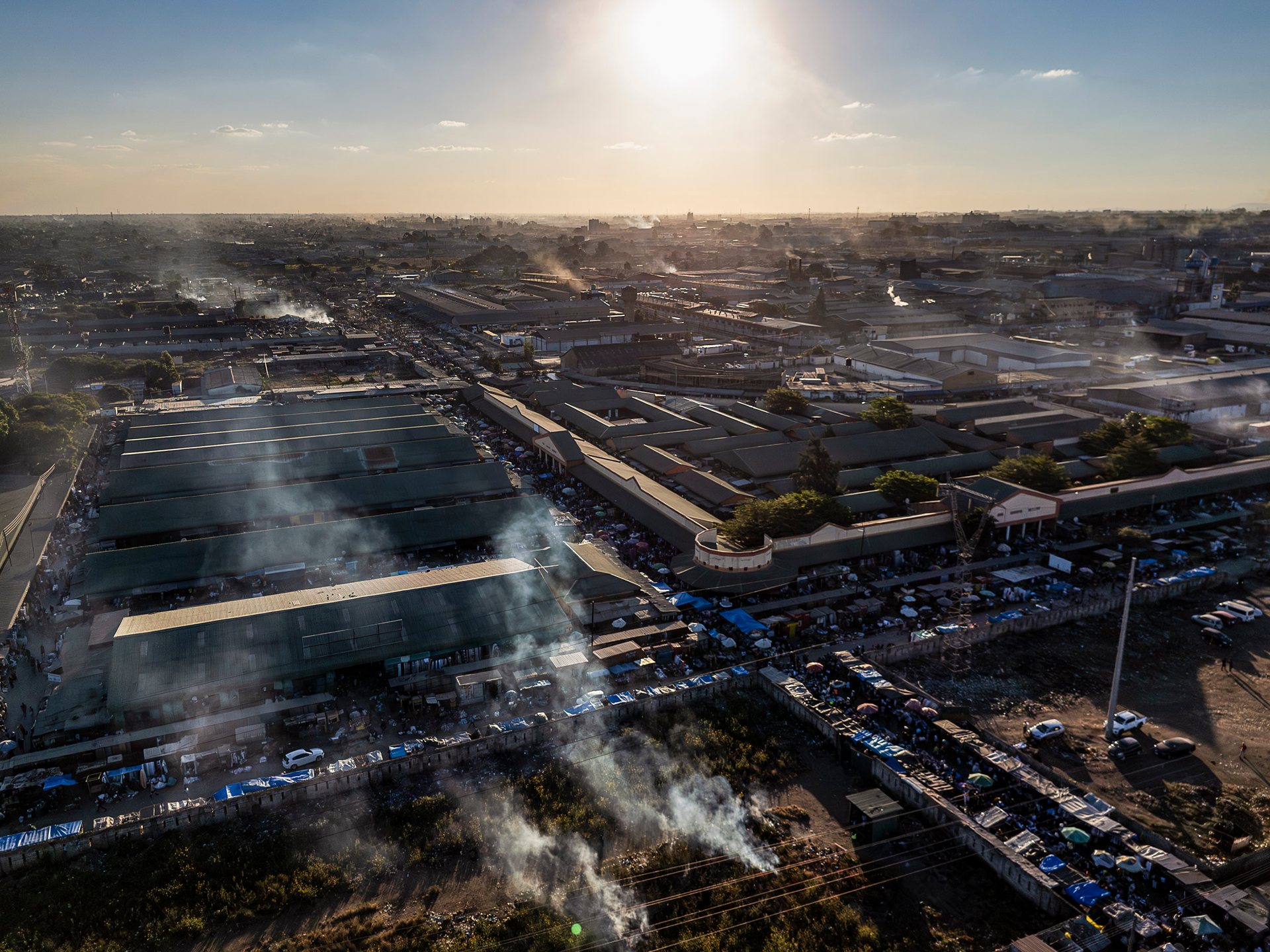
The fringes of Soweto Market, Zambia's largest, where the formal grid of the CBD dissolves into a labyrinth of stalls, tarps, and handcarts. Roughly 80% of Lusaka's population sources its food through the informal sector, and almost all of it passes through here.
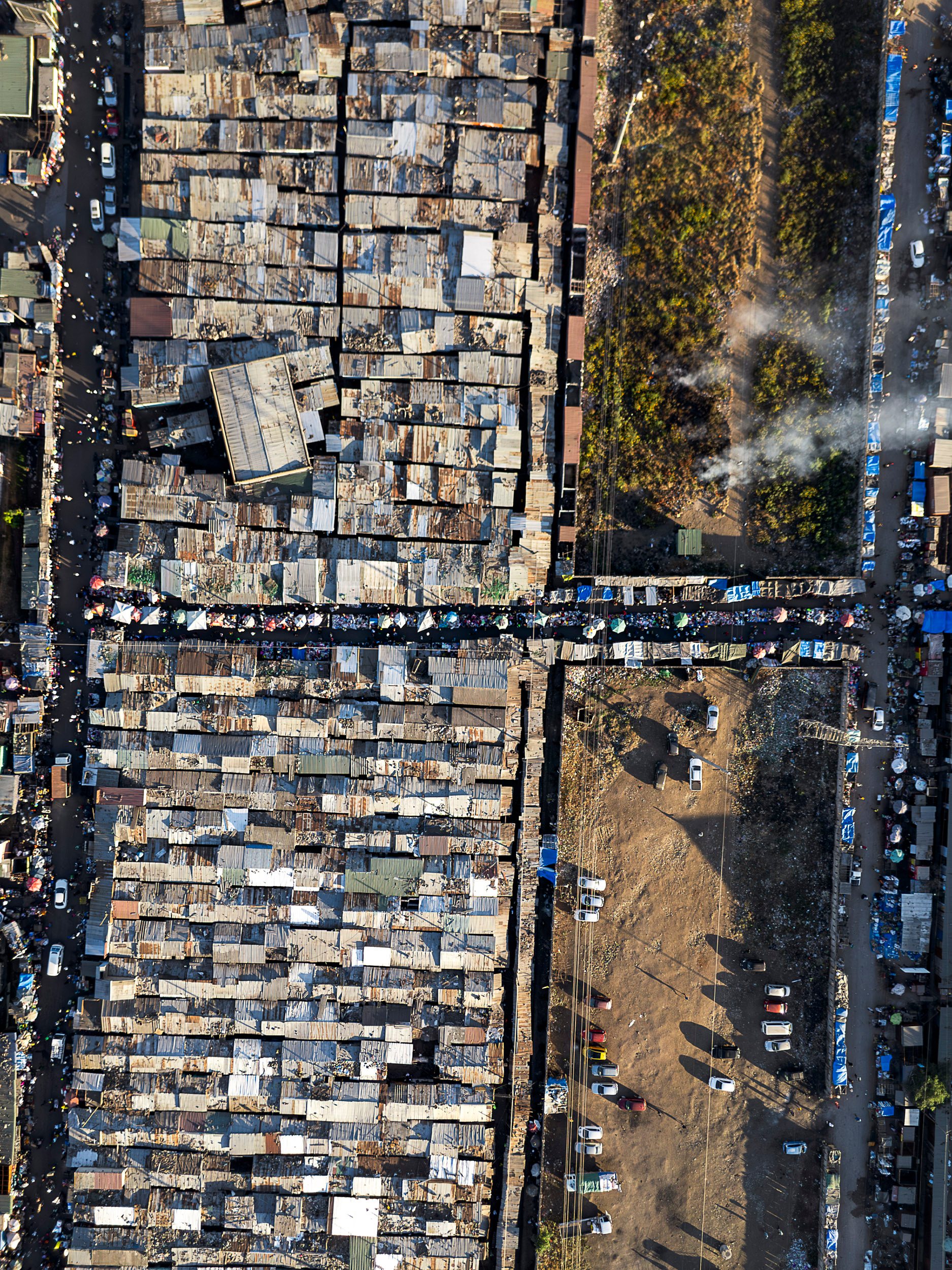
In markets like these in central Lusaka, thousands of traders pay a daily council levy plus a patchwork of unofficial fees collected by party cadres for the use of toilets, walkways, and the privilege of staying put.
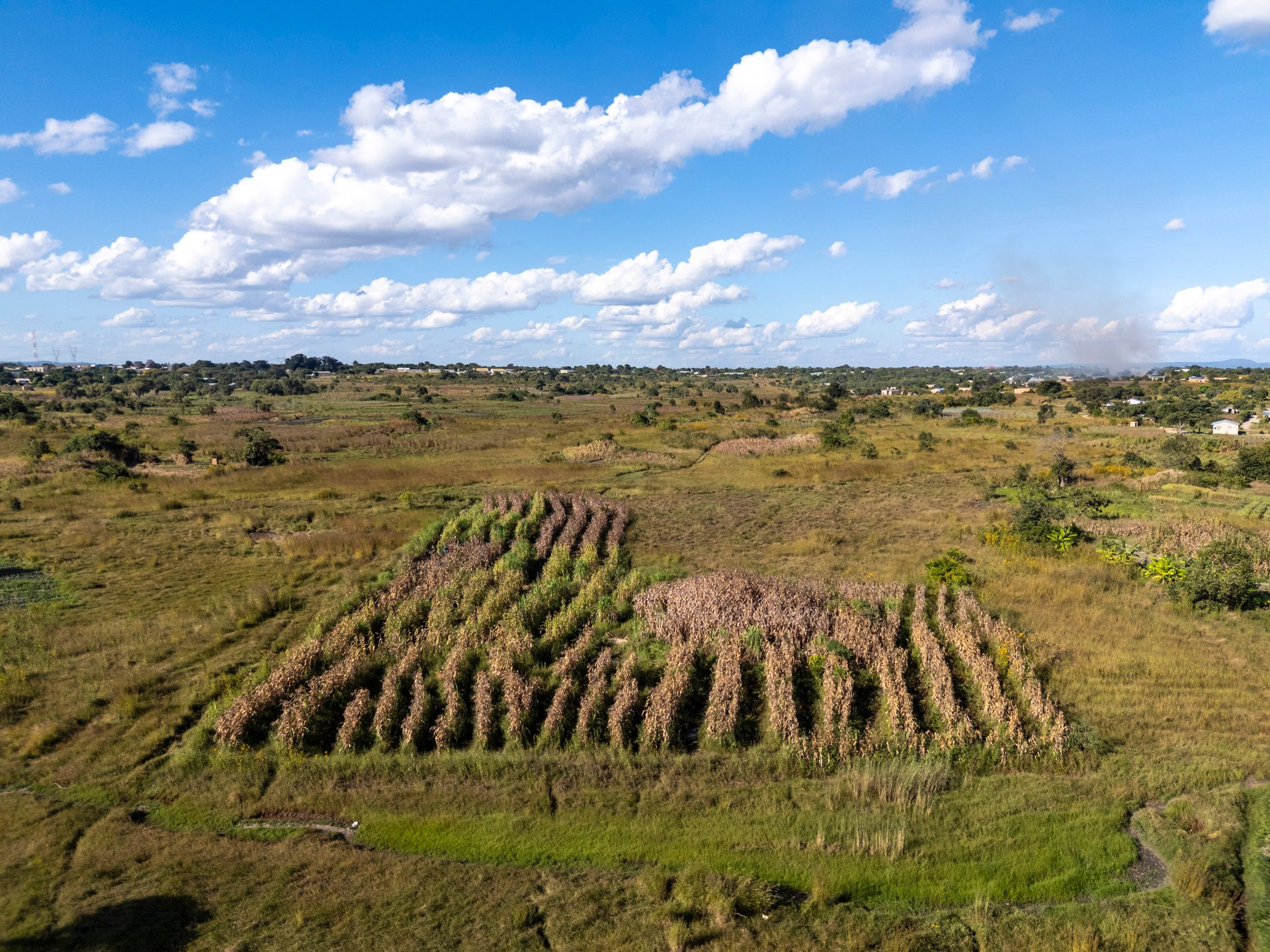
A smallholder's maize field in Mkushi. This is the kind of plot that, collectively, produces more than 90% of Zambia's staple crop, with no irrigation, no grid power, and almost no margin for a year when the rains don't come.
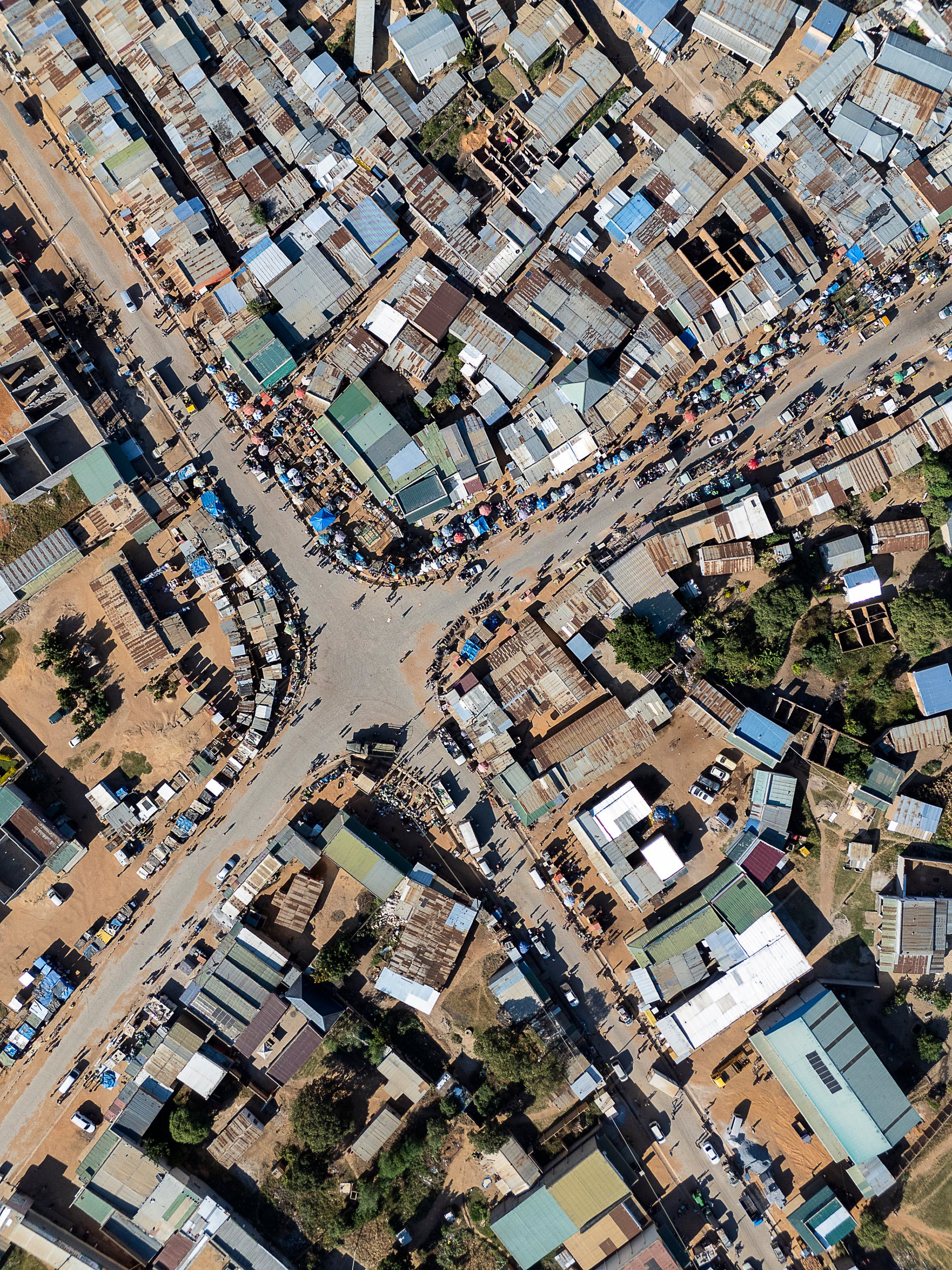
A busy crossroads in rural Zambia.
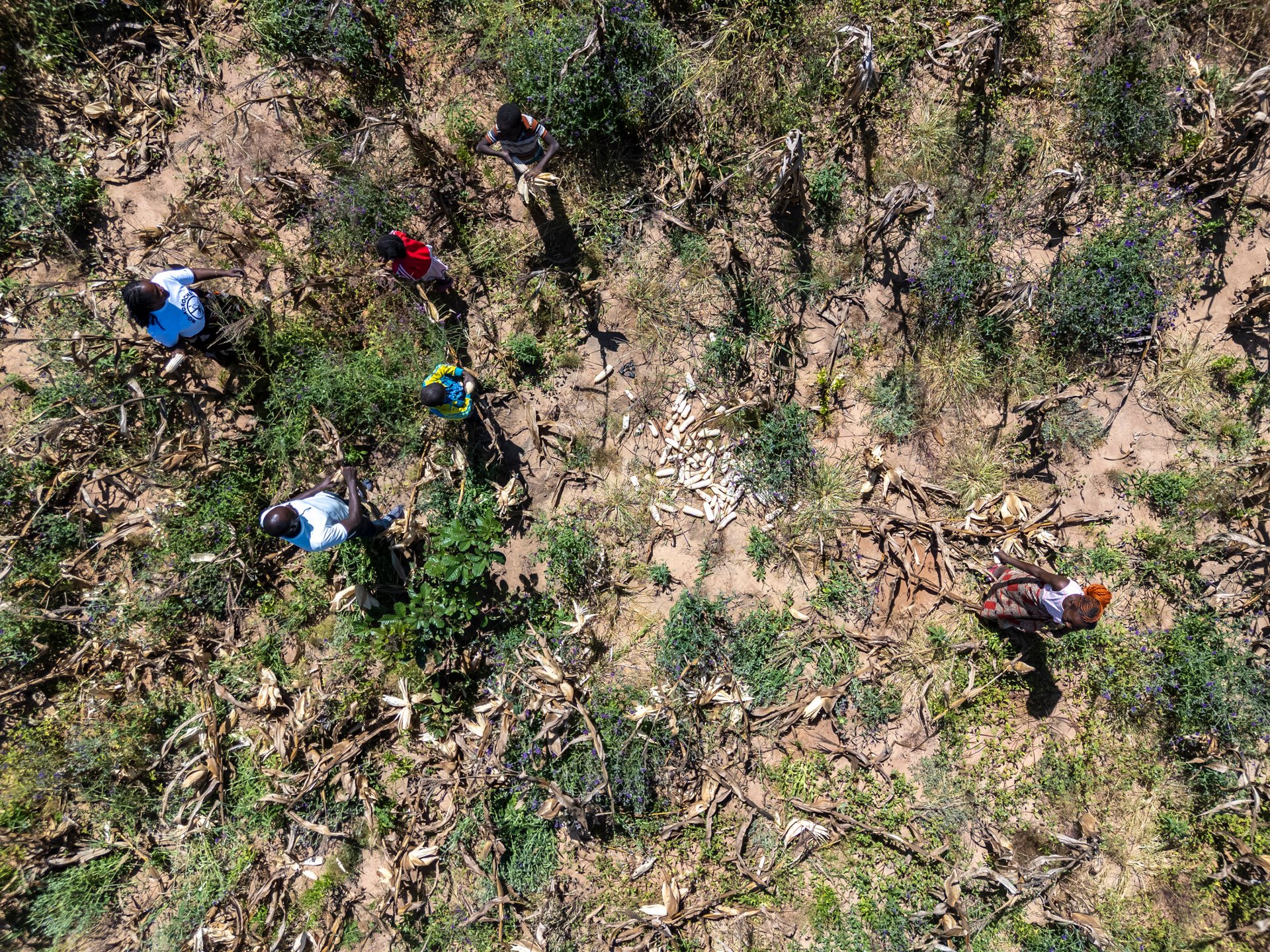
Shucking corn and tossing it into a pile on a smallholding in Mkushi, Zambia.
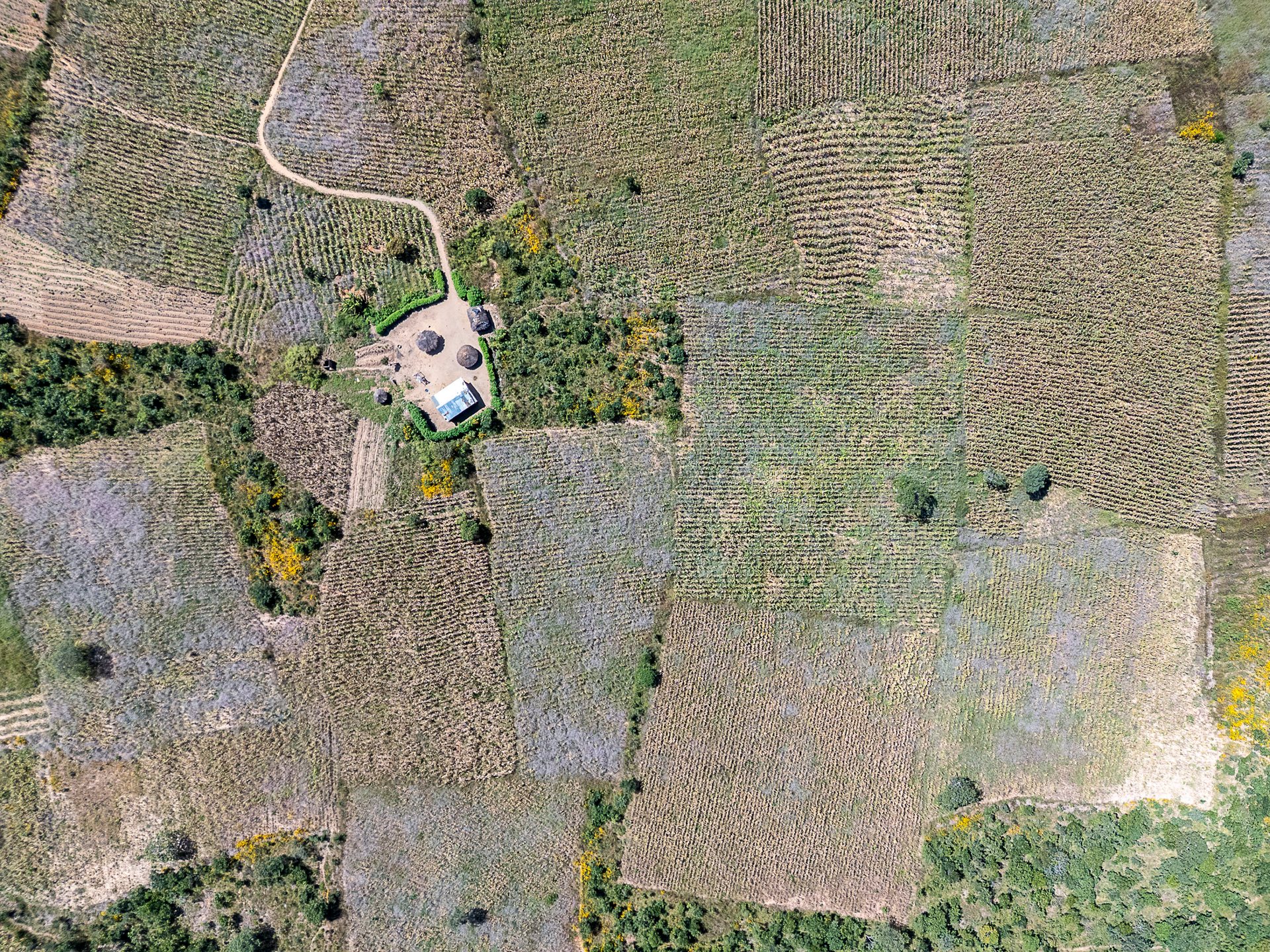
Small fields of maize, soybeans, and tomatoes around a single home — a working polyculture, the opposite of the monoculture maize and synthetic fertilizer Zambian policy has pushed for two decades. The alternative is being built by groups like the Young Emerging Farmers Initiative, which has regenerated some 10,000 hectares of degraded land through agroecology and indigenous seed.
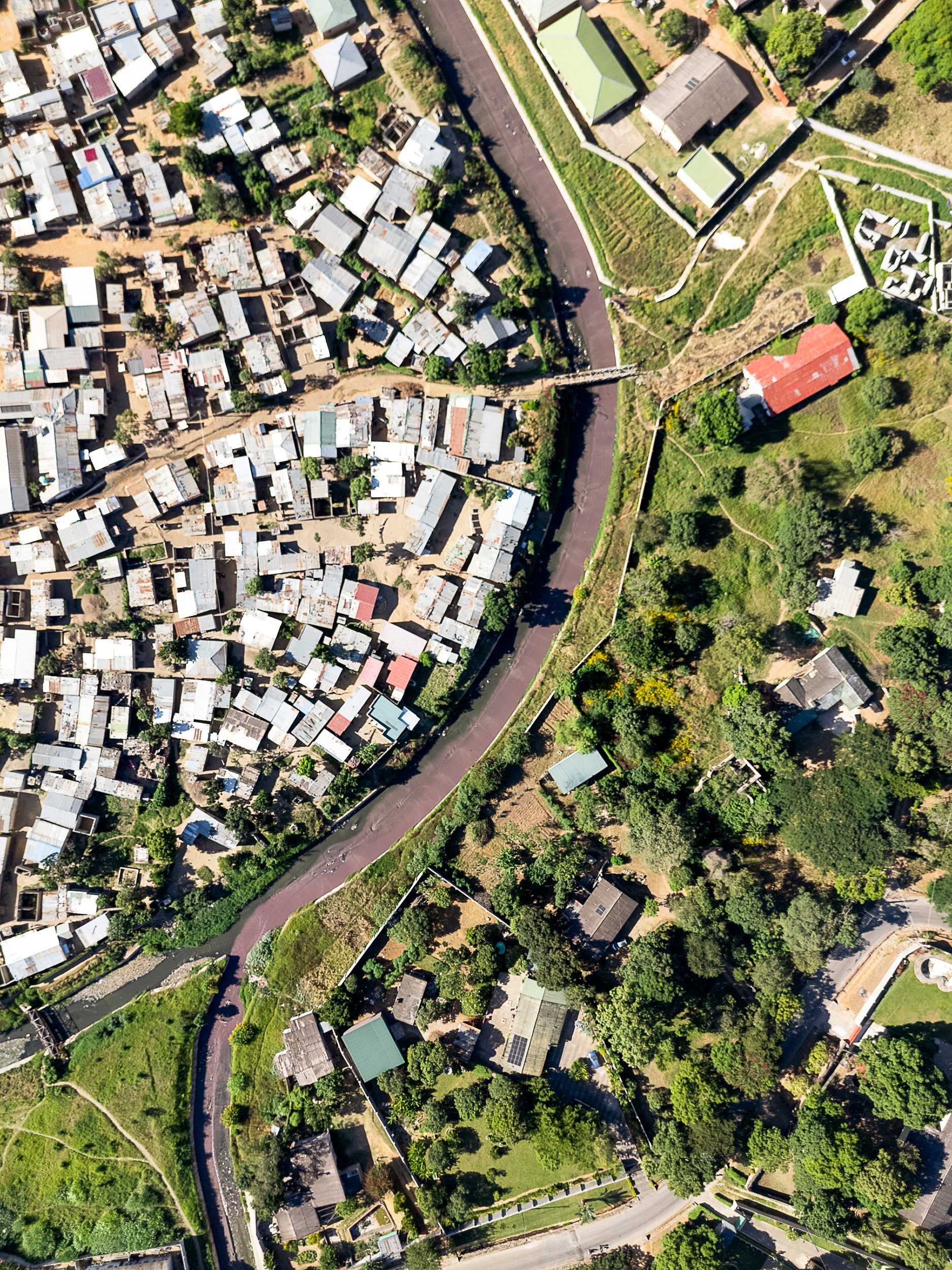
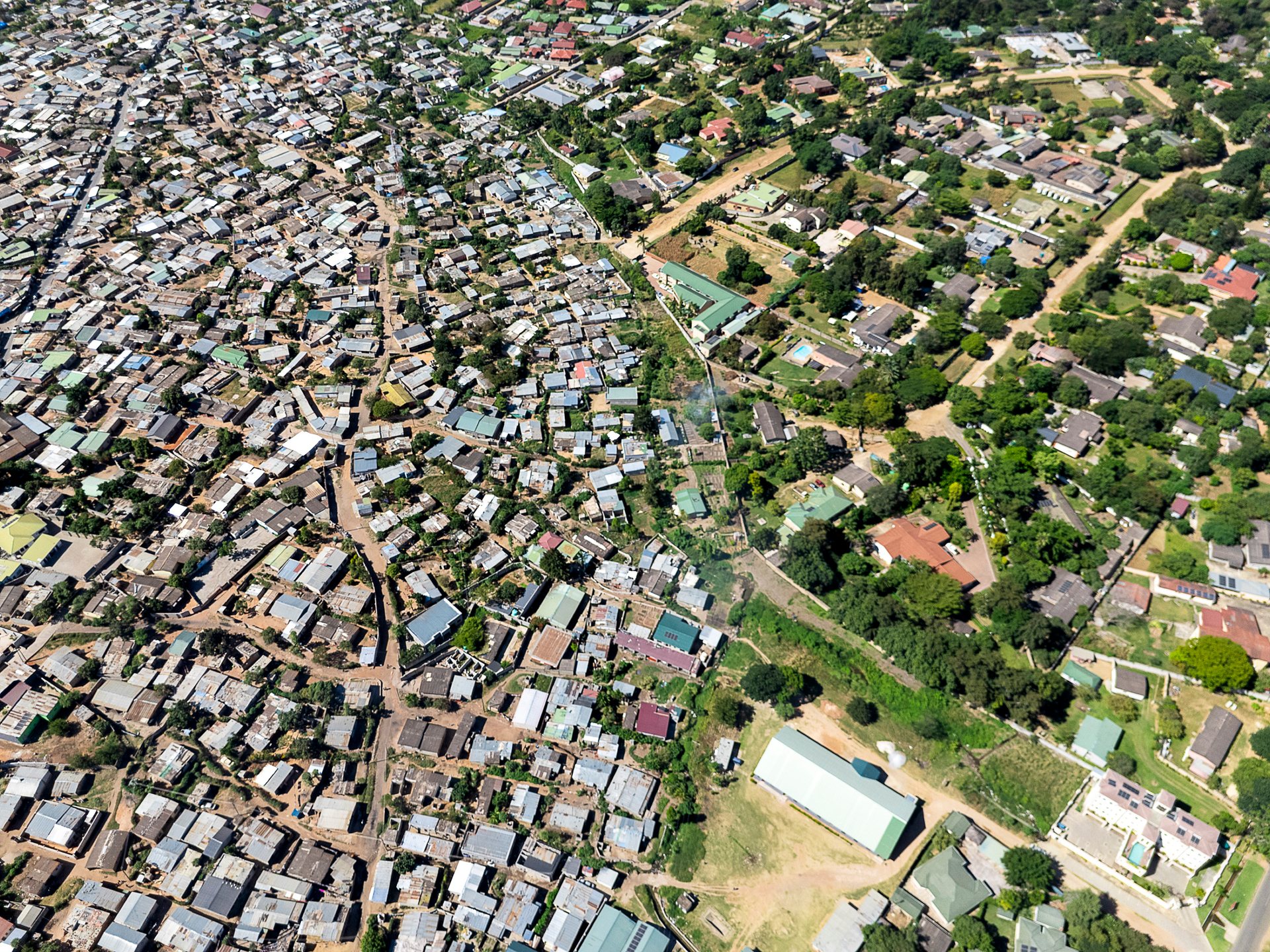
Roma and Chipata compound sit in the same northeastern slice of Lusaka — walled lots, lawns, pools, and gated complexes on one side; an informal settlement defined in the academic literature by its erratic water supply on the other.
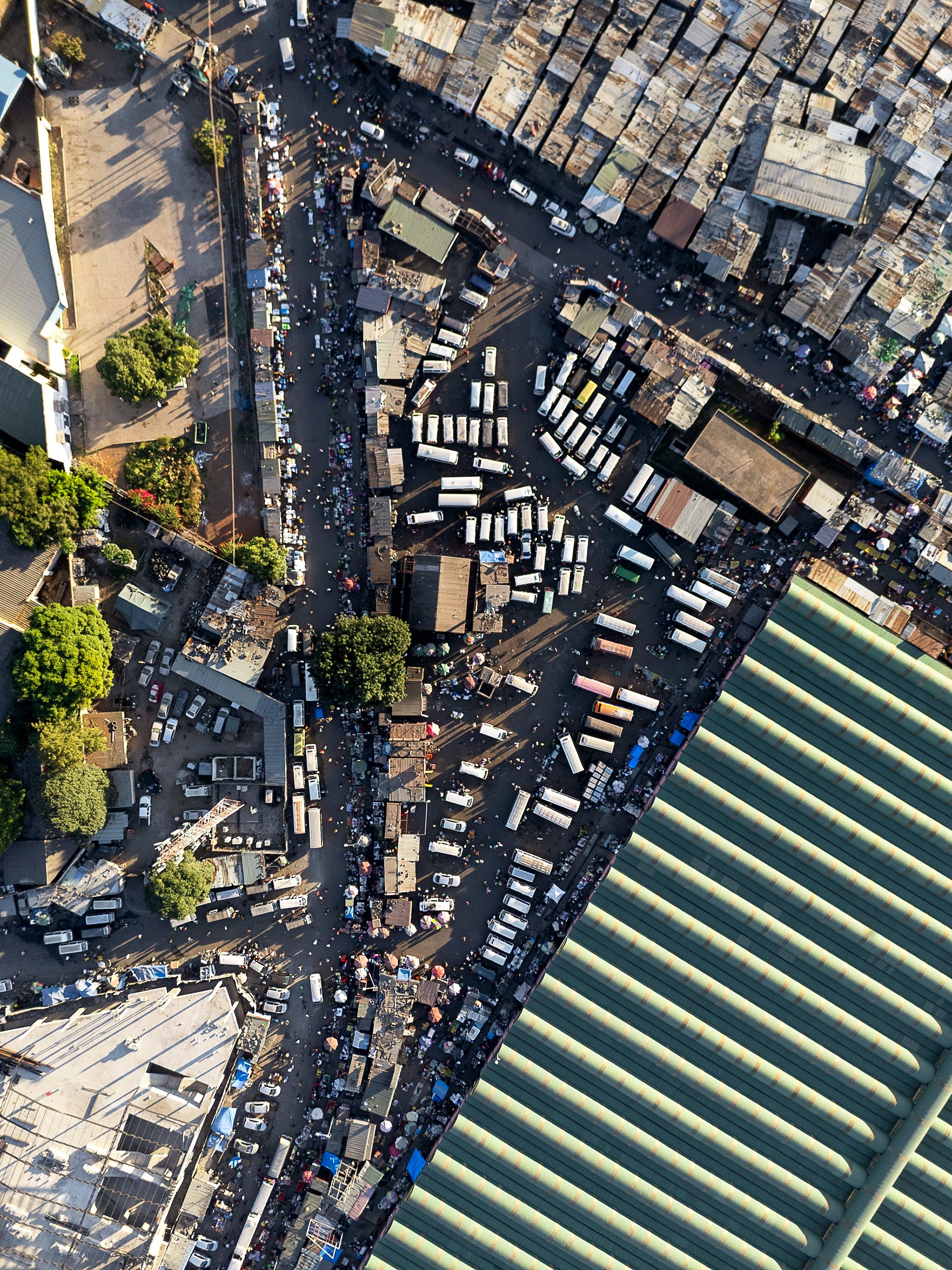
The City Market and bus stop in central Lusaka.
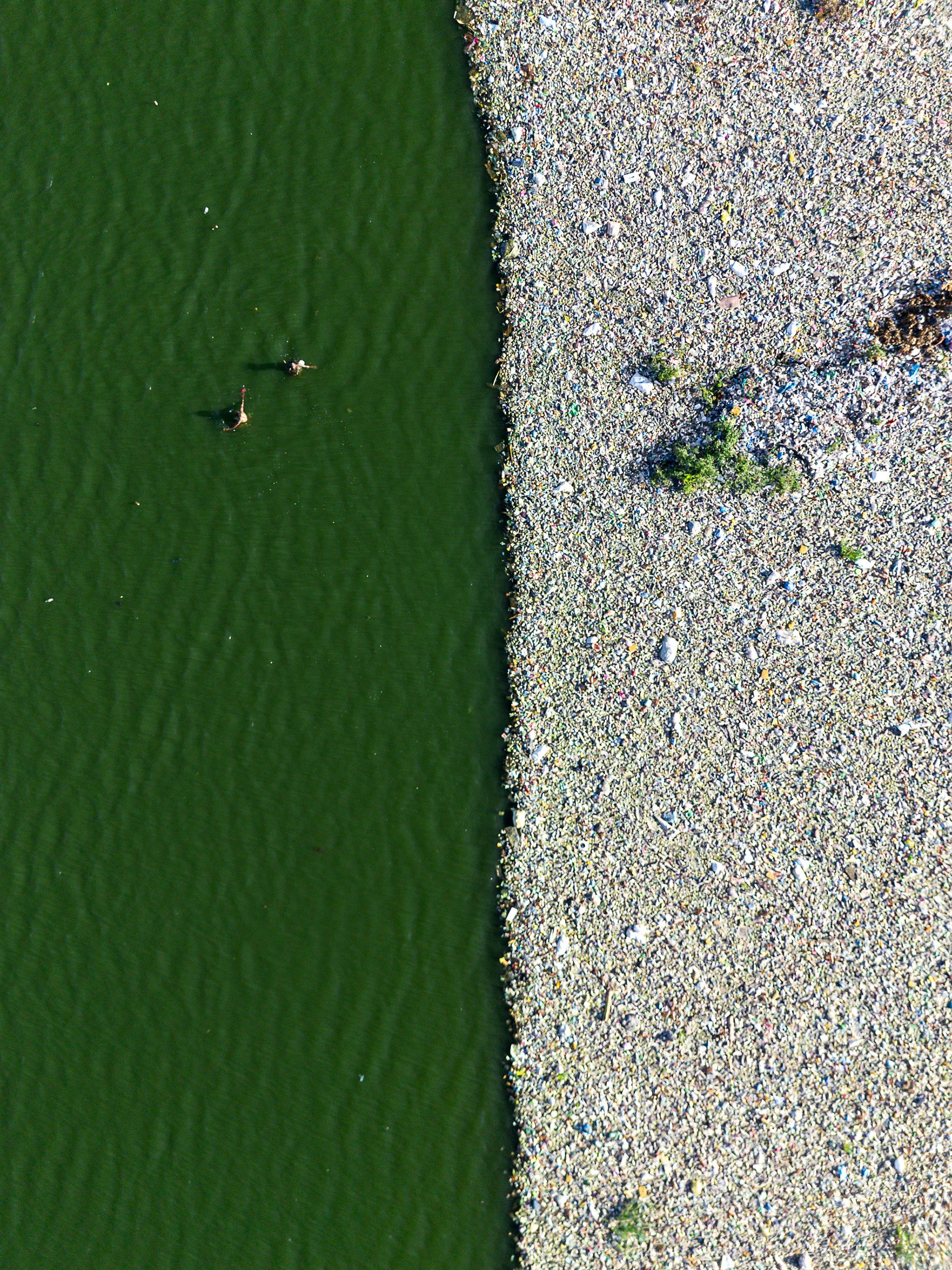
Two men adjust their fishing net next to a huge floating garbage patch, in Msisi, central Lusaka.
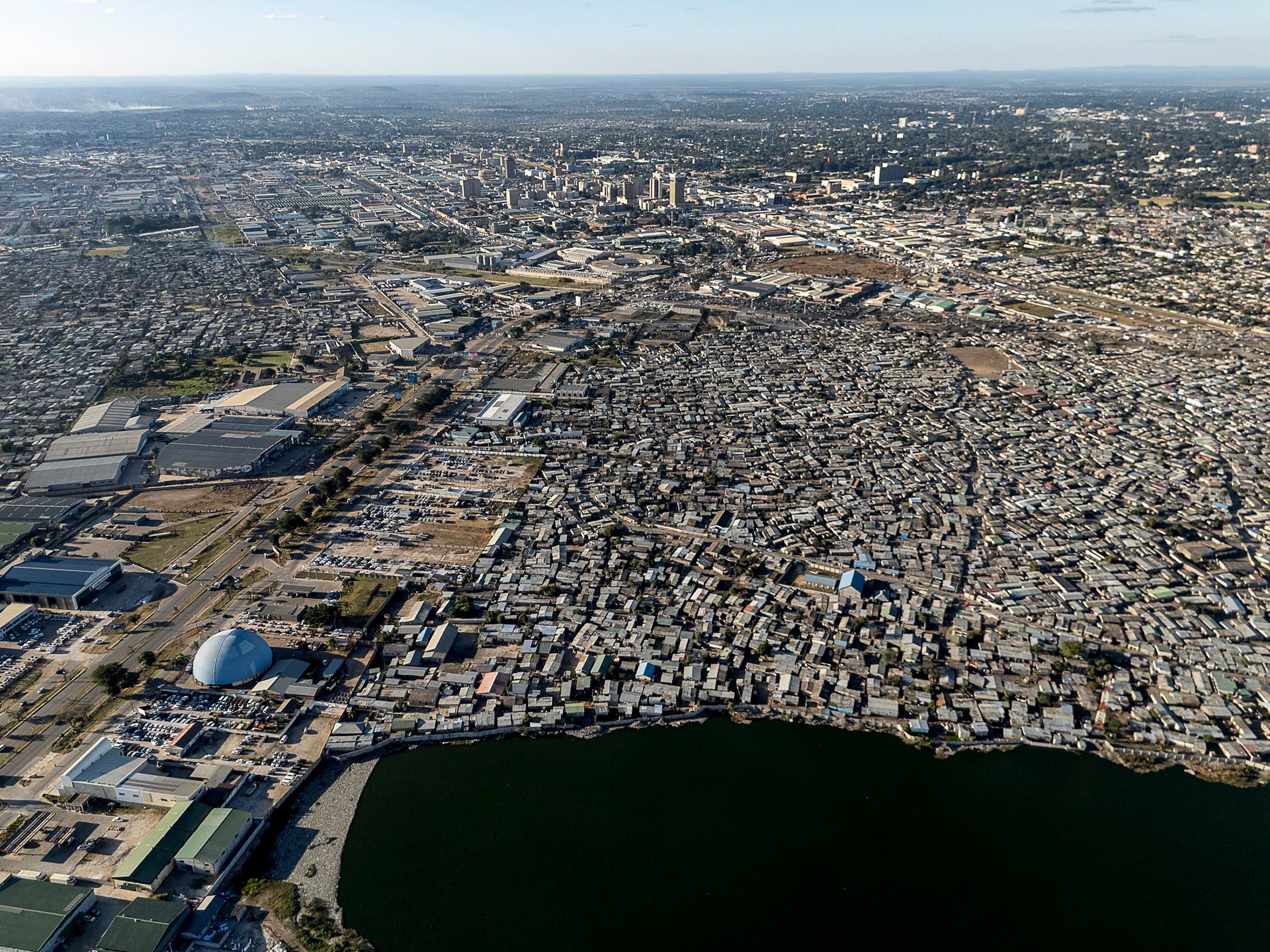
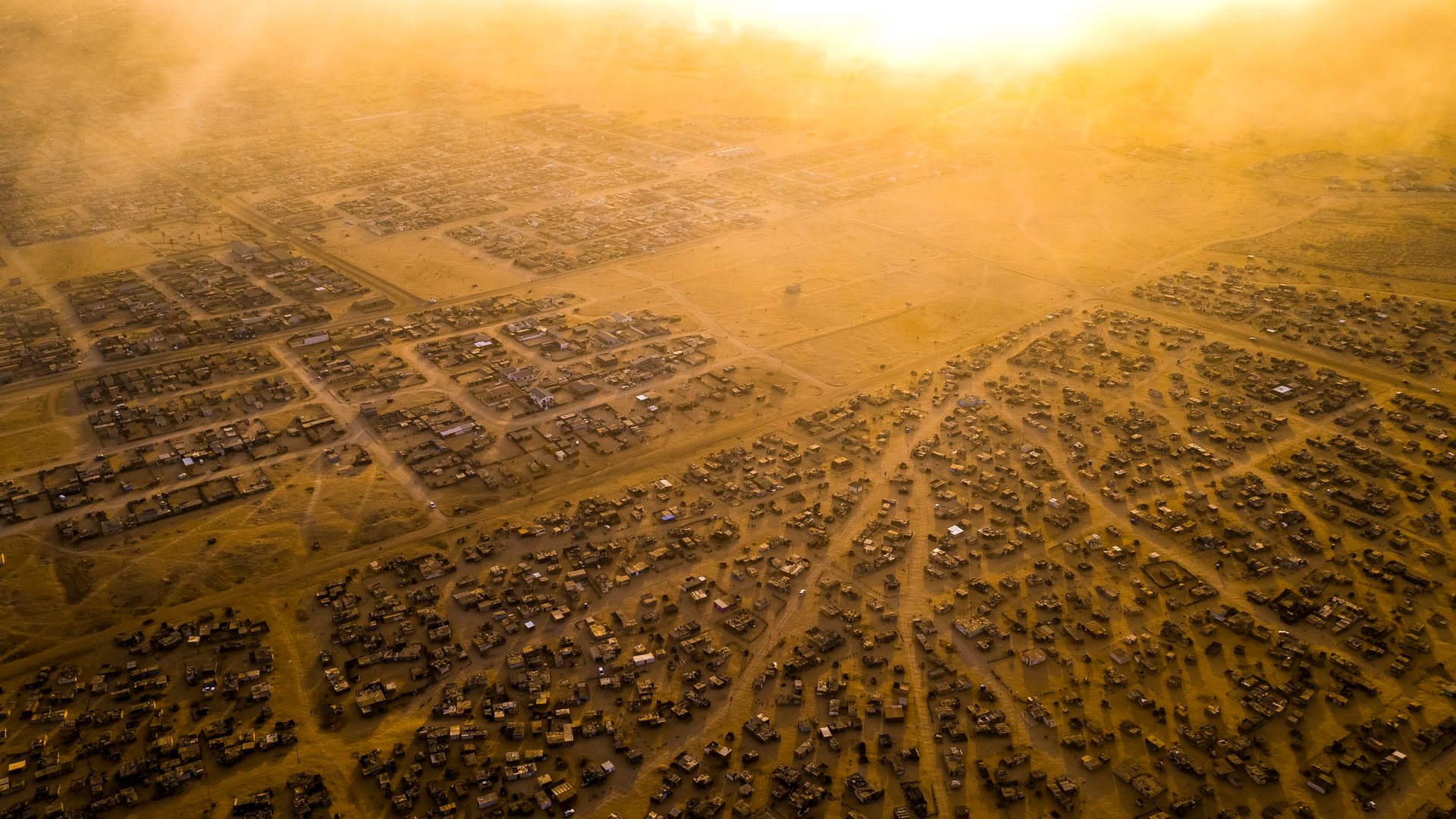
Downtown Lusaka as seen from above Msisi, the giant compound in the city's south.