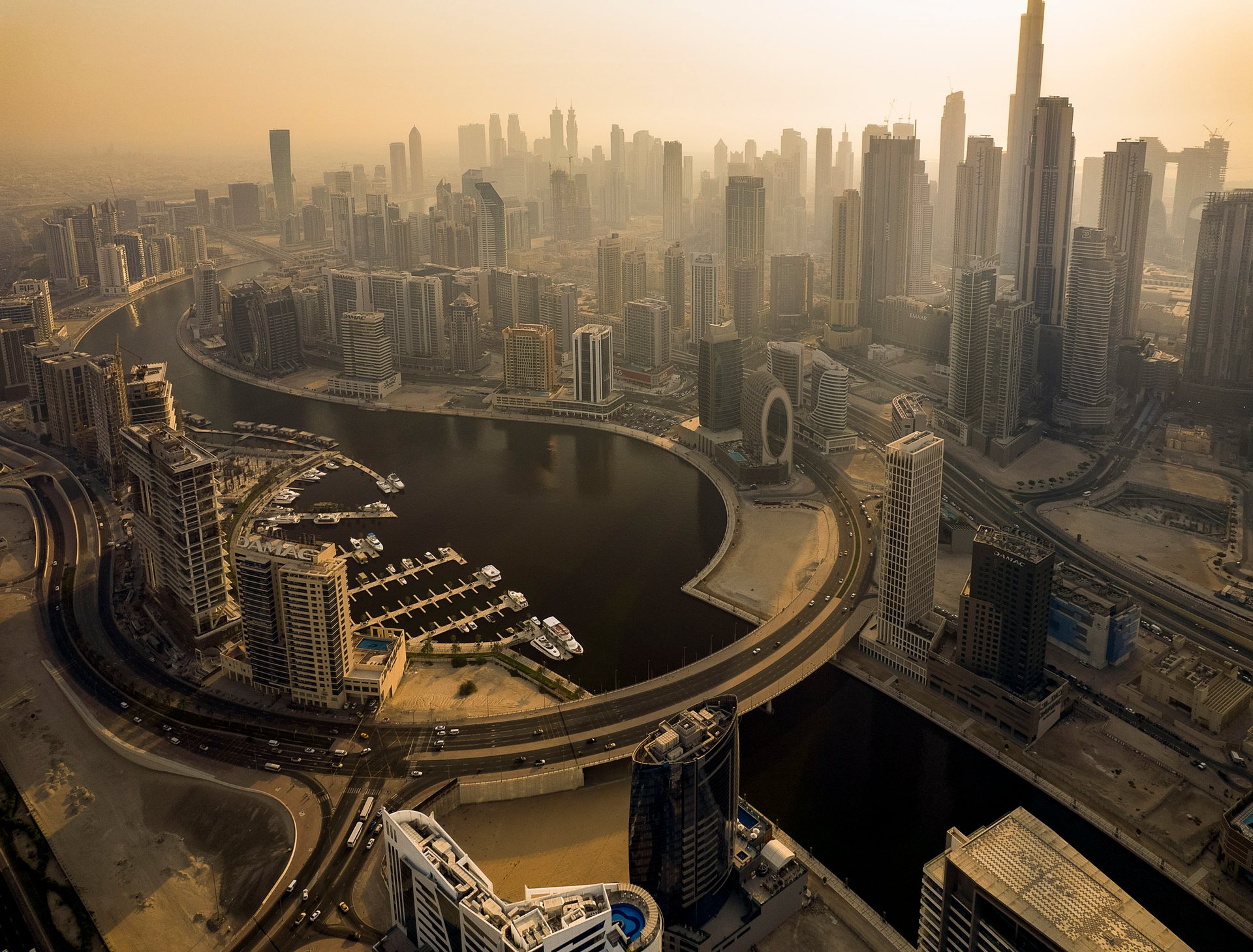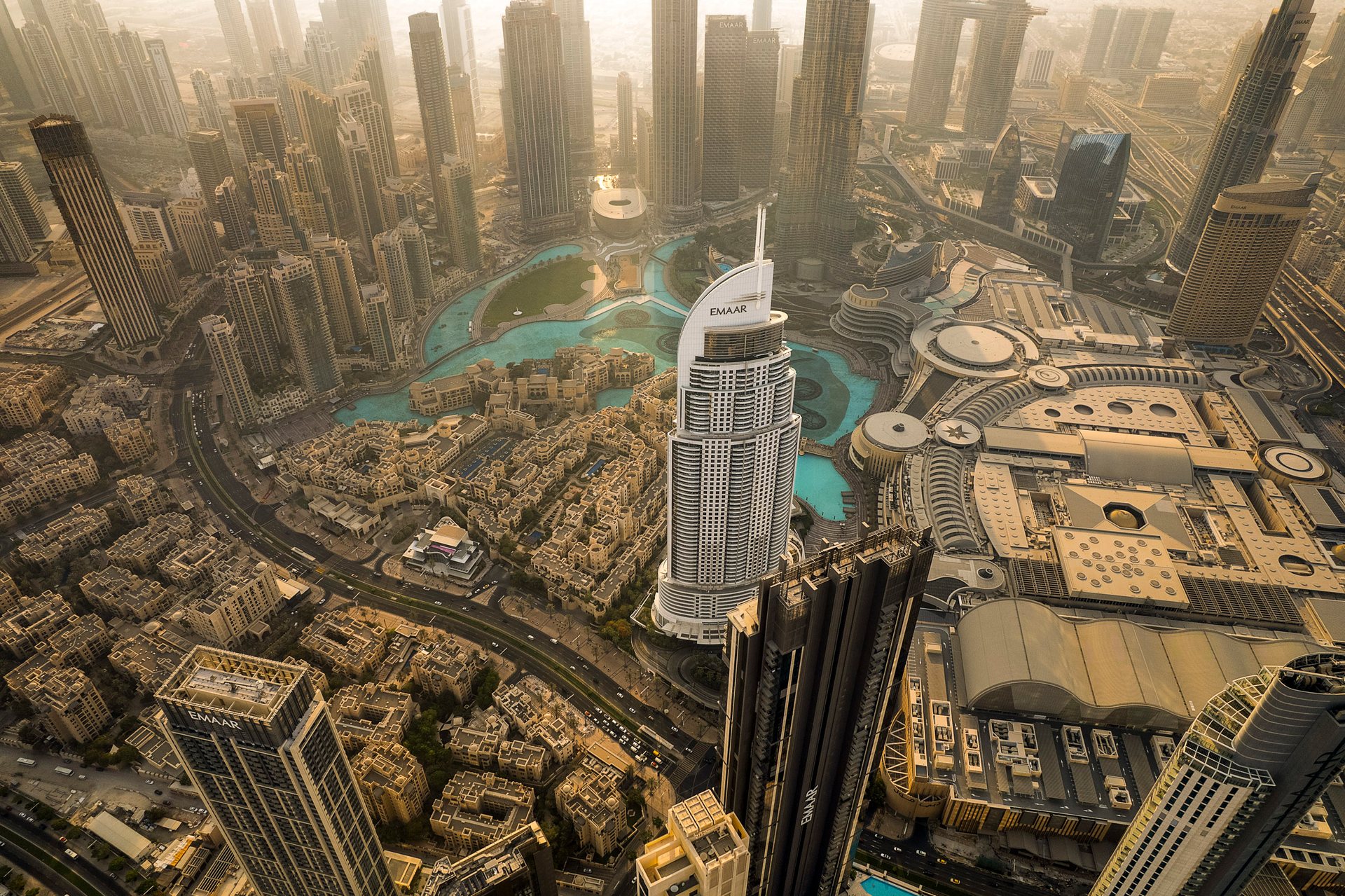
Buildings tower over the centre of Dubai: the Burj Khalifa, the vast Dubai Mall, and an artificial lake with the world's largest fountain. Nearly all of it, tower, mall and district, was built by one developer, Emaar, and by migrant hands. At the peak of construction, some twelve thousand workers laboured on the tower alone.
From the air, Dubai reads as a single triumphant gesture: the world's tallest tower, islands shaped like palms, a skyline conjured out of desert in a single generation. It is one of the most photographed cities on earth, and almost none of those photographs include the people who built it.
They are not hard to find. The UAE holds the highest proportion of international migrants of any country in the world: migrant workers make up roughly 88 percent of the population, around 8.7 million people out of some 10 million. The gleaming country, in other words, is a place where the overwhelming majority can never belong. Citizenship is, for nearly all of them, unattainable no matter how long they stay, and with it go the welfare, housing, subsidised healthcare and political voice reserved for the Emirati minority. Migration scholars have a clinical name for this arrangement: "differential exclusion." You may have full access to the labour market and none at all to the society it sustains.
The mechanism is the kafala, or sponsorship, system, which ties a worker's legal status directly to a single employer. Human Rights Watch has documented for years how this hands employers extraordinary power: to confiscate passports, to withhold wages, to brand a worker who walks away as an "absconder" facing detention and deportation. Recruitment fees charged back home leave many arriving already in debt, a debt repaid through the very wages they crossed an ocean to earn.

Glass towers rise beside the Dubai Mall, one of the world's largest.
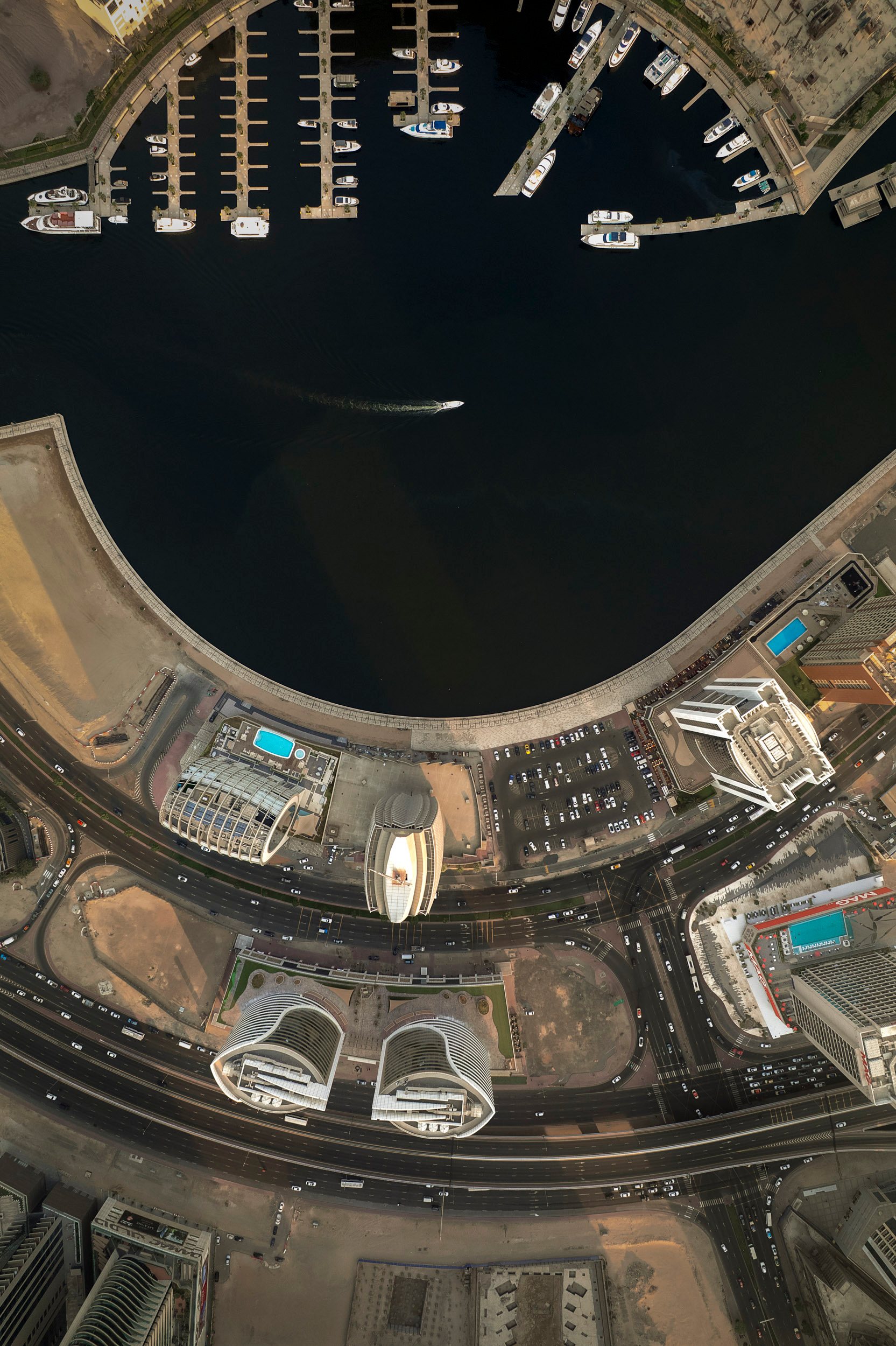
Towers line the Dubai Water Canal, a man-made channel cut through the city in 2016, as a boat slips past the glass and the waterfront promenades.
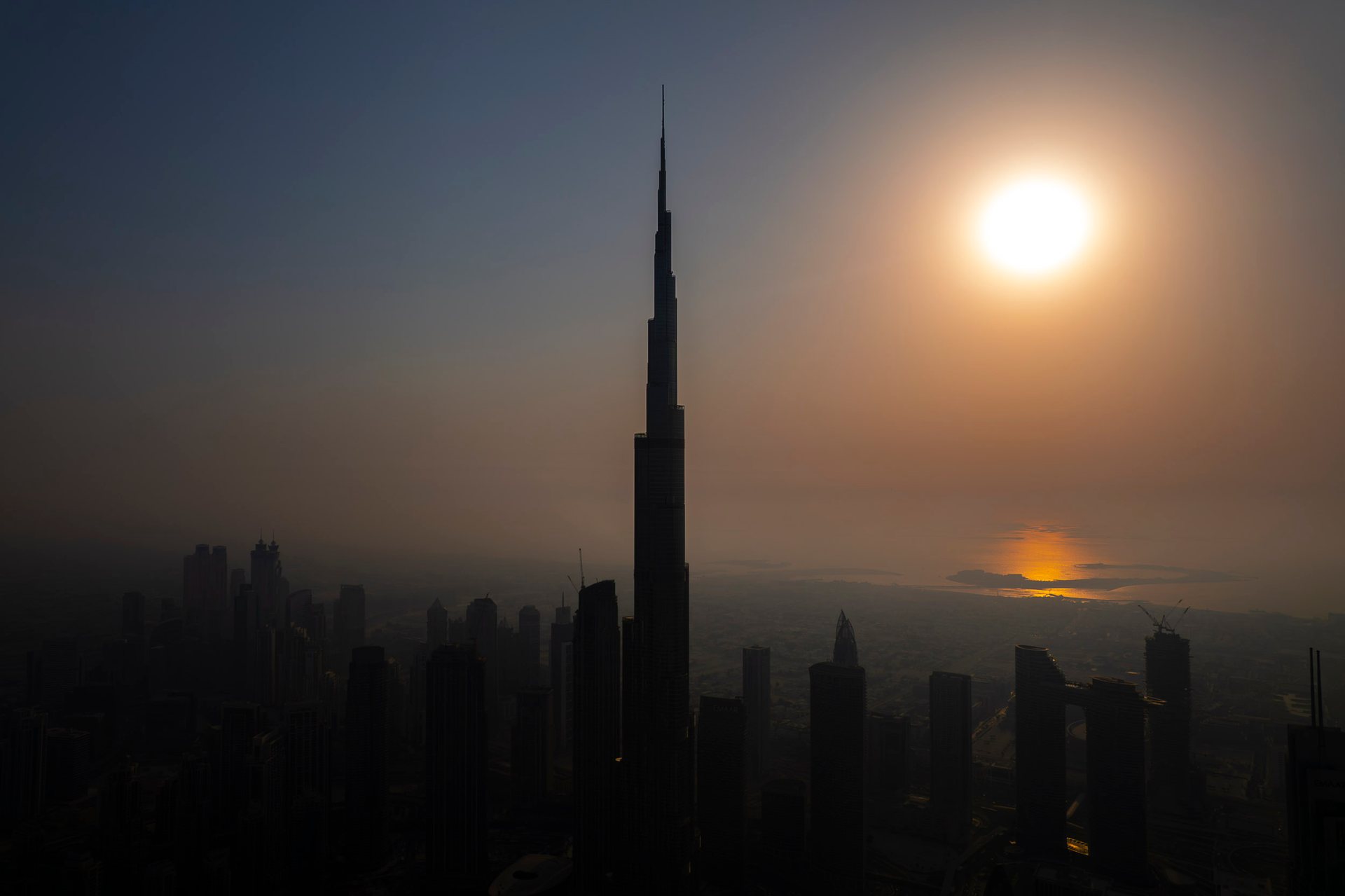
Dubai barely runs on oil anymore, and unlike Abu Dhabi it never had much. Its future rests instead on being a hub: for trade, tourism, finance, and above all the wealth of others, capital seeking a tax-free, no-questions haven.
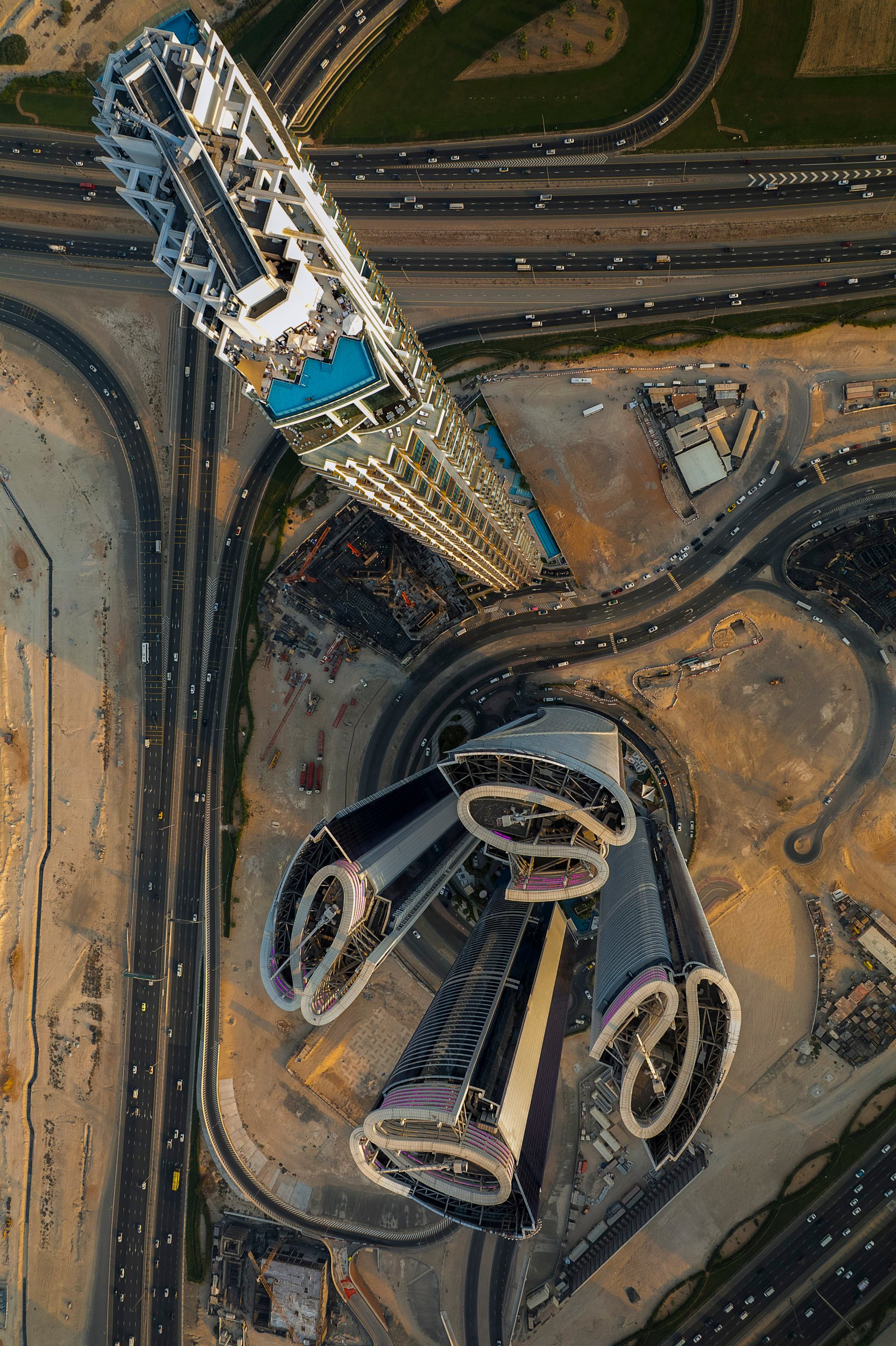
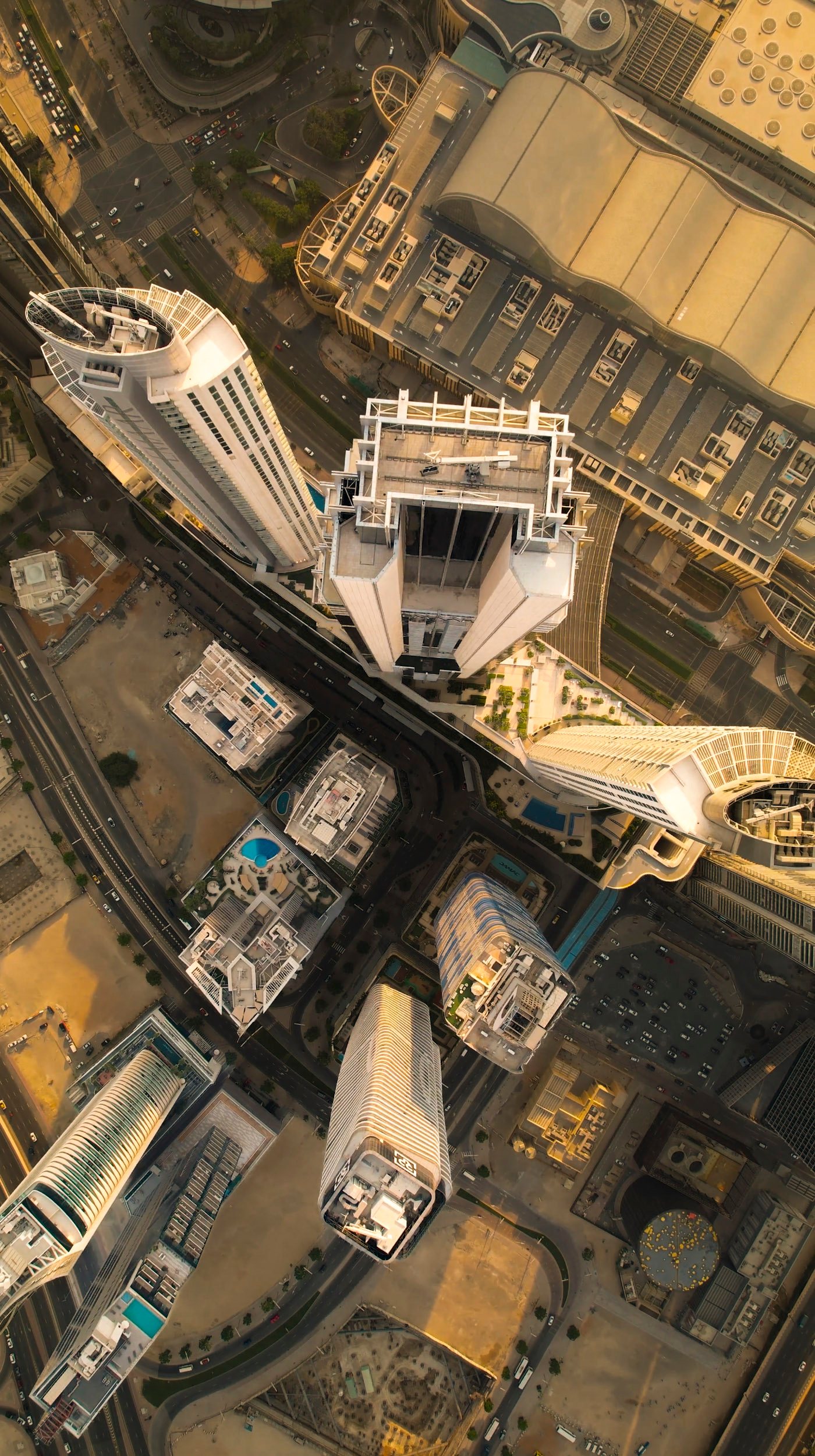
The SLS and Paramount towers rise in Business Bay, just south of Downtown, among the five-star hotels and branded residences crowding this stretch of Dubai. Apartments here carry global luxury labels and are sold to international investors as much as residents.
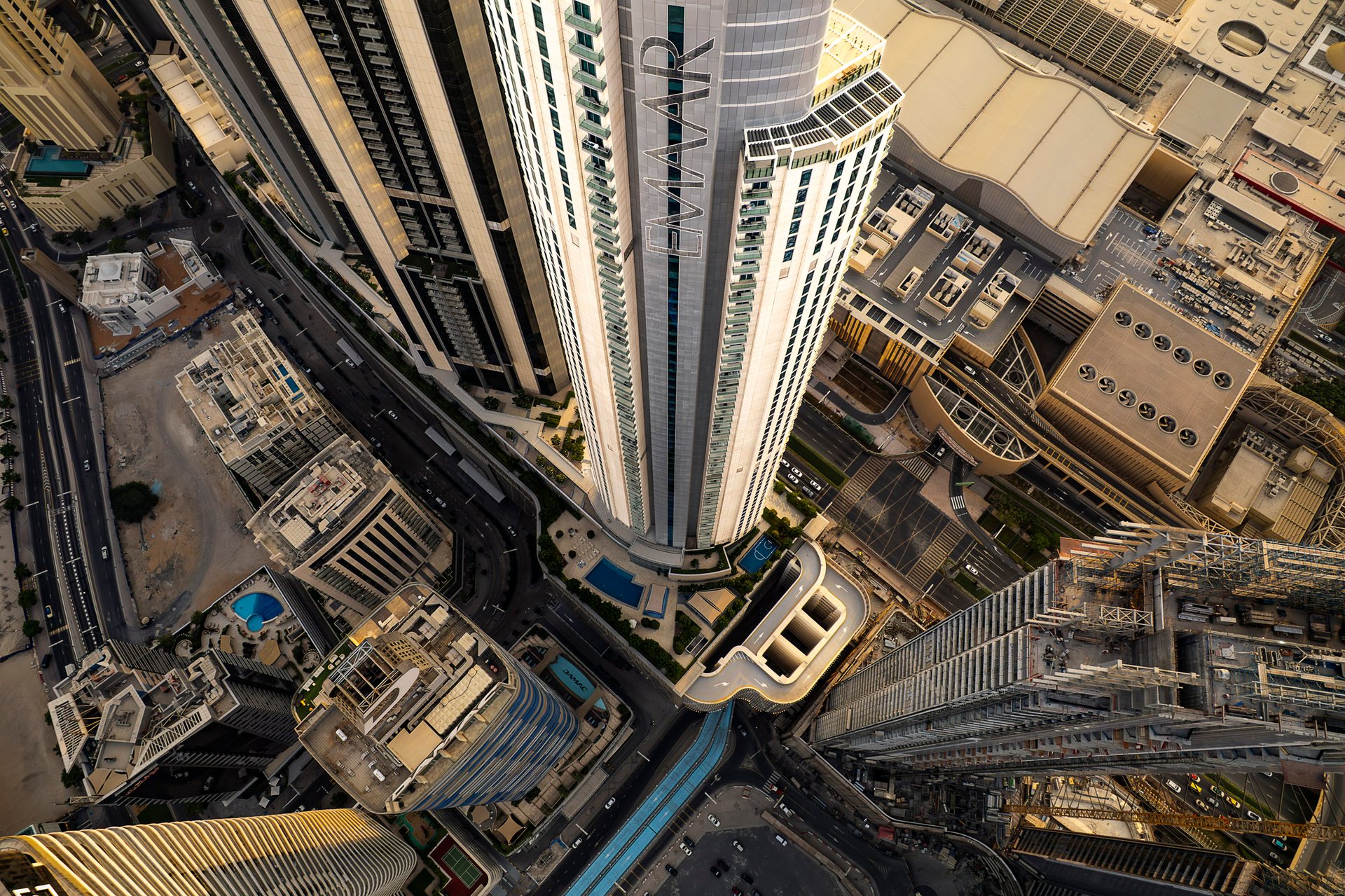
Emaar Properties, founded in 1997 and part-owned by the Dubai government, has built much of the city's signature spectacle.
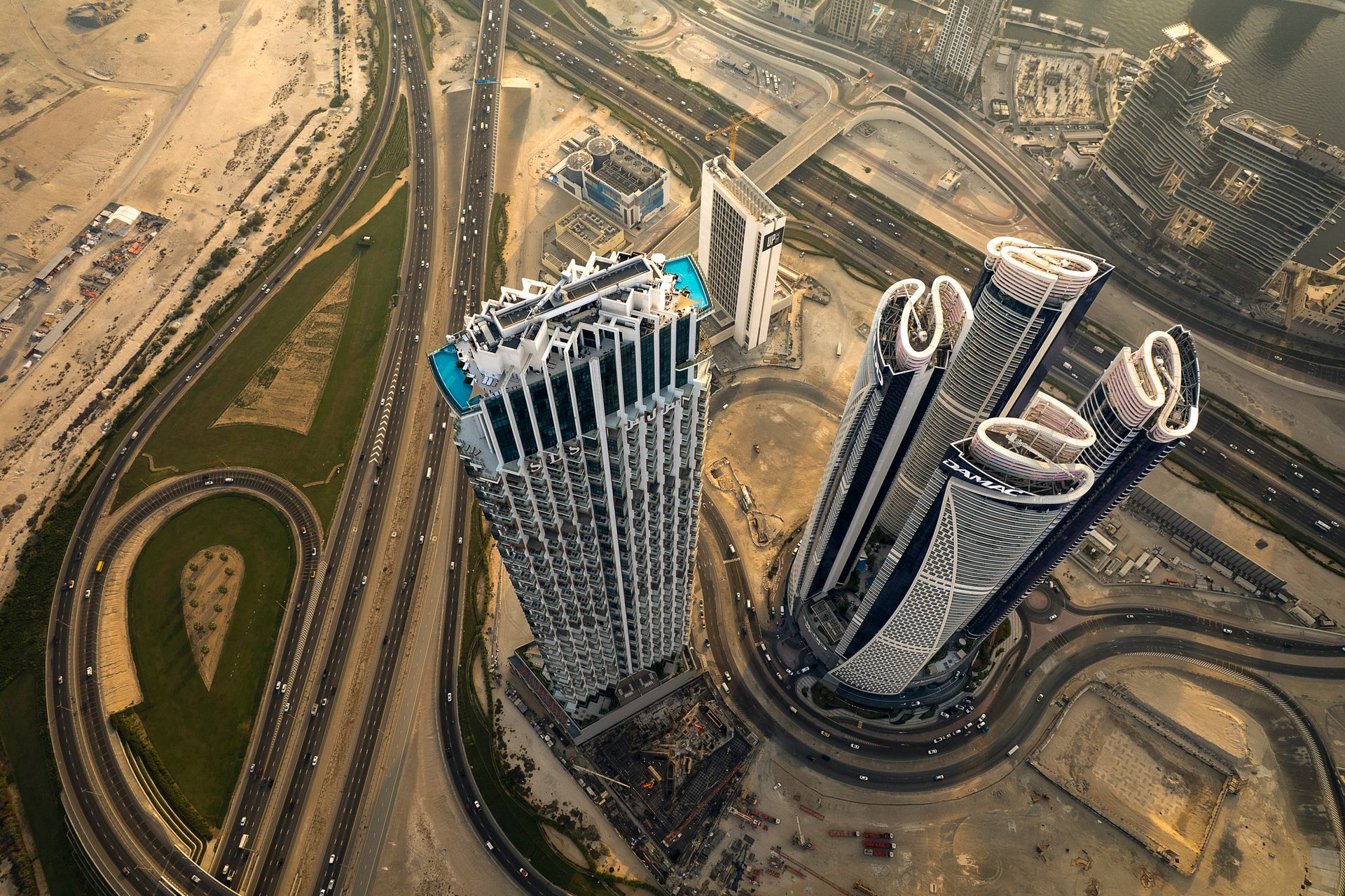
In a single generation, the desert became glass and asphalt. Dubai's built-up area grew from 54 square kilometres in 1975 to 977 by 2015, a 1,700 percent expansion, into a city of 3.6 million

None of this fell from the sky. The UAE was stitched together in 1971, a federation of seven small emirates that until then had lived on pearling, fishing and trade along a hard coast. Oil, discovered in Abu Dhabi a decade earlier, changed everything. It bought roads, hospitals, schools and, eventually, the skyline. To their credit, the rulers understood the oil would not last. Abu Dhabi, which holds the great bulk of the reserves, poured the proceeds into sovereign wealth, while Dubai, with comparatively little crude, reinvented itself as a hub for commerce, logistics, tourism and finance. The bet has largely paid: non-oil activity now makes up around three-quarters of the national economy, and the state talks openly of a post-oil future.
But the harder question is not whether the UAE can diversify its income. It is whether it can diversify its idea of who belongs. A model that runs on a permanent, rotating, rightless majority is being asked to carry the country into a century of climate stress, automation and regional rivalry.

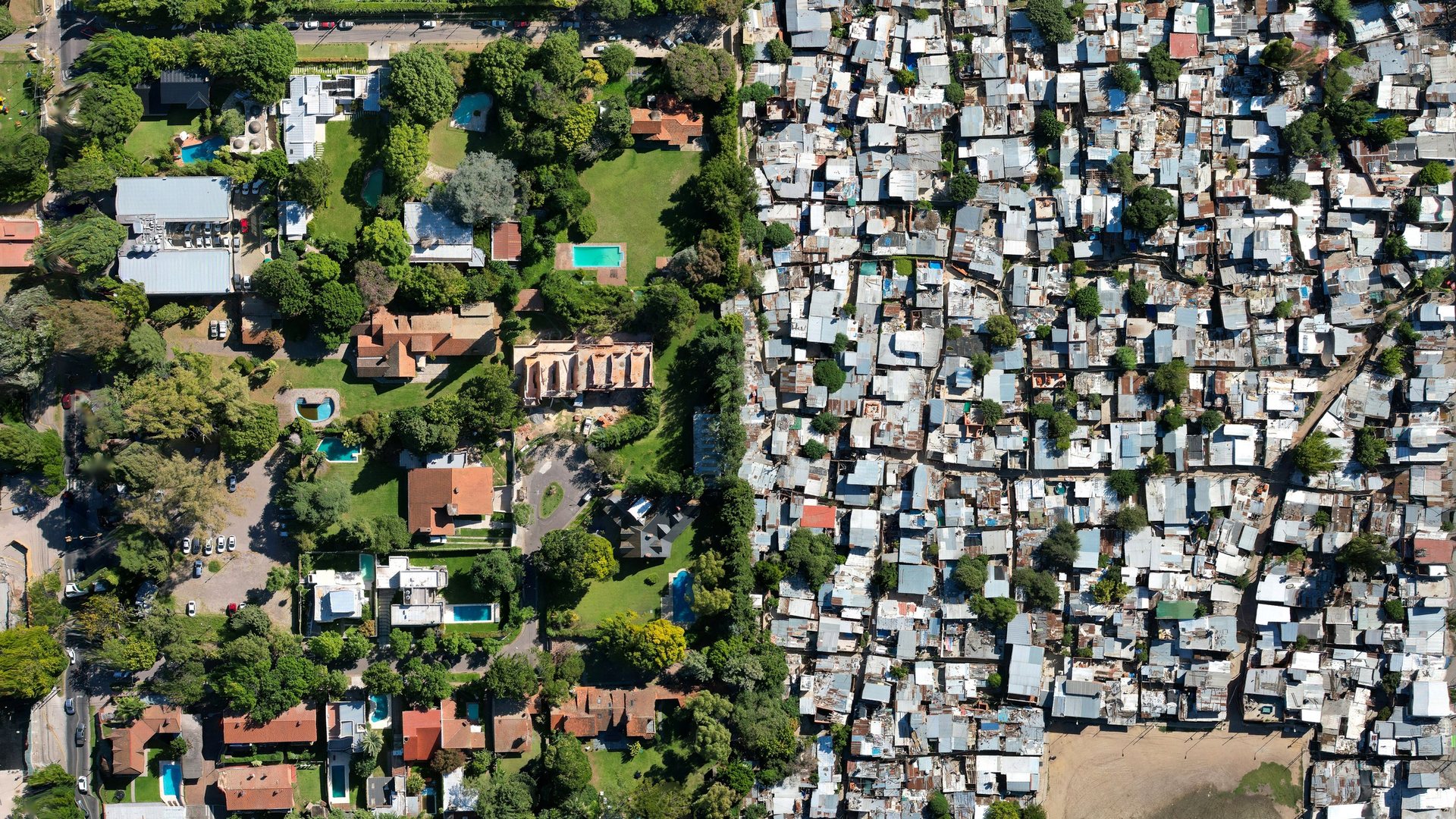
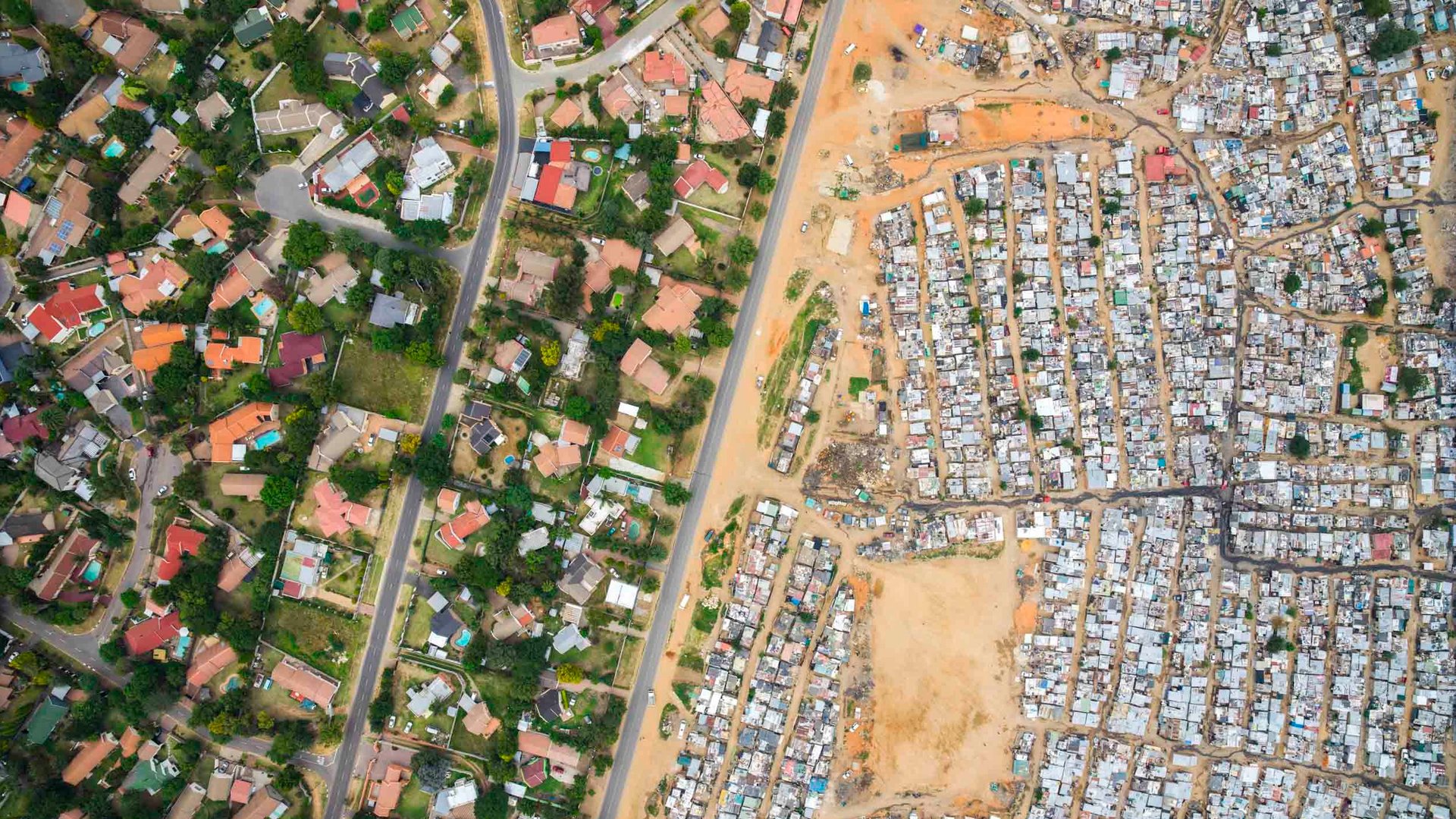
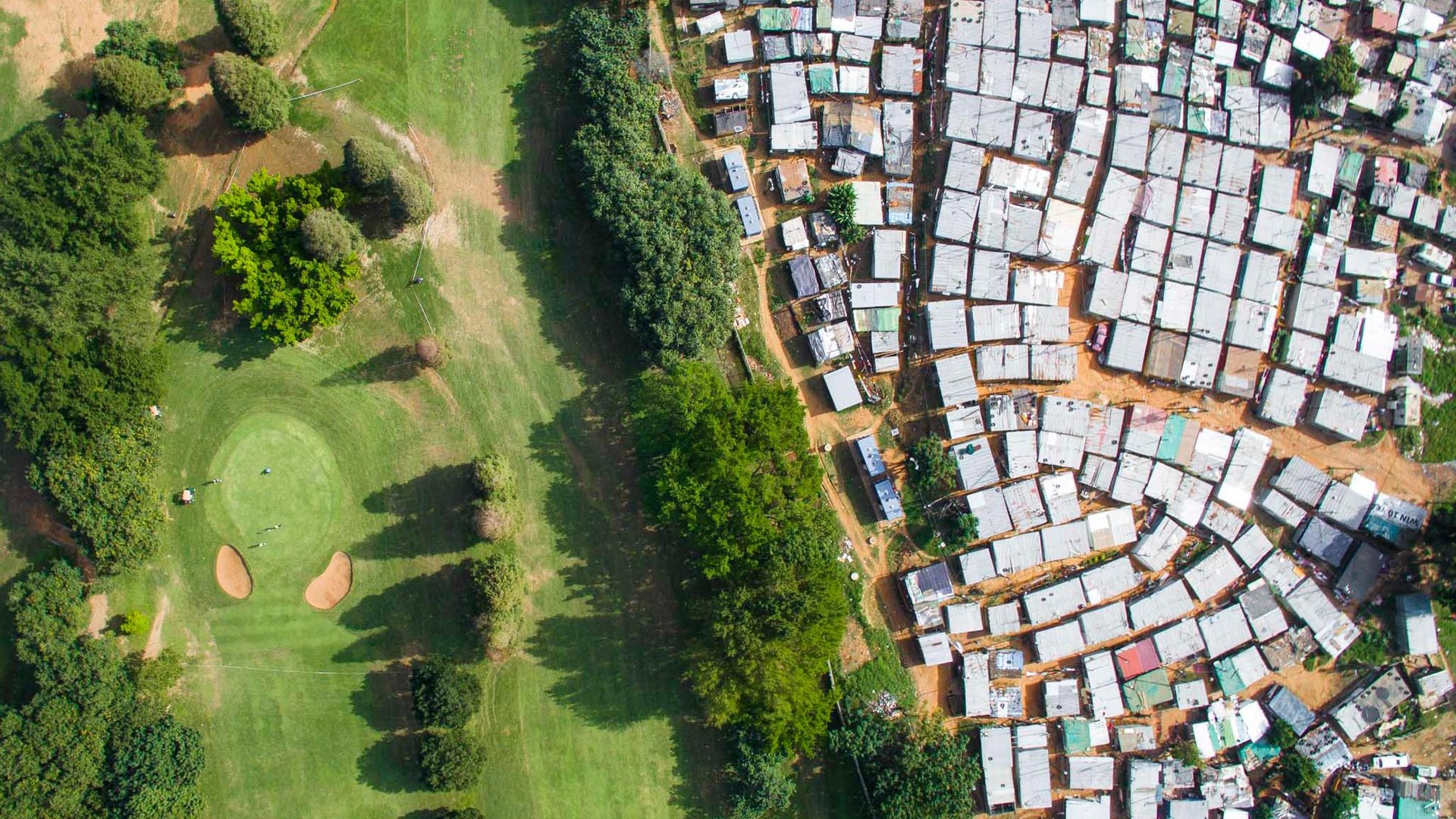
Hard inequality figures for the UAE are scarce, and that is part of the point. A country where some 88 percent of residents are non-citizens, barred from citizenship no matter how long they stay, does not publish the household data that would let the world measure the gap between the few who belong and the many who serve.
You may also like

Back to Top