New York City
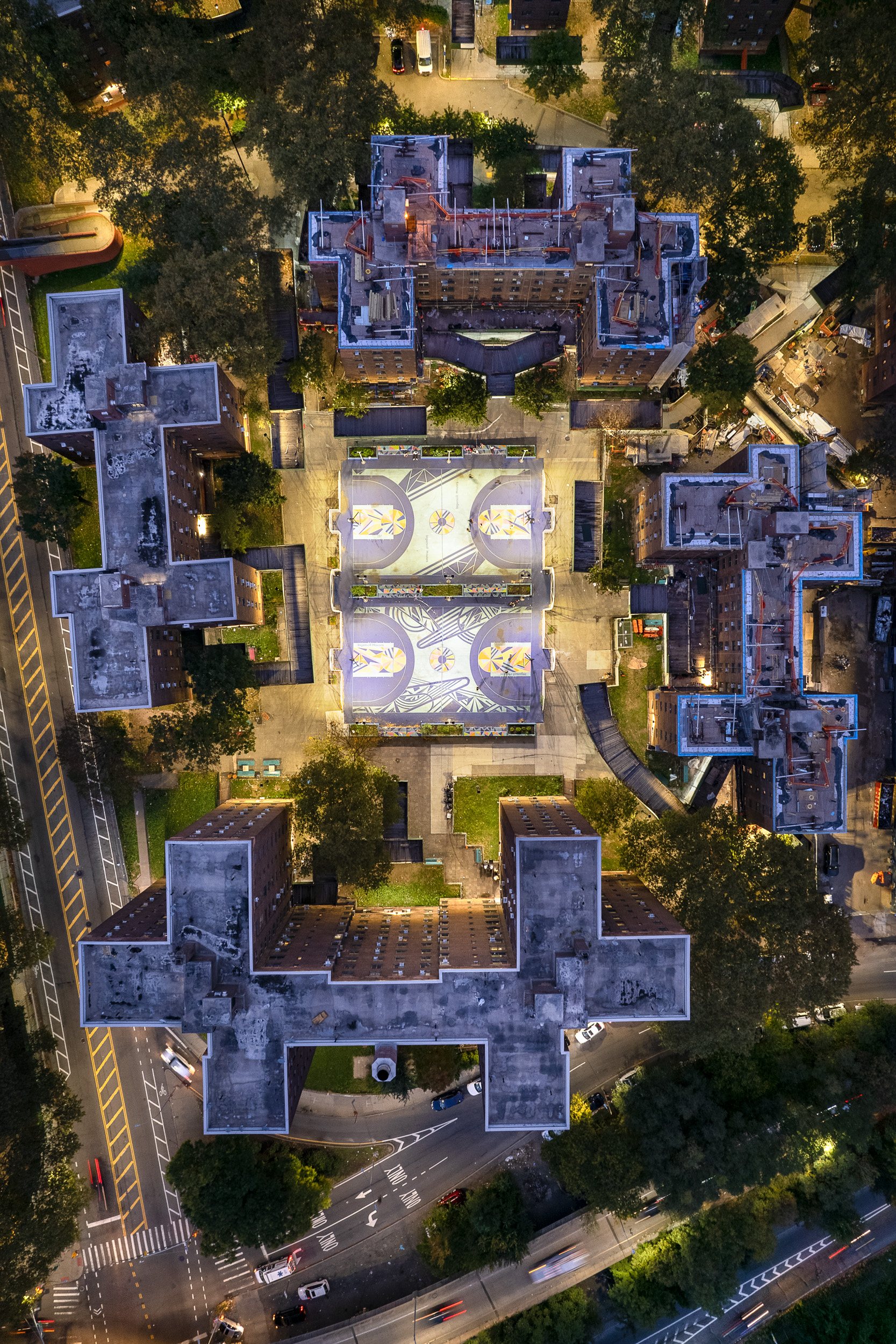
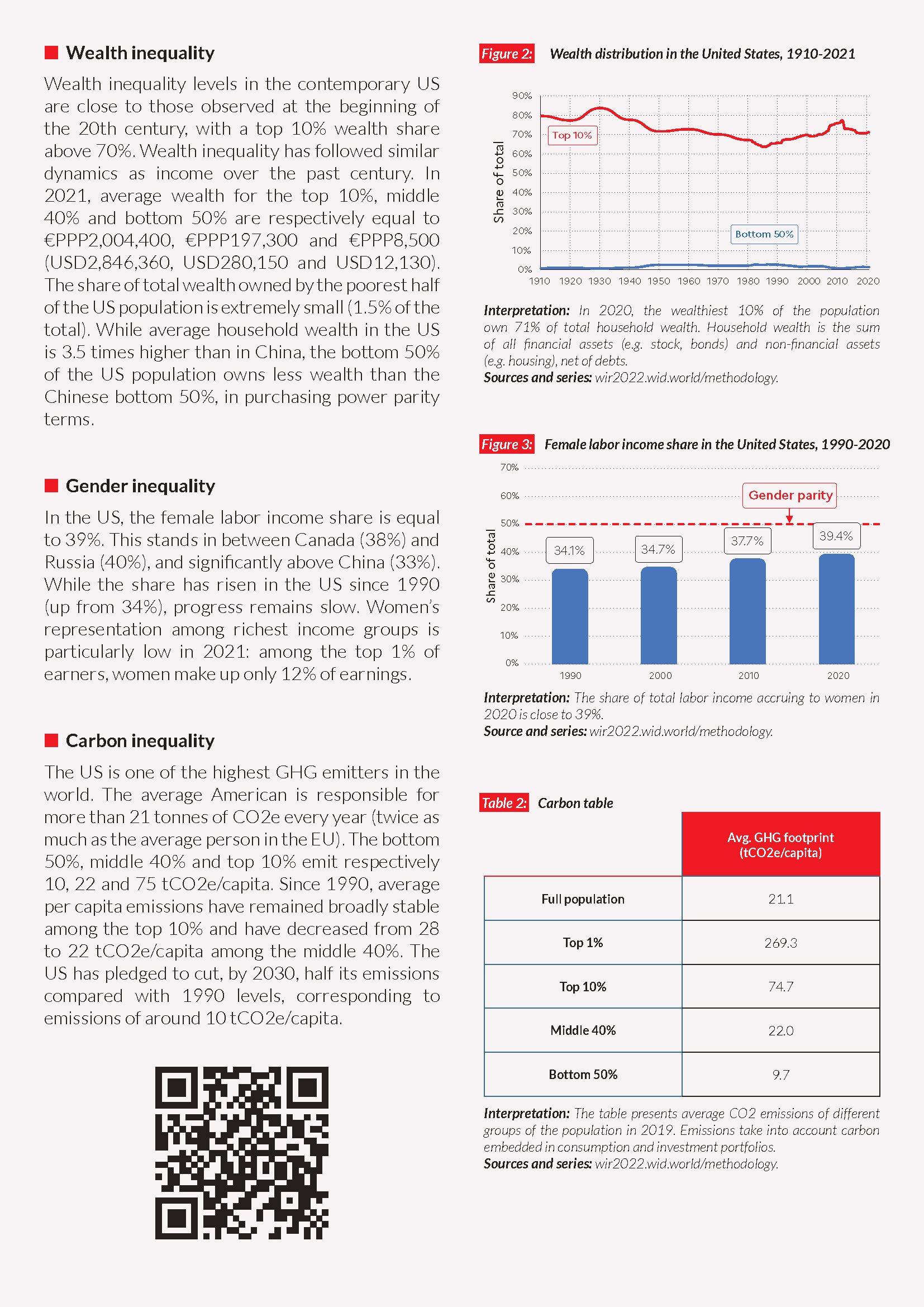
Ingersoll Houses (NYCHA), New York City, USA, 2021
The Ingersoll Houses, illuminated here at night, are among New York City’s oldest public housing developments. Opened in Fort Greene, Brooklyn, in 1944, the plain brick towers are home to around 3,500 people. They are among the more than 500,000 New Yorkers provided with housing by the New York City Housing Authority, the largest public housing agency of its kind in the United States.
Like much of NYCHA’s aging housing stock, the Ingersoll Houses have suffered from chronic disrepair. After years of neglect, tenants have taken their grievances both to the courts and to Congress. At the same time, mounting pressure from gentrification intensifies the city’s social and spatial divisions, revealing a place where great wealth and profound poverty exist side by side.
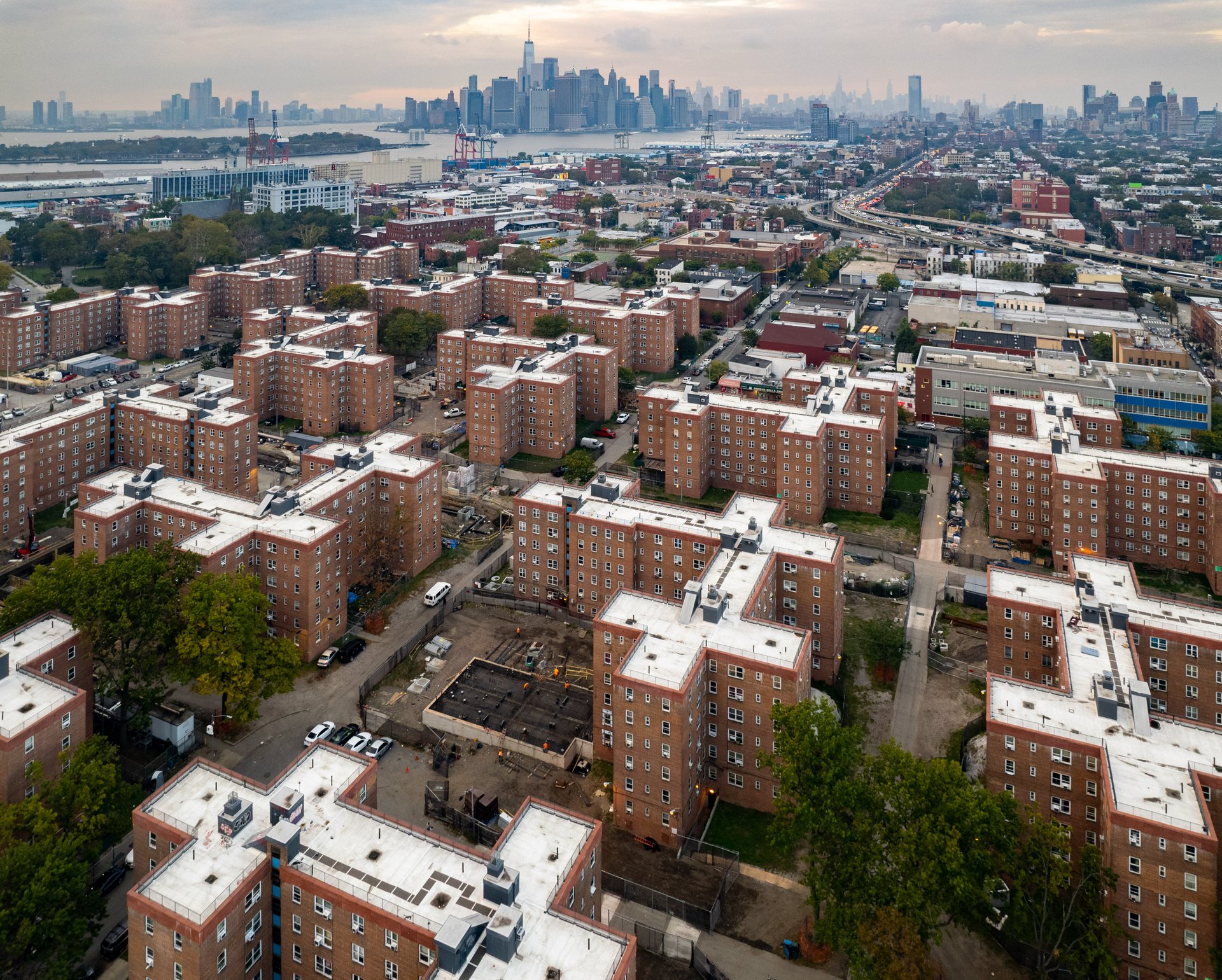
Public housing projects in the Red Hook section of Brooklyn.
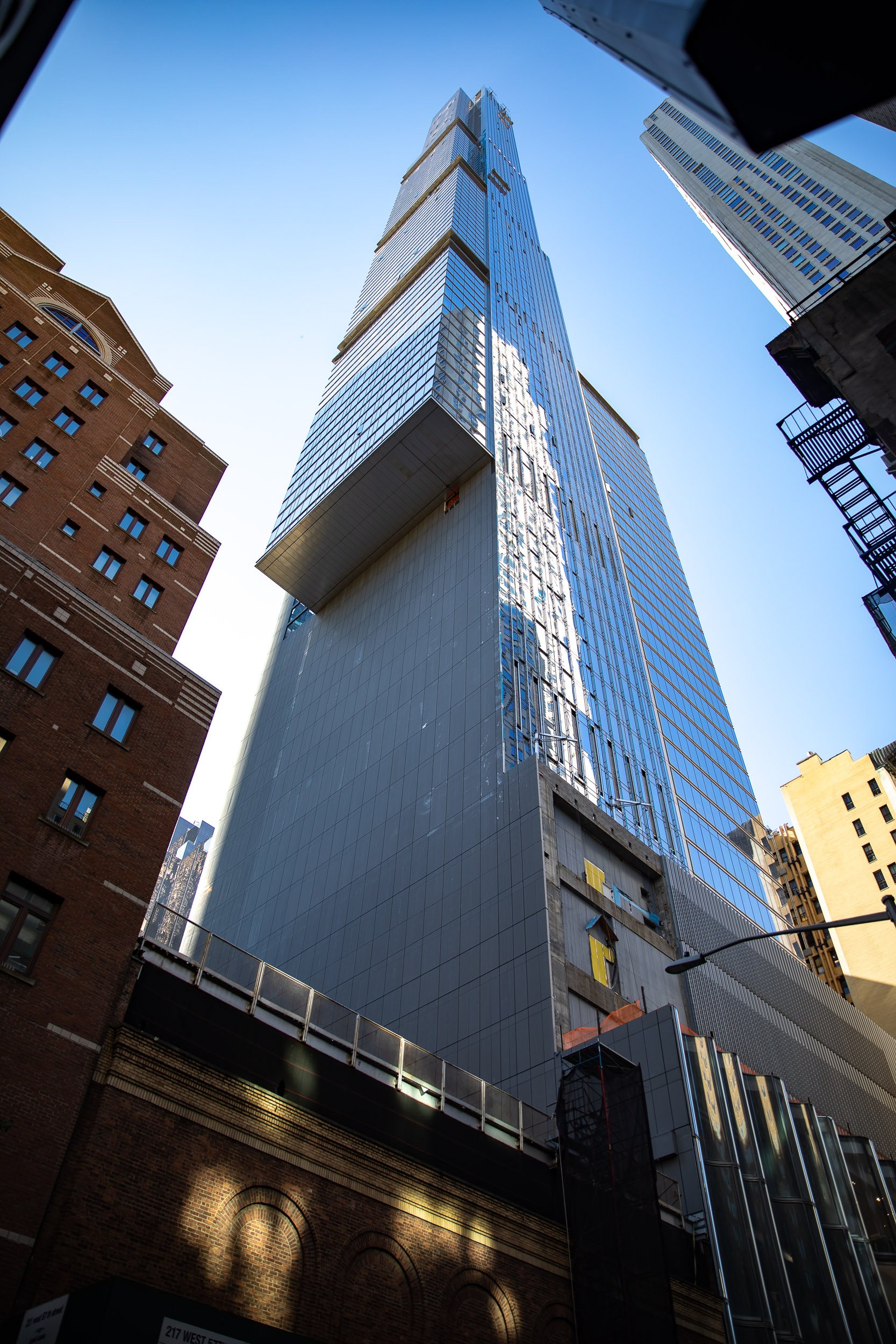
Central Park Tower and other "skinny" super tall buildings benefit from what's known as "air rights". Developers can purchase the airspace above neighboring buildings, and then add it on top of theirs.
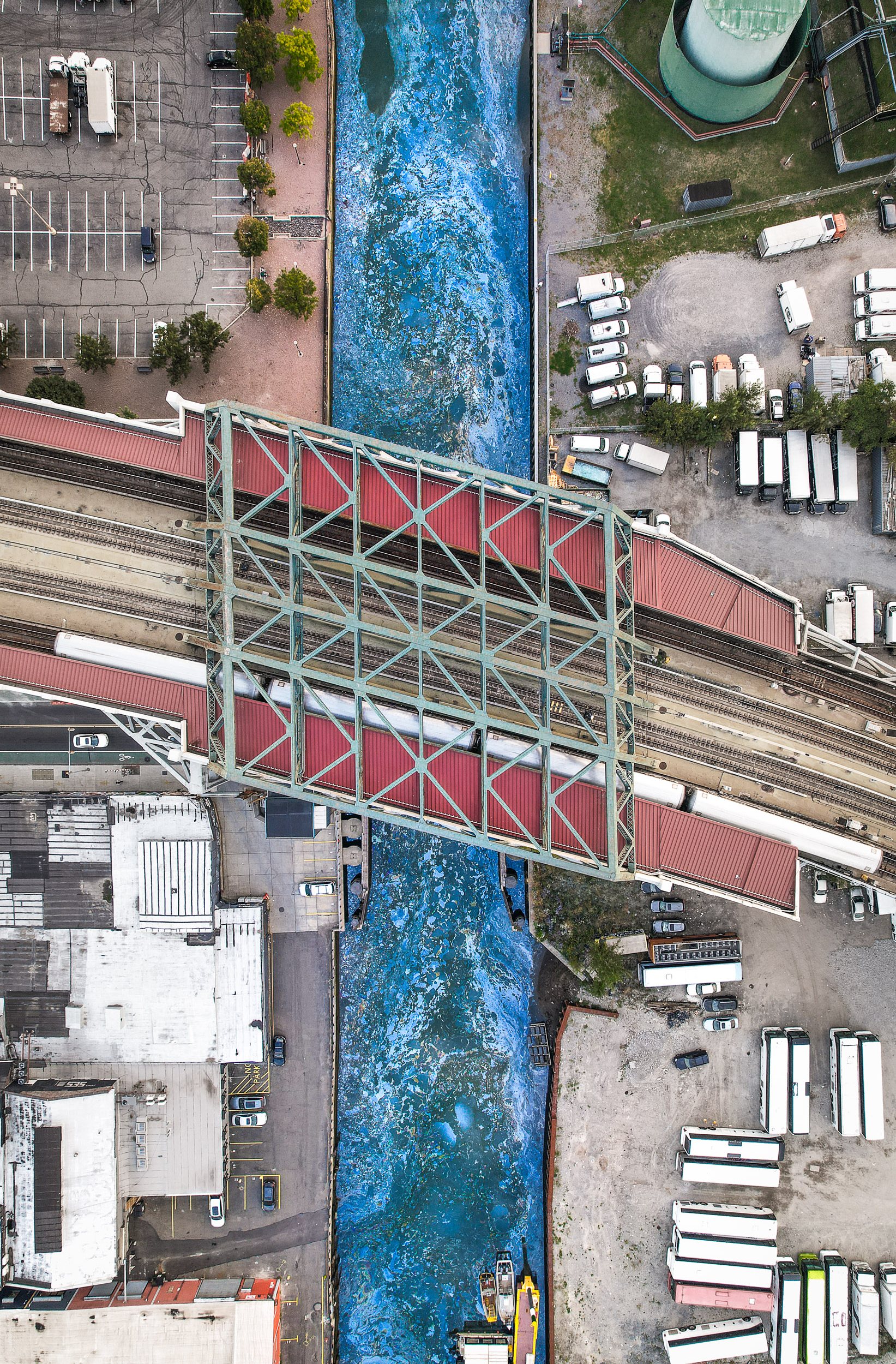
The Gowanus Canal is a name synonymous with pollution in America. Used for years as a dumping site for toxic chemicals, sludge, and even as a mafia graveyard, it was declared a federal Superfund site in 2010, and a full-scale cleanup began in 2020. However, on certain days, when the tide and wind are just right, the riverbed releases toxic, smelly ooze to the surface.
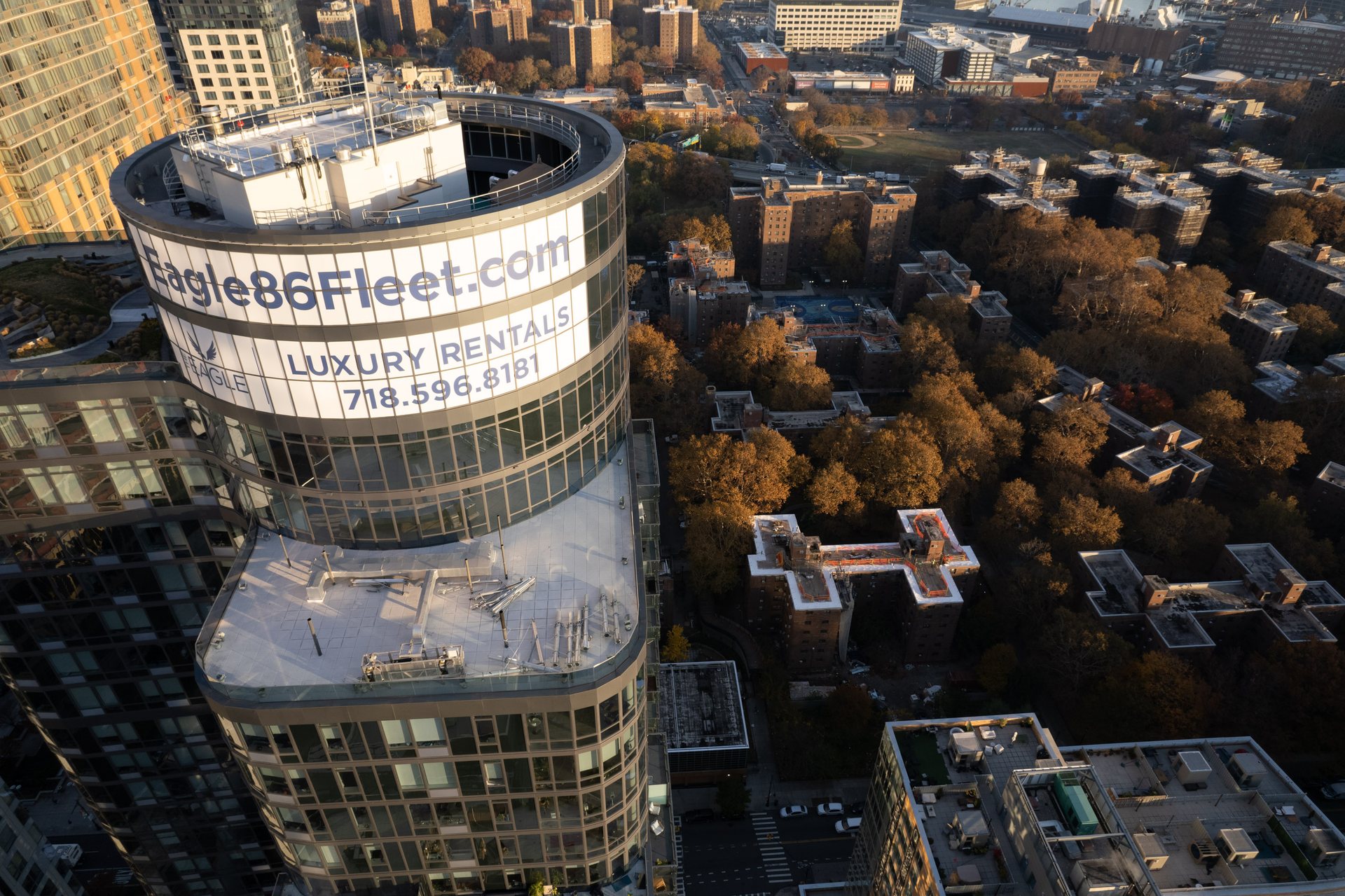
Public housing projects in downtown Brooklyn stand in the shadows of supertall buildings, signifying the completion of gentrification in one of America’s most historic black neighborhoods. Because luxury real estate is such a reliable and under-taxed investment in New York City, it’s exceedingly rare for tall new buildings in gentrifying neighborhoods to rent or sell at rates that are affordable to those who live nearby.
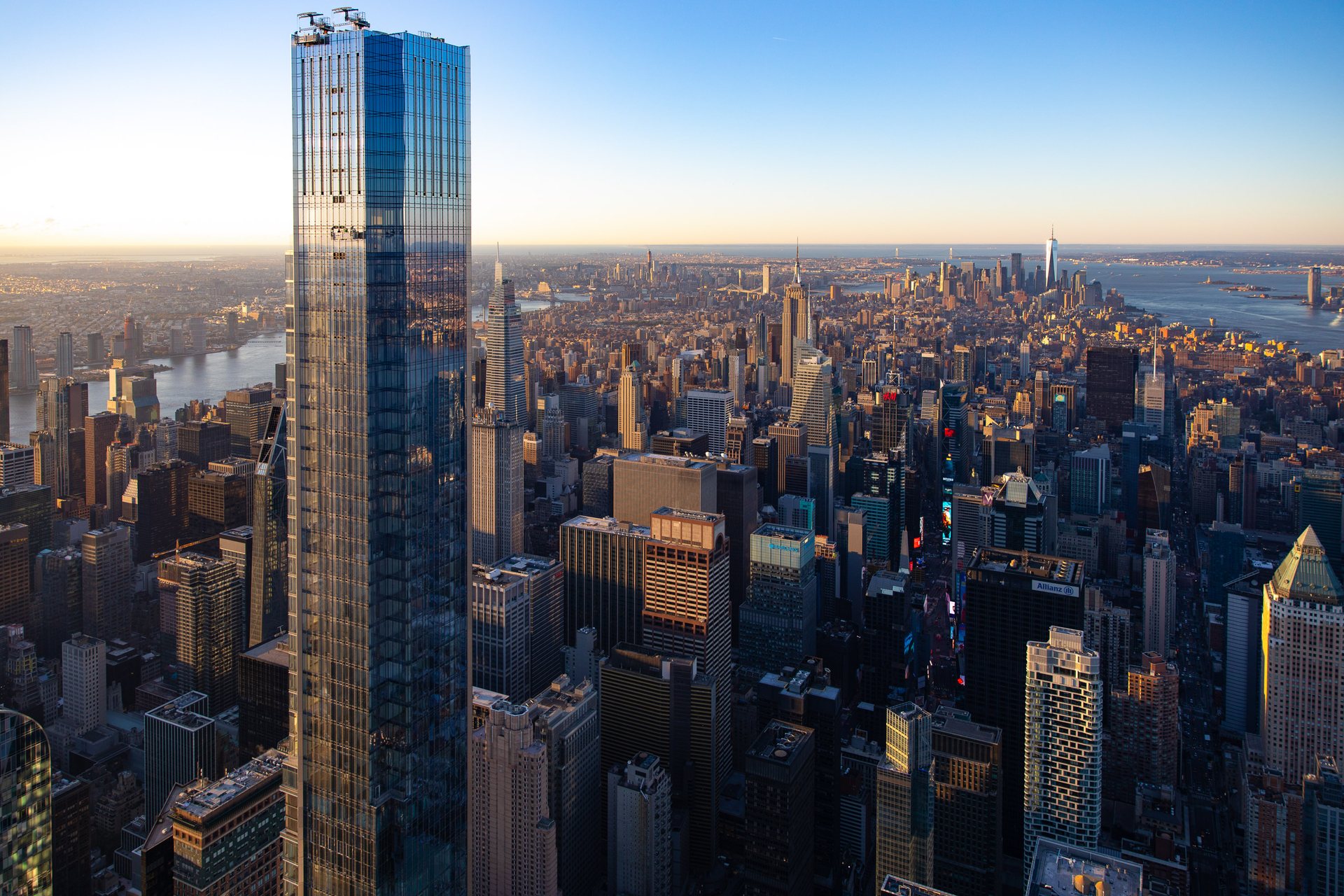
Central Park Tower - One of the new "super tall" skinny skyscrapers located on Billionaire's Row (W 57th St). Constructed on congested blocks in one of the world's most valuable real estate markets, developers use purchased "air rights" and innovative architectural techniques to build these slender towers with extremely narrow footprints for only the richest of clientele. Since the mid-2000s, luxury housing has become a new form of investment vehicle for the ultra-wealthy, providing a tangible asset and a cachet that you can't find in stocks or bonds. Penthouse apartments here regularly go for tens of millions, and in some cases (like 432 Park Ave) hundreds of millions of dollars.
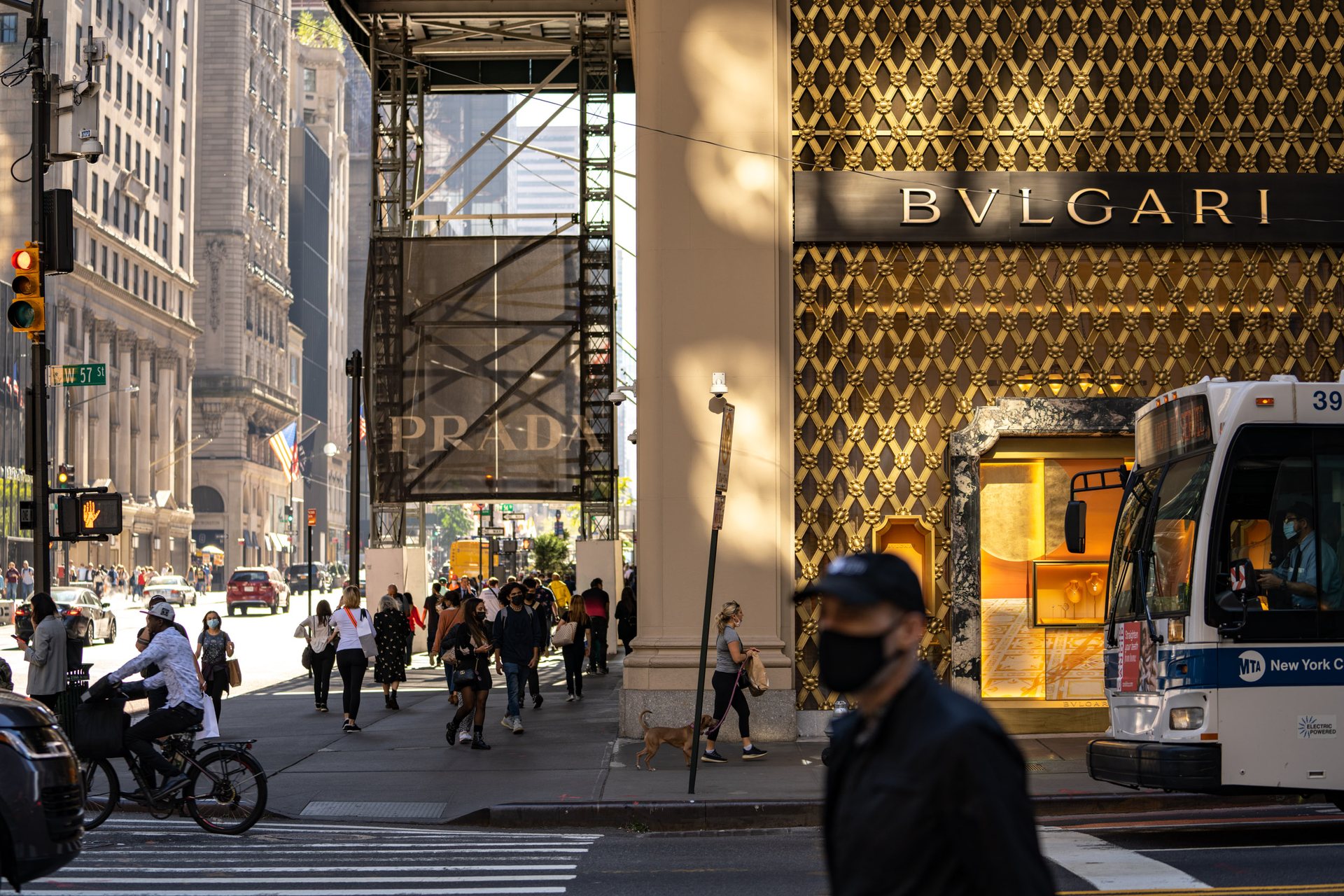
Wealth and privilege meet everyday life on 5th Avenue in midtown Manhattan.
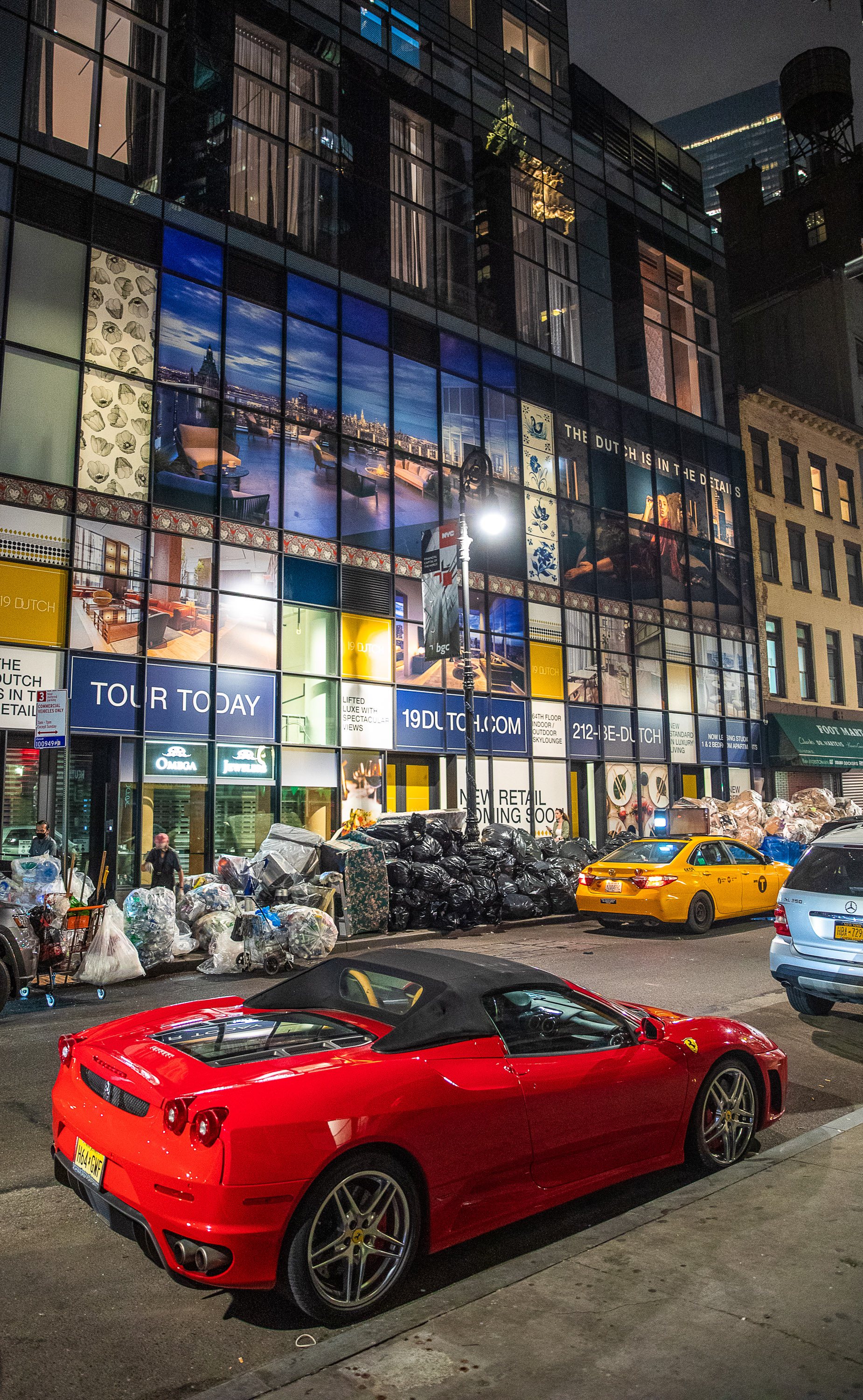
A Ferrari parked in front of a luxury building in the Financial District, while recyclers search for aluminum cans discarded in the mounds of trash nearby.
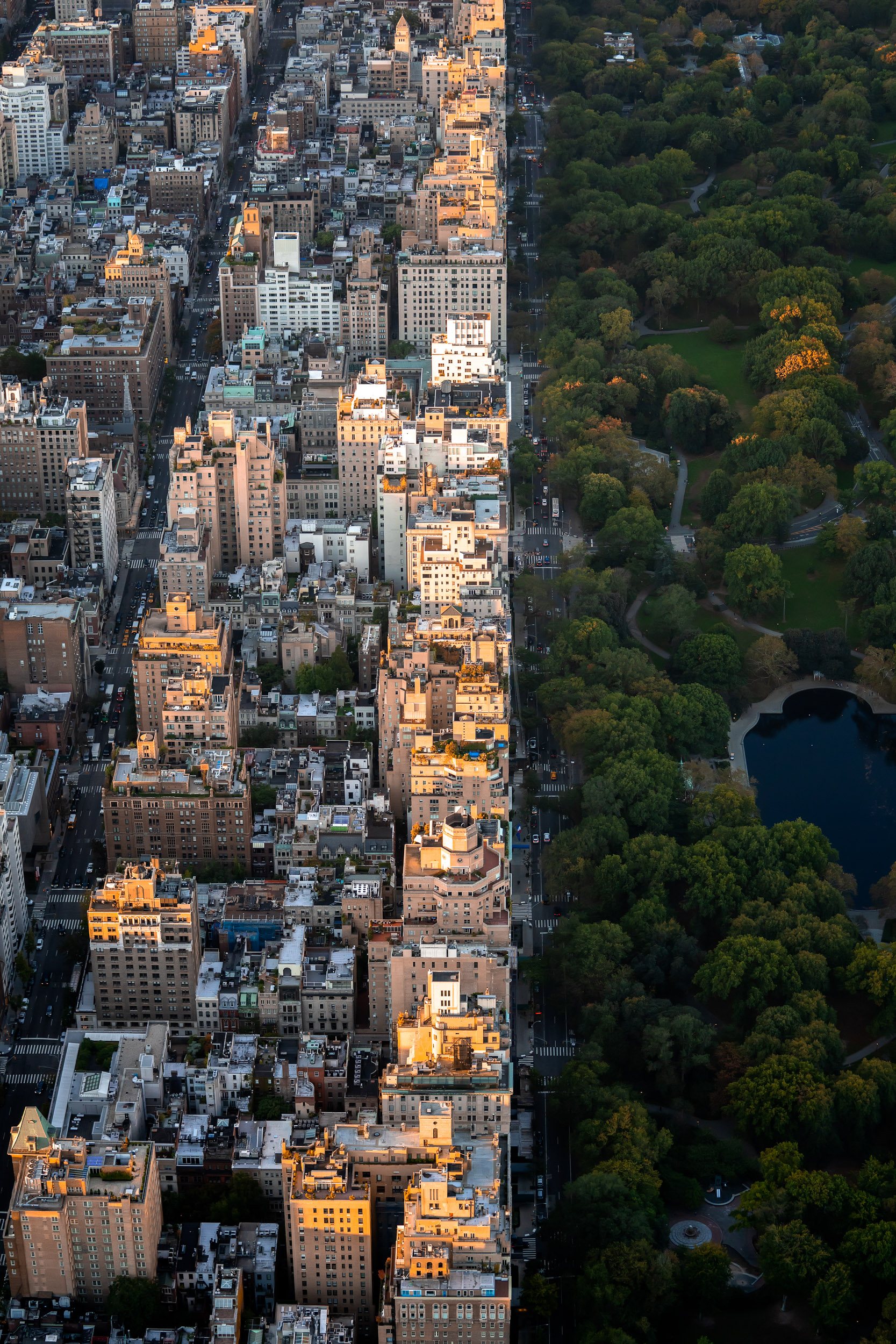
Luxury apartment blocks catch the rising sunlight on Central Park East.
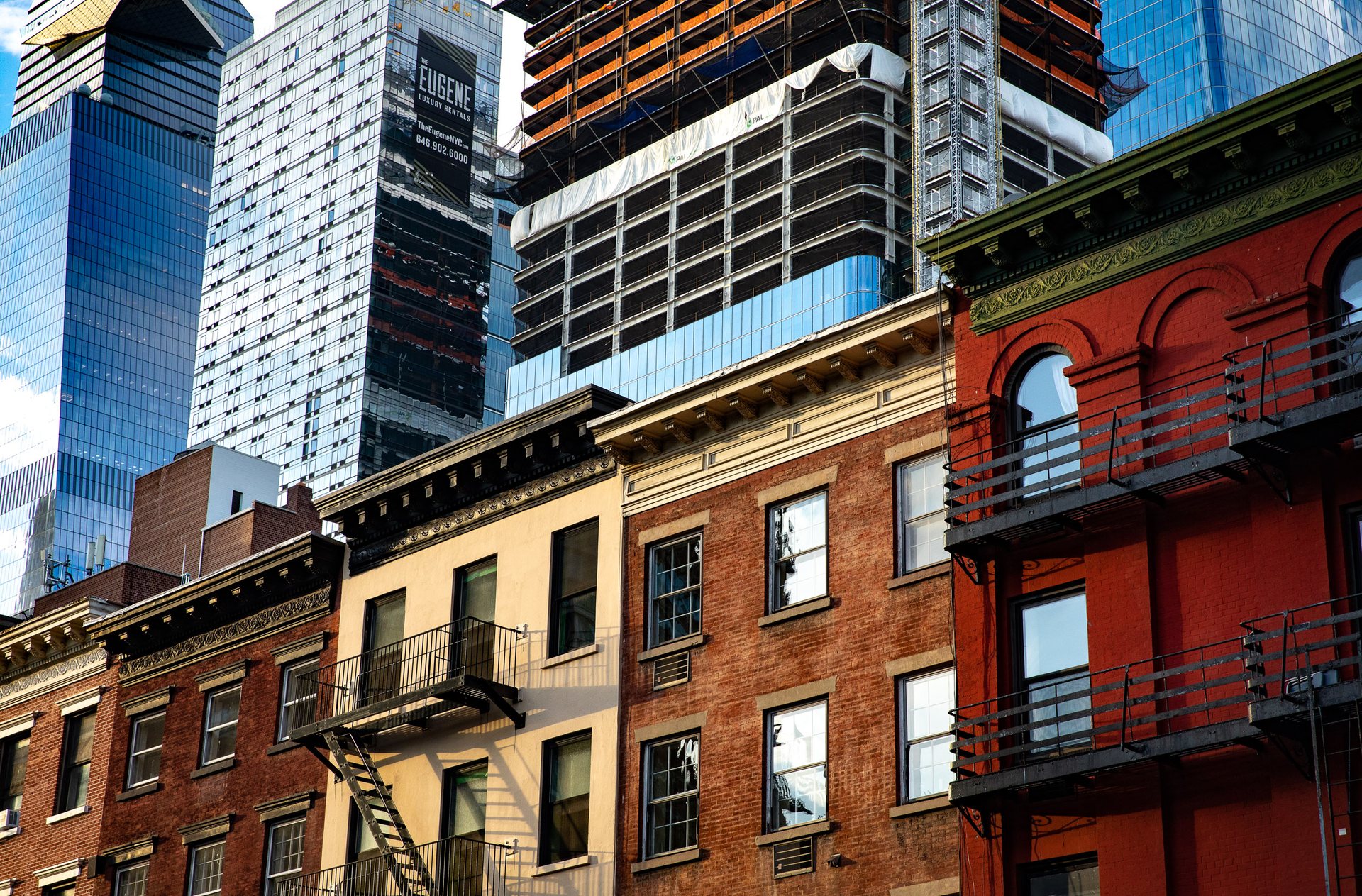
Hudson Yards grows continuously behind historic multi-story Manhattan architecture along the city's west side. Purchased in a massive 25 billion-dollar deal which evaporated a modest but decidedly urban fabric of small factories, neighborhoods and artists' studios and swapped them for 14 high rise towers, Hudson Yards has been on the receiving end of dozens of acerbic critiques from people much wittier and knowledgeable than I am. Adding millions of feet of office space, luxury apartments and "public spaces" (like the Heatherwick-designed "Vessel") but contributing no discernible interesting urbanity to the city, Hudson Yards has sparked years of fierce debate and controversy while simultaneously changing the skyline of the city dramatically.
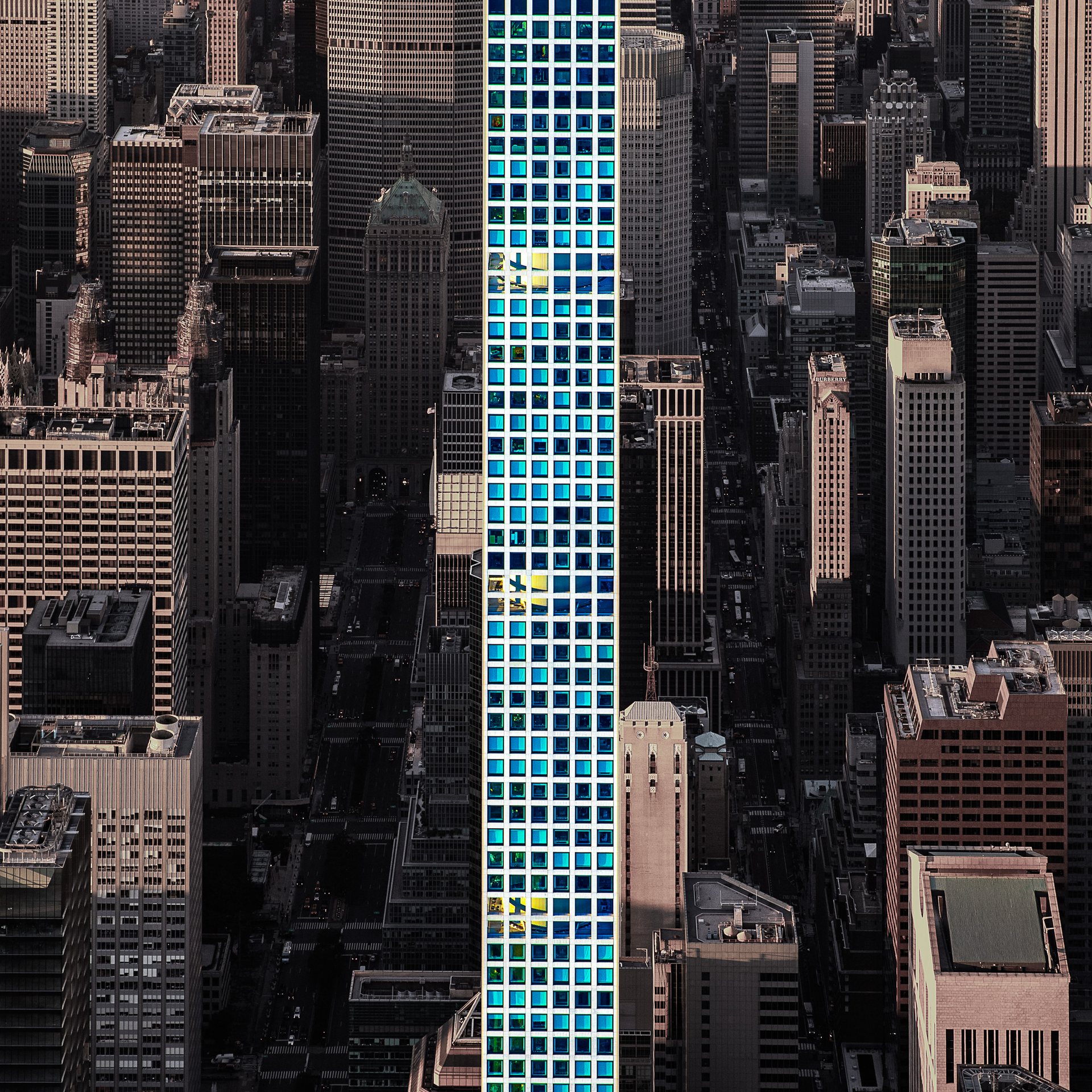
432 Park Avenue - One of the new "super tall" skinny skyscrapers in midtown Manhattan. Constructed on congested blocks in one of the world's most valuable real estate markets, developers use purchased "air rights" and innovative architectural techniques to build these slender towers with extremely narrow footprints for only the richest of clientele. Since the mid-2000s, luxury housing has become a new form of investment vehicle for the ultra-wealthy, providing a tangible asset and a cachet that you can't find in stocks or bonds. Penthouse apartments here regularly go for tens of millions, and in some cases (like 432 Park Ave) hundreds of millions of dollars.
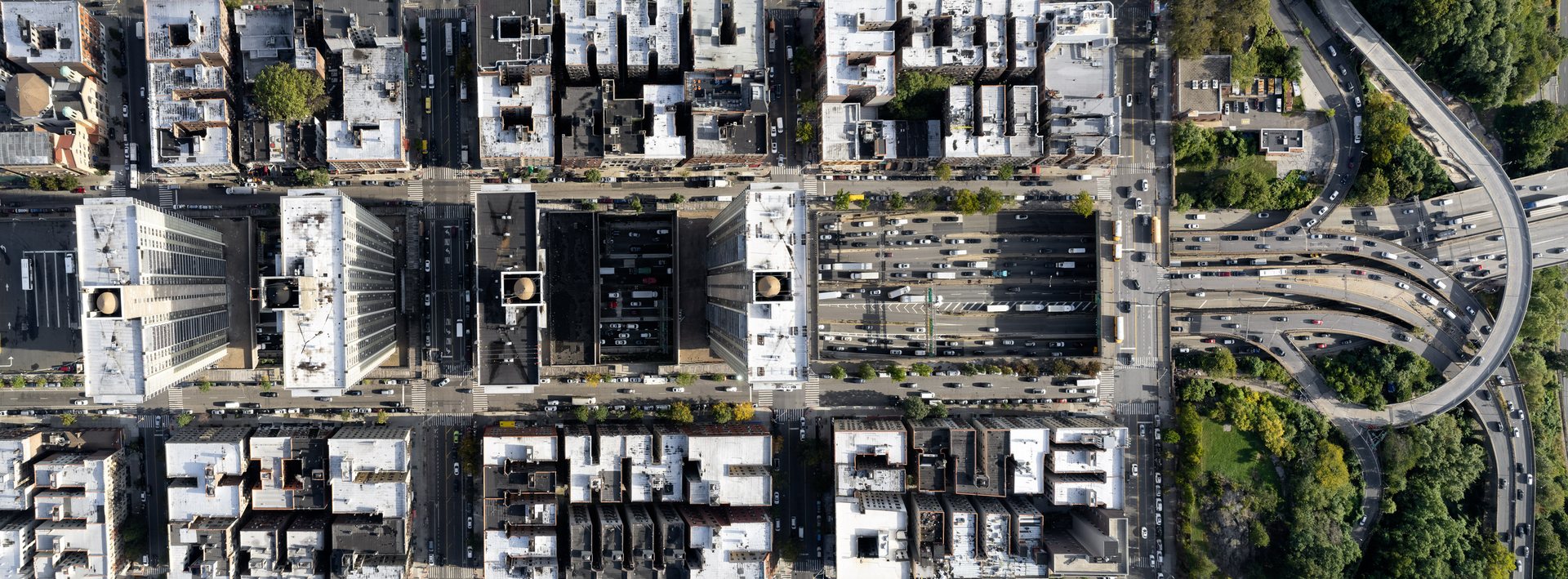
The four tower blocks straddling the highway here are the Bridge Apartments, built in the early 1960s directly above the Trans-Manhattan Expressway, the stretch of Robert Moses's notorious Cross-Bronx corridor that runs to the George Washington Bridge. Some 4,000 people, mostly working-class, live on platforms over twelve lanes of traffic. The gaps between the towers were left open because sealing and venting the road was too costly, so exhaust rises straight up between the homes. Residents have long complained of foul air and noise. Along this corridor, respiratory illness runs well above the city average.
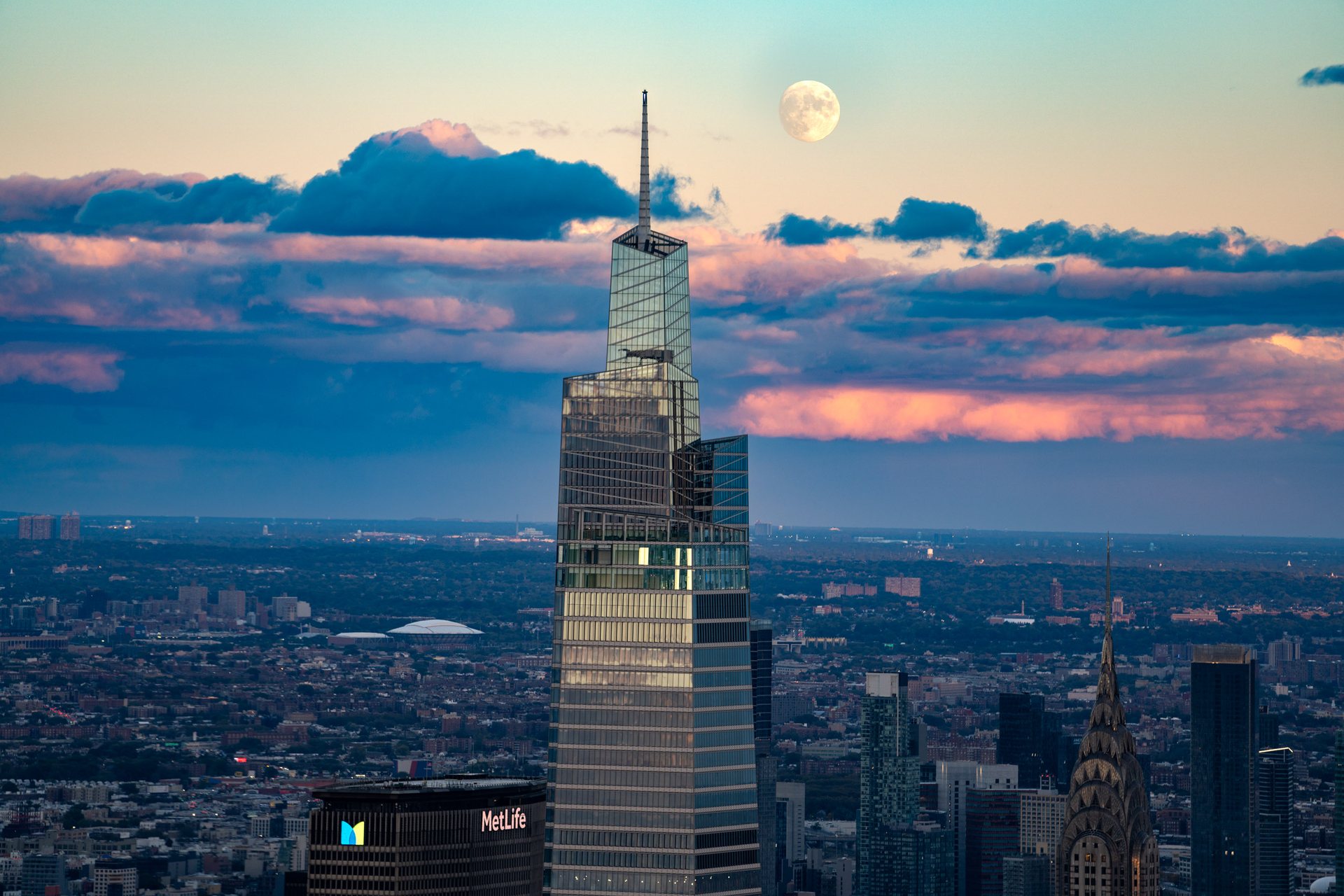
One Vanderbilt, a new supertall in midtown Manhattan.
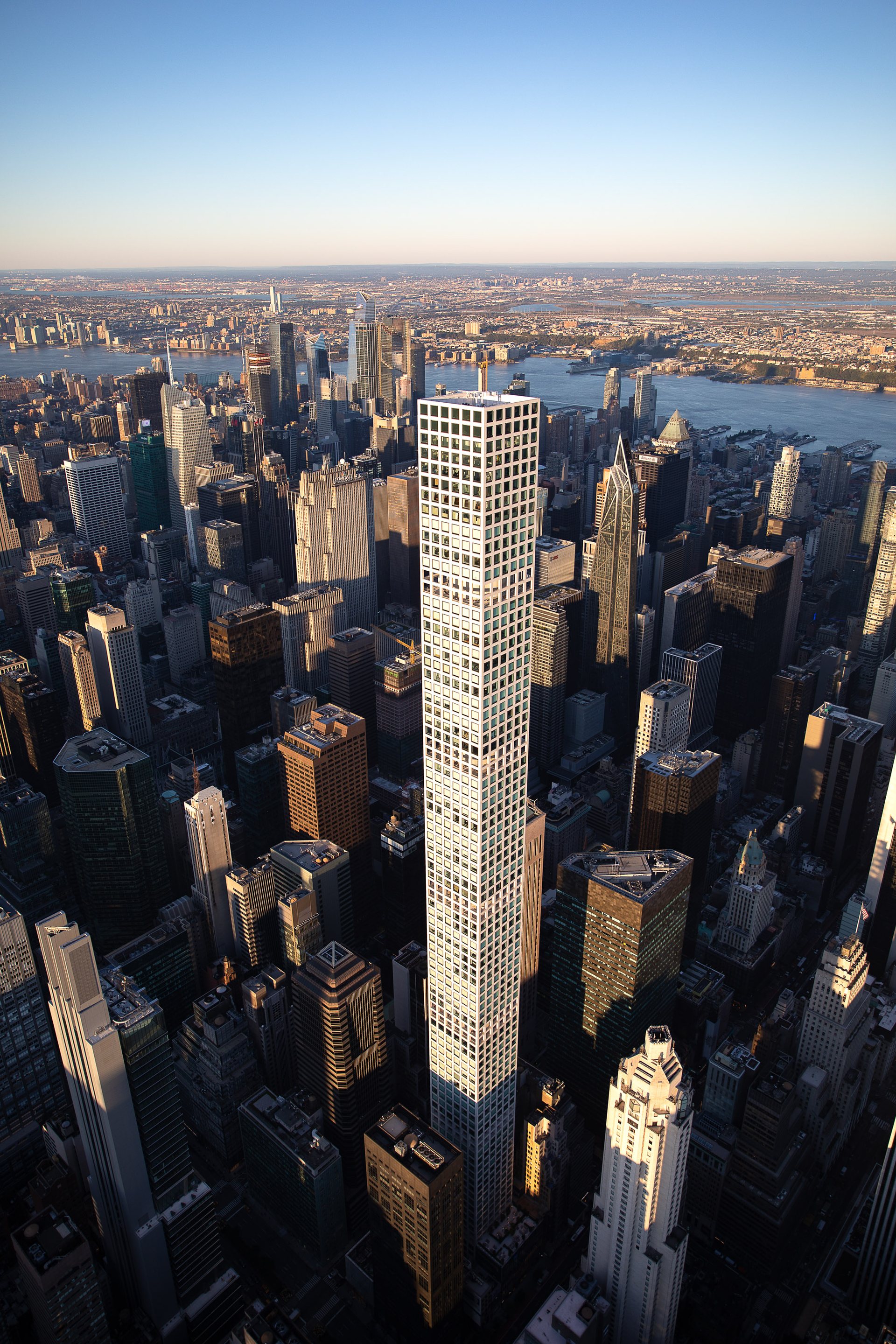
432 Park Avenue, the super tall with the penthouse (pictured here)
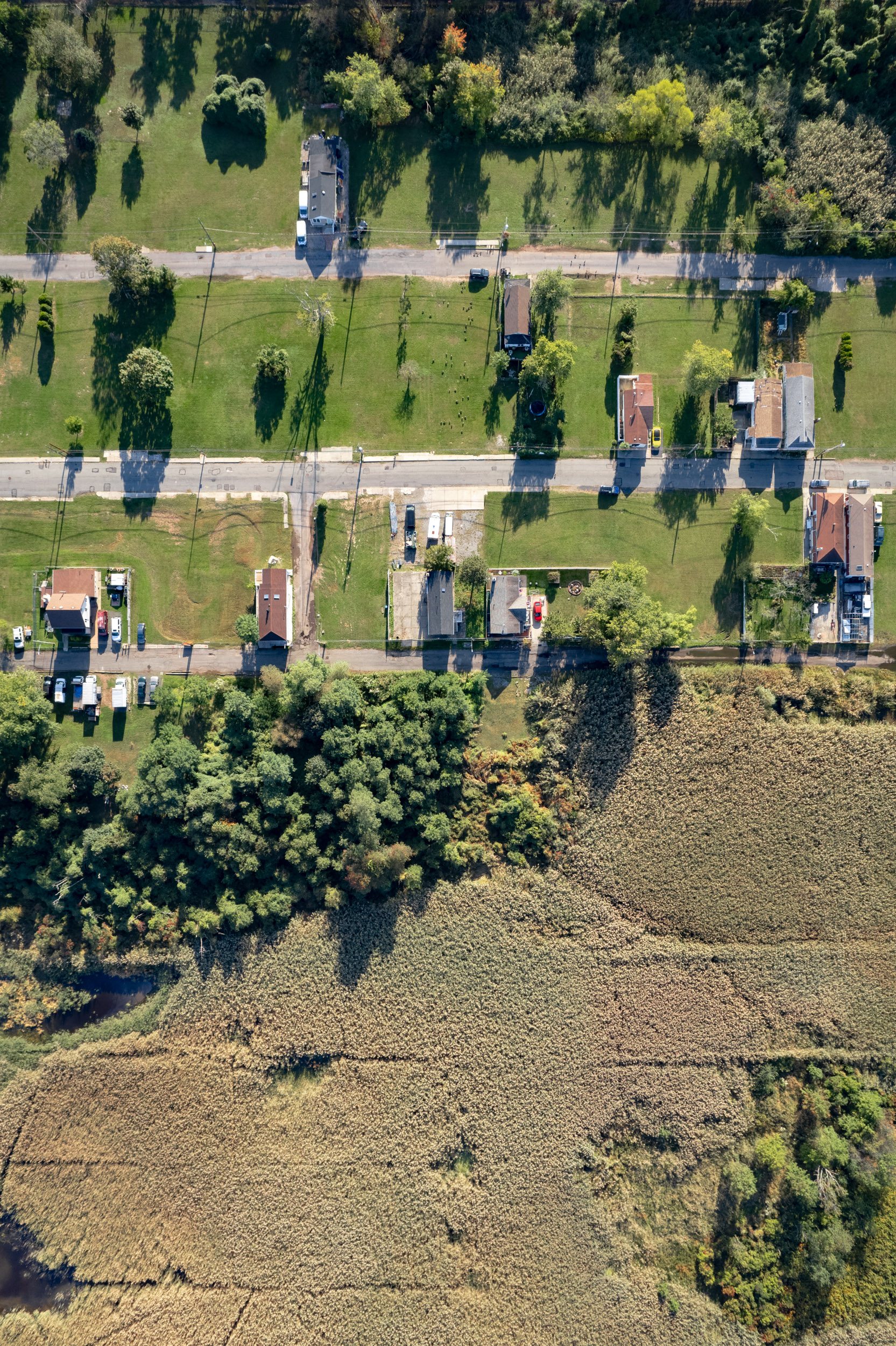
Oakwood in Staten Island, where many homes were destroyed during Superstorm Sandy, is now a shell of itself. Some homeowners refuse to move.
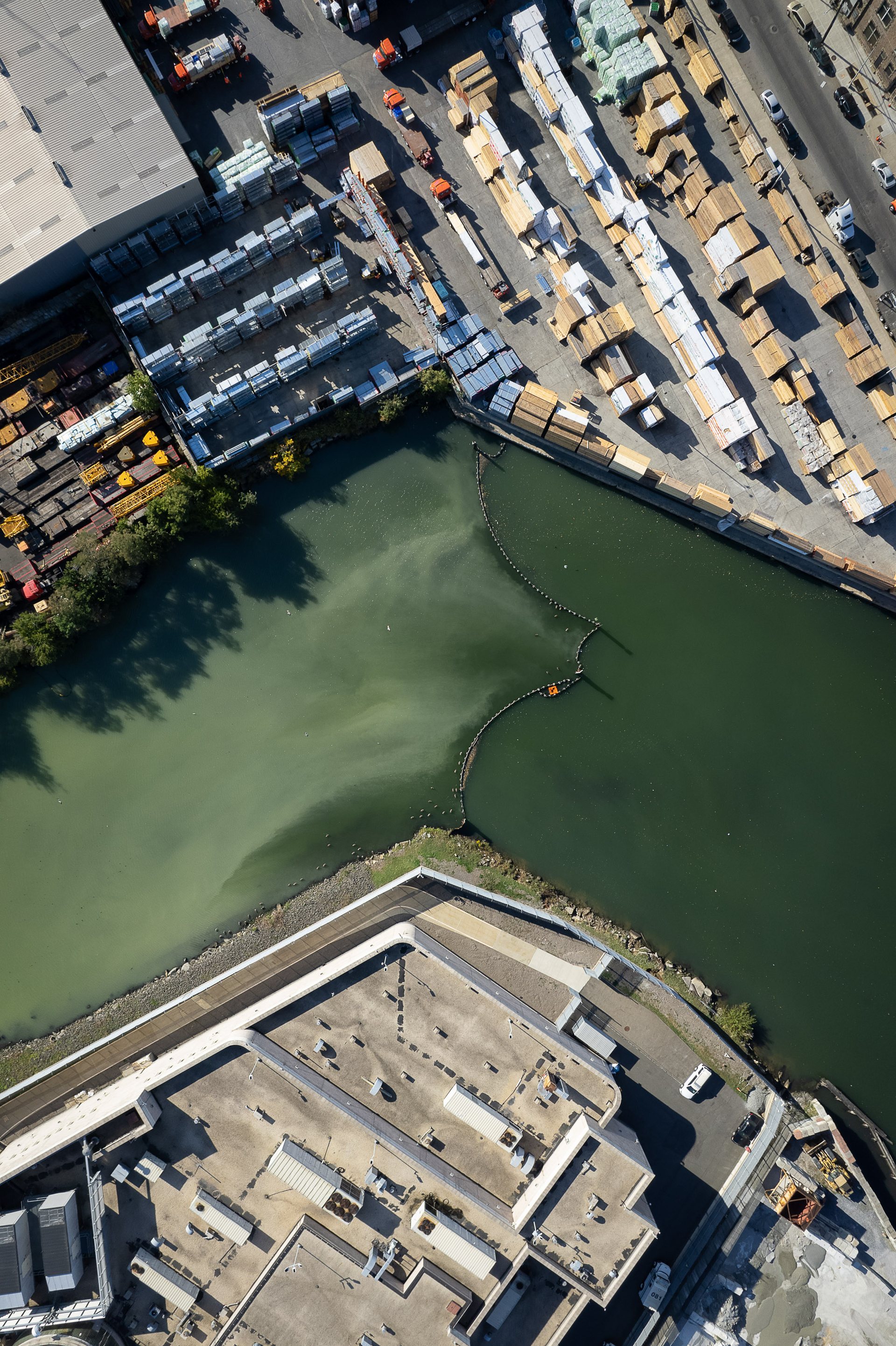
Newtown Creek is the border between Brooklyn and Queens, and the site of one of the largest oil spills in US history. It's currently bounded by some of NYC's hottest developments.
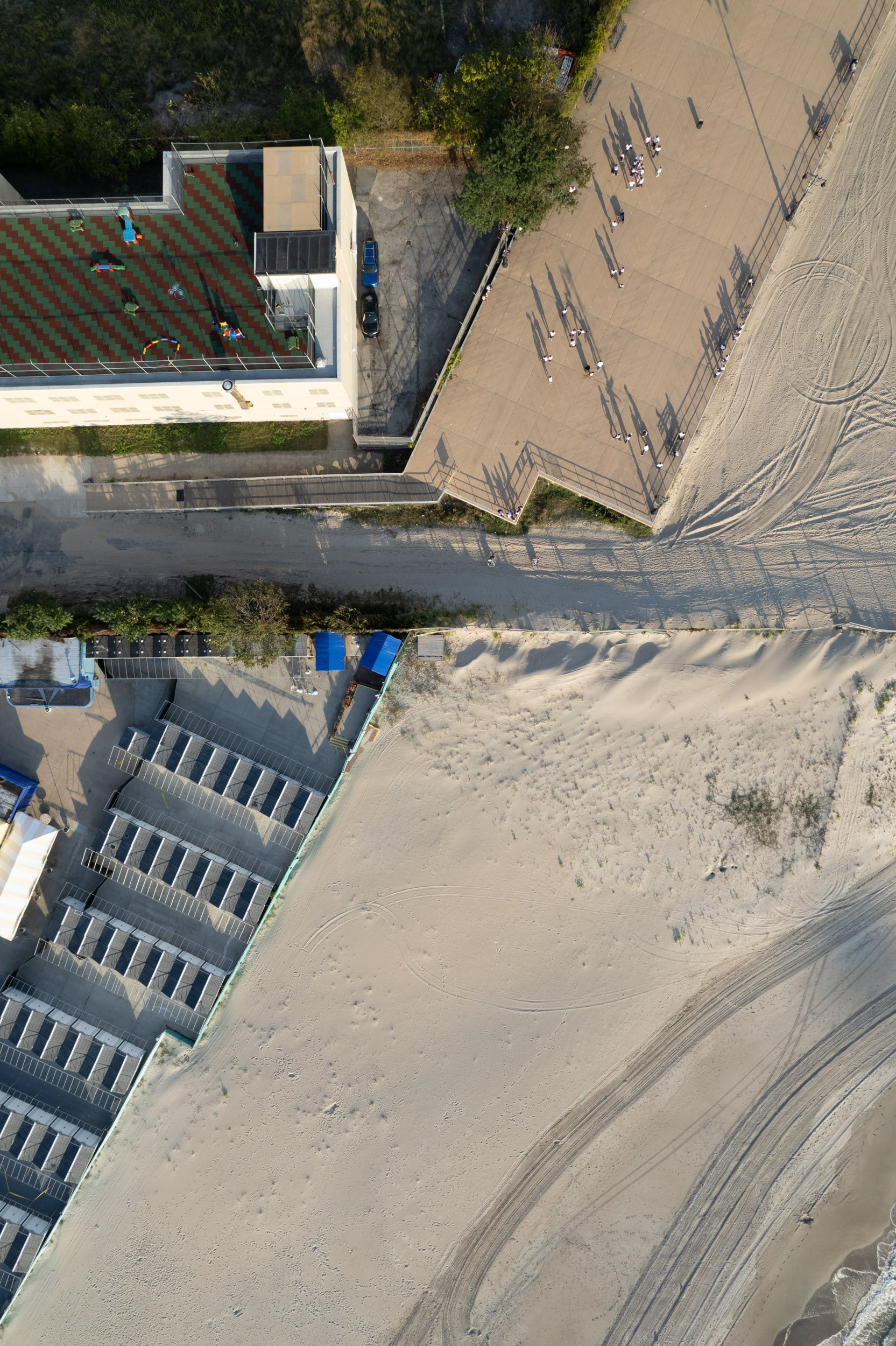
Public beach ends at W 37th St in Coney Island, and the private development of Sea Gate begins. This gated community was the first in New York City.
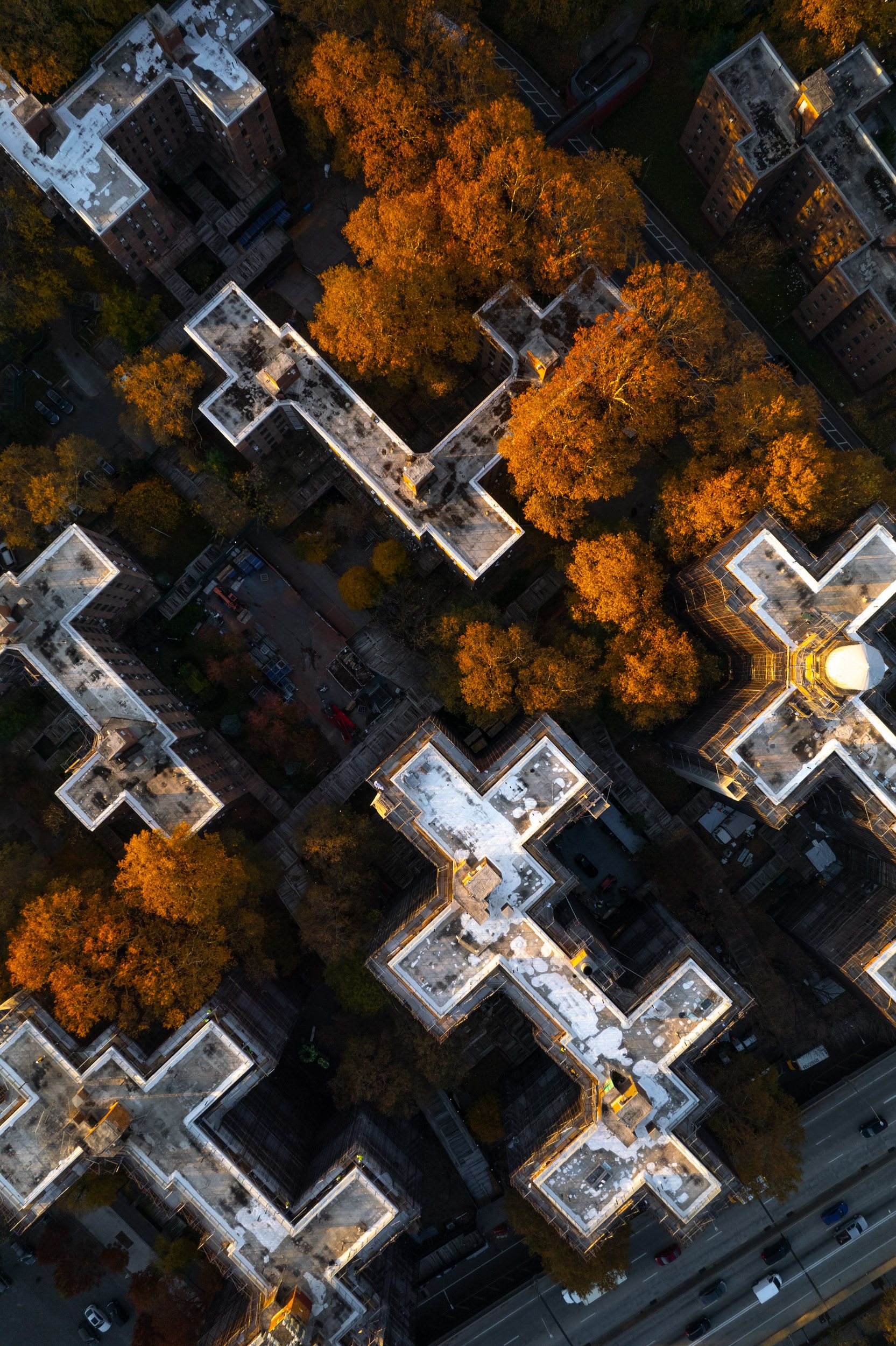
The Ingersoll public housing project in Brooklyn.
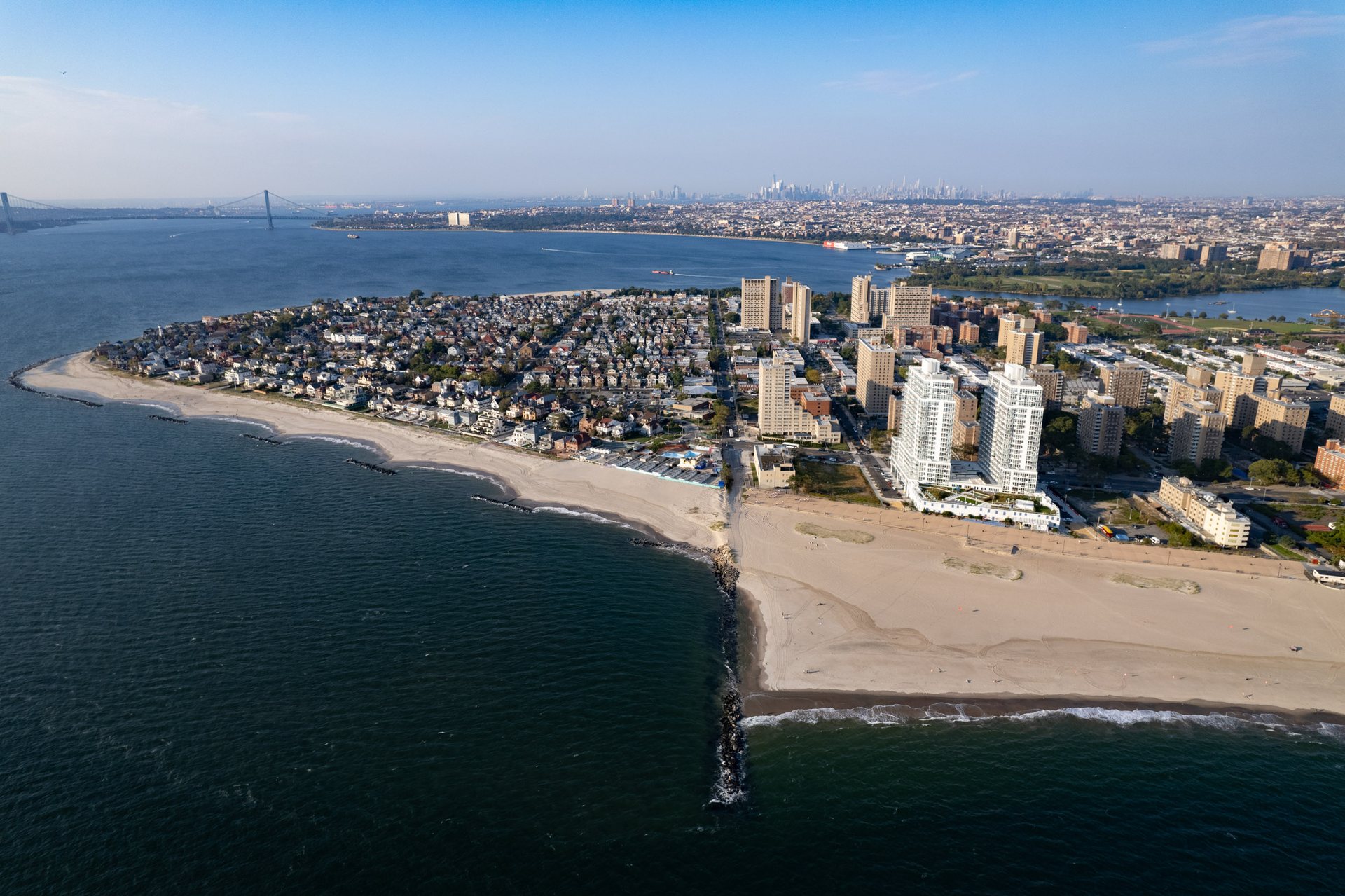
Sea Gate, on the tip of Coney Island, is one of only a handful of private neighborhoods in the city. Neighbors have accused the privatized police force of heavy-handed policing and nepotism in the past. The neighborhood is 83% white, as compared to the rest of Coney Island which is overwhelmingly Black and Hispanic.
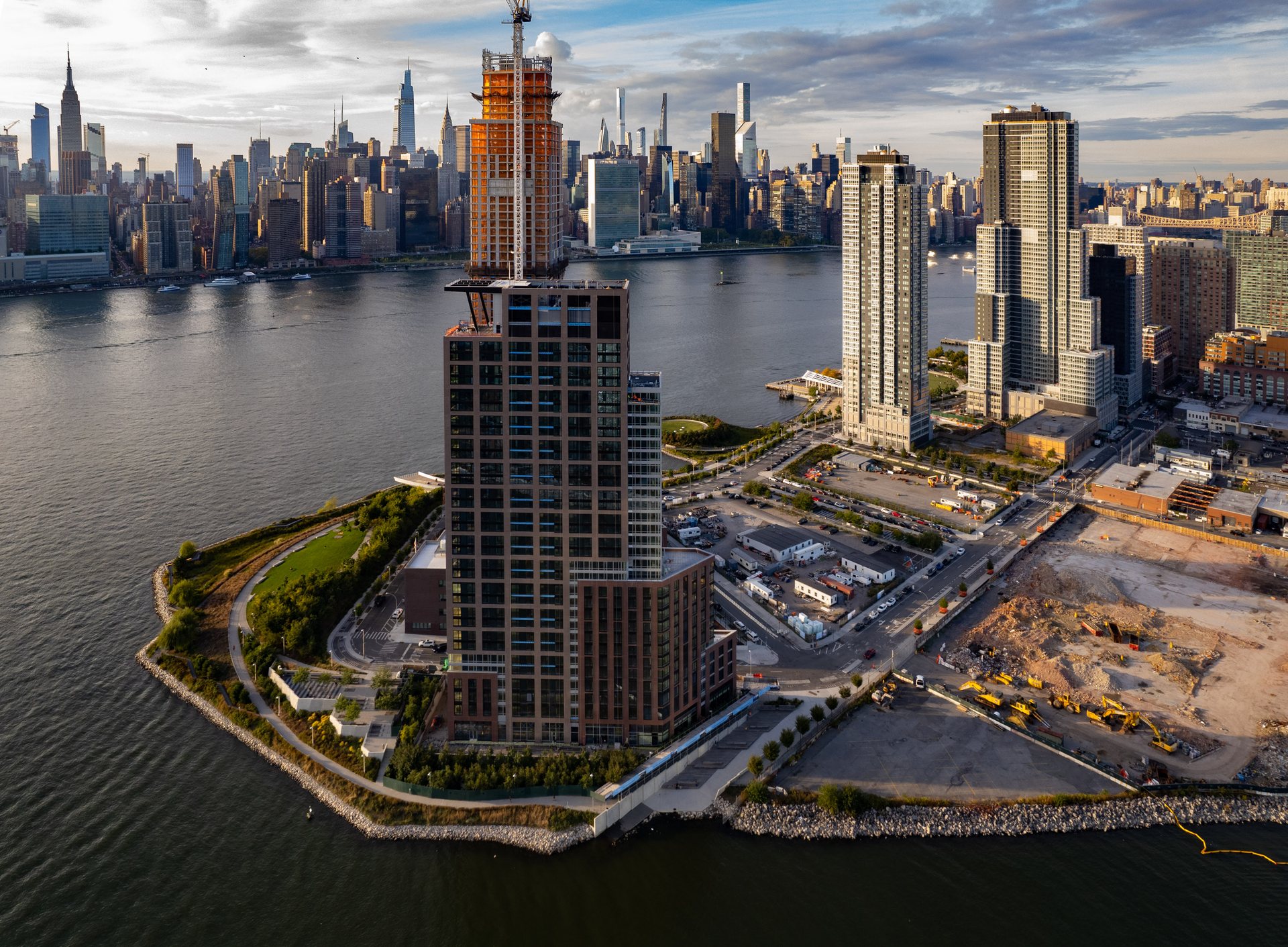
New developments in Long Island City.
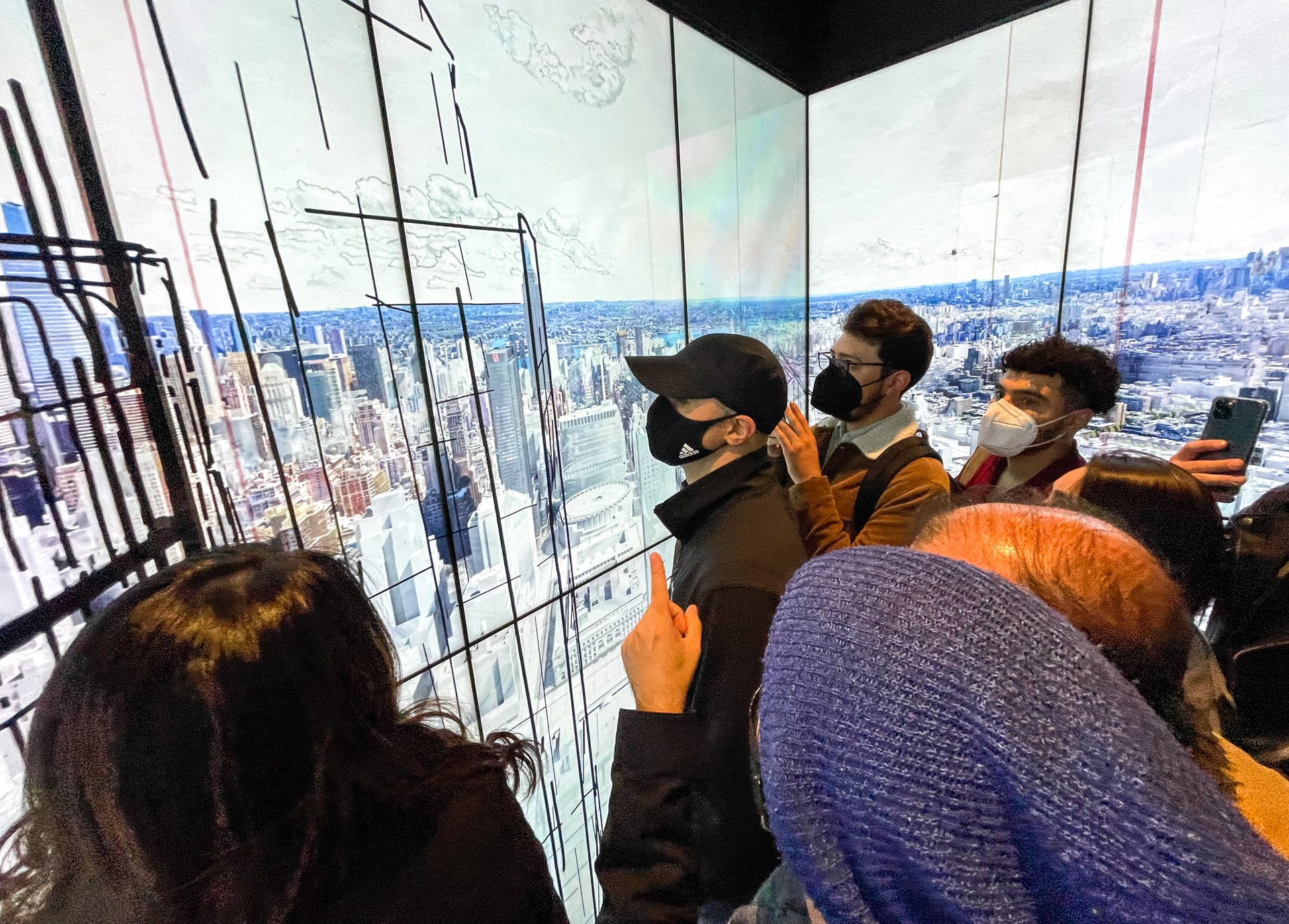
Hudson Yards is a billion-dollar "smart city" promising revitalization and a lab for future civic tech in the heart of midtown.
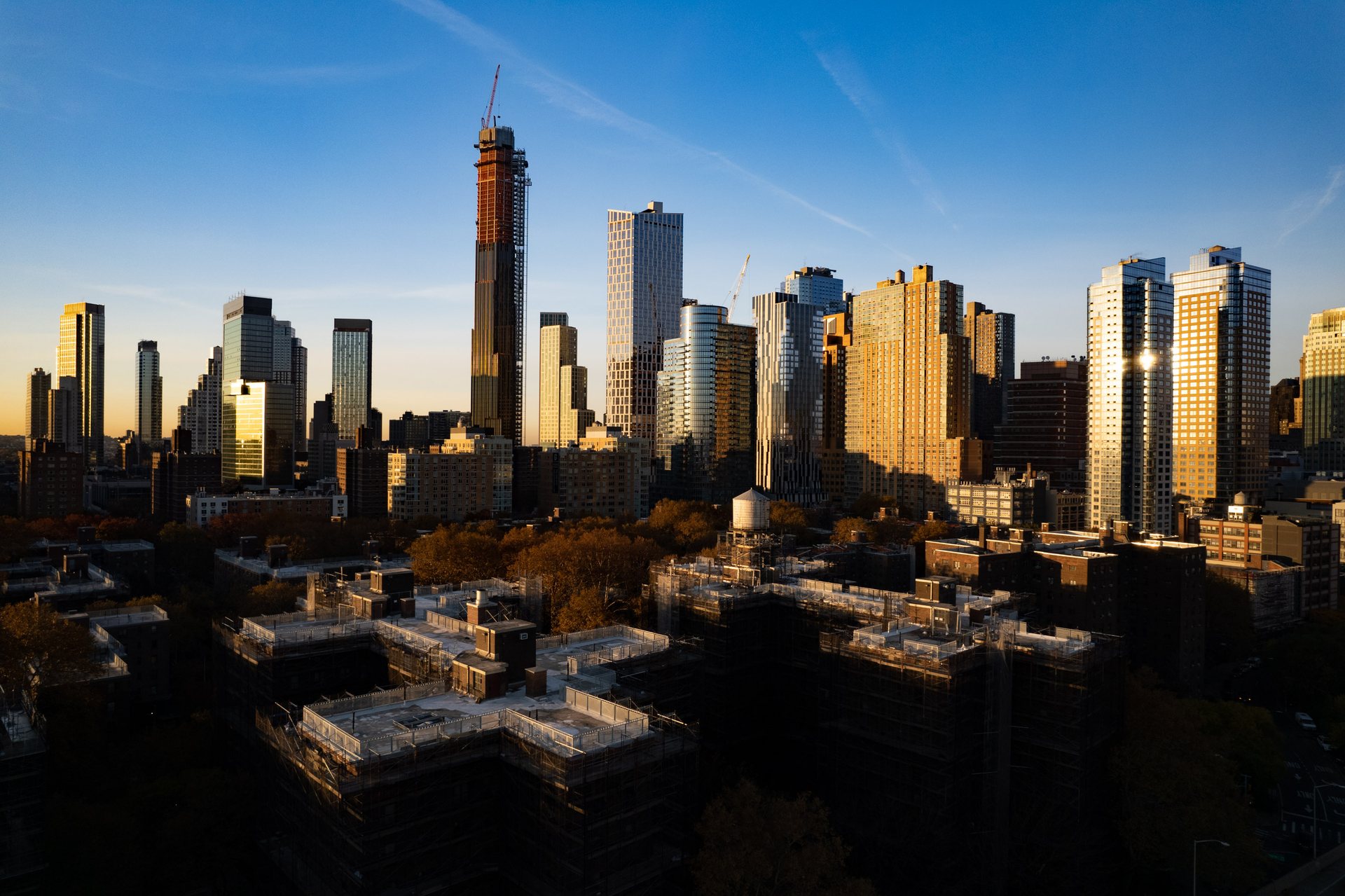
Glittering apartment buildings and public housing in downtown Brooklyn.
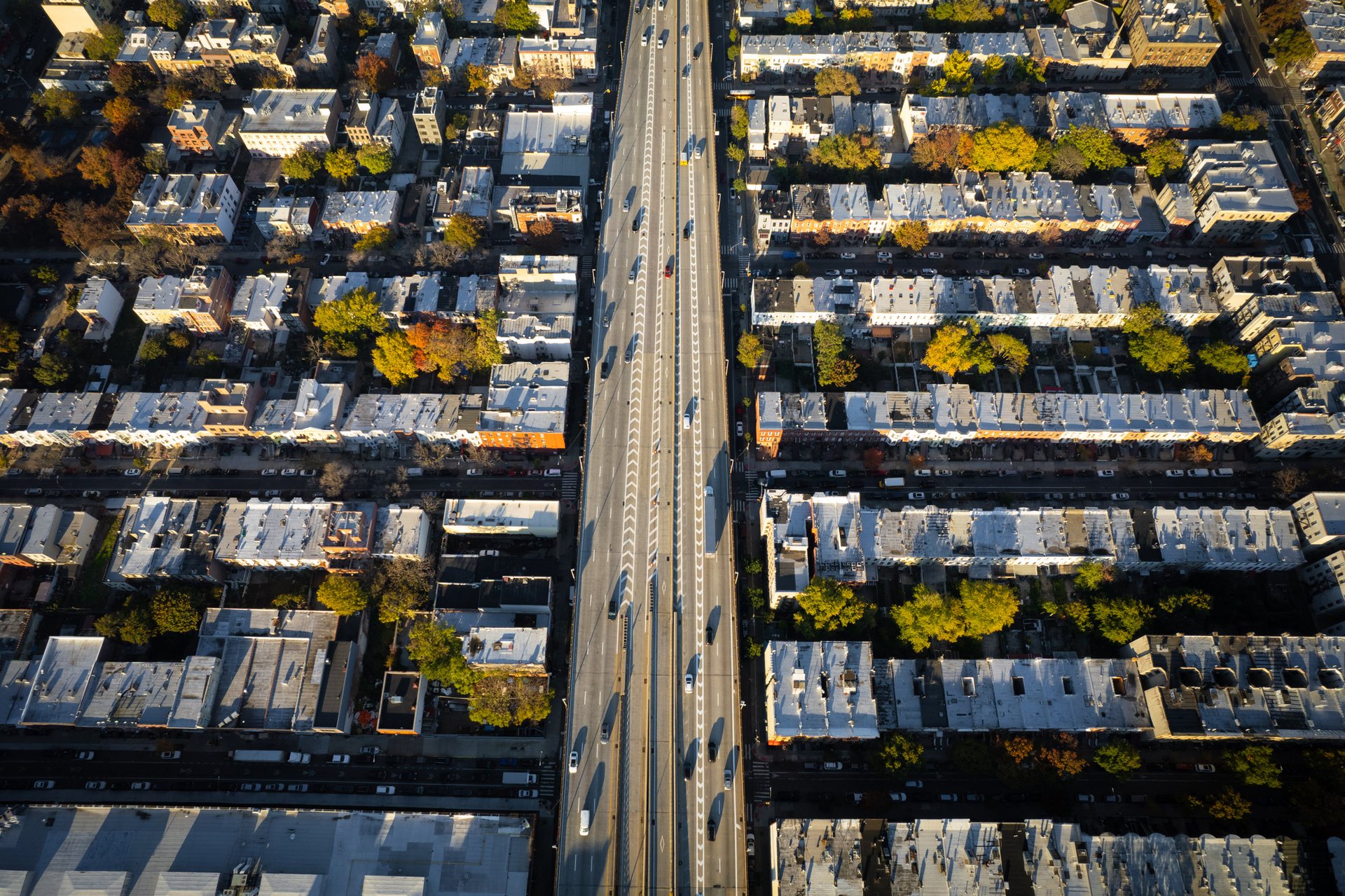
The Gowanus Expressway - part of a series of transportation projects Robert Moses rammed through diverse neighborhoods in the early 1960s.
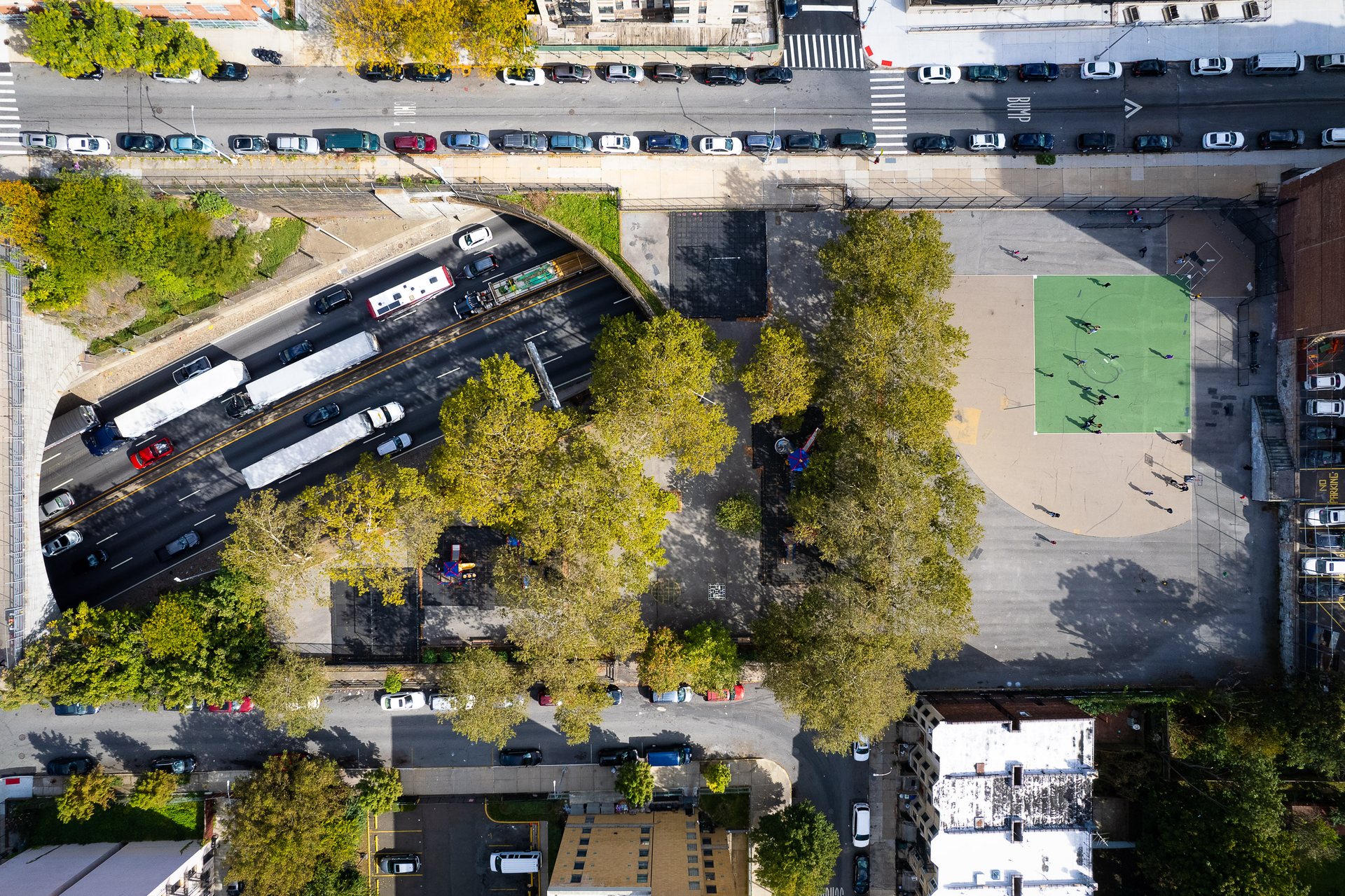
The Cross-Bronx Expressway, another controversial Robert Moses project, was routed north of Crotona Park and through the Tremont neighborhood, severely disrupting the character of the largely Jewish society at the time. Respiratory illnesses along the Cross Bronx run much higher than the average.
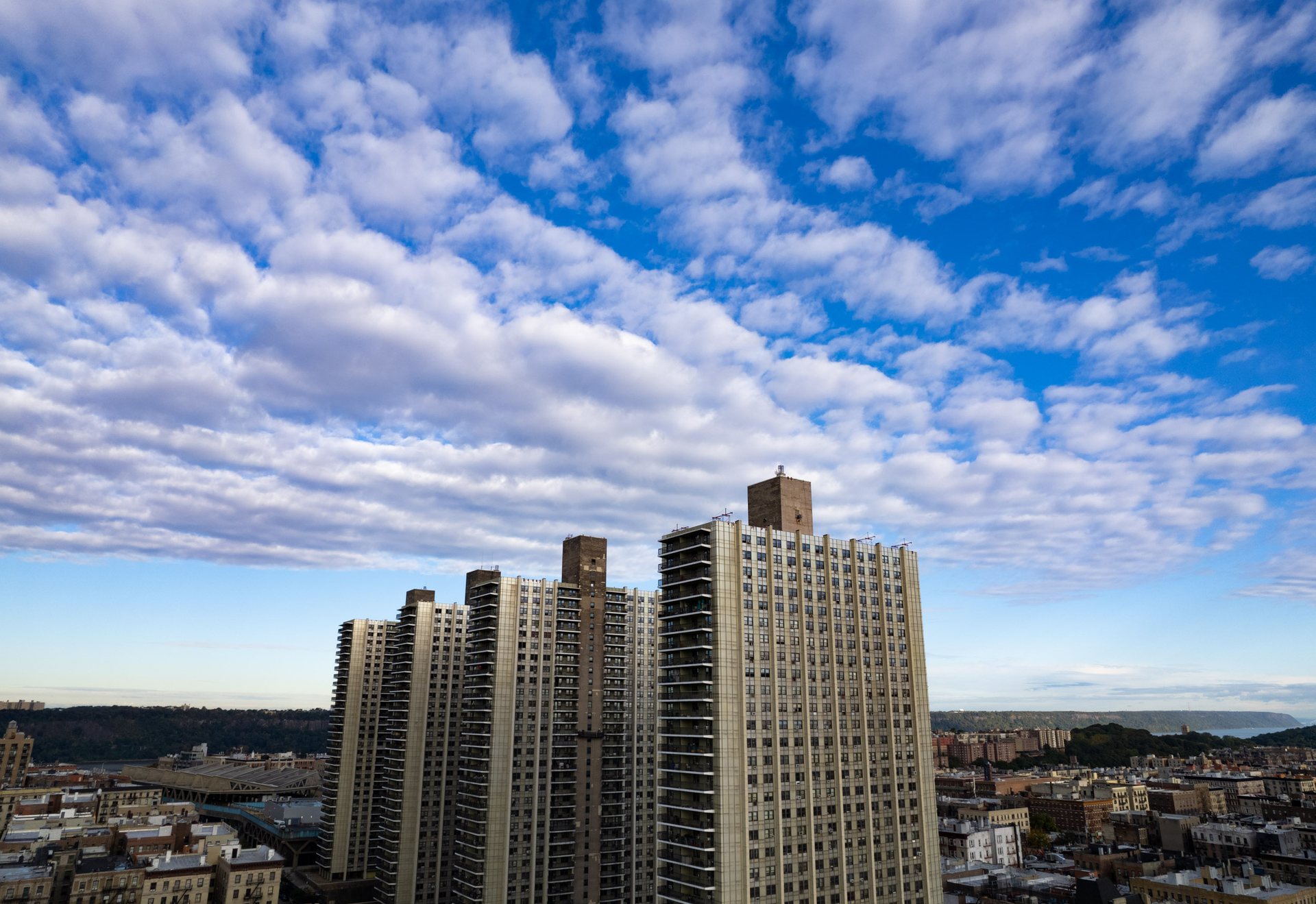
The proud Bridge Apartments, on top of I-95 in Manhattan's Washington Heights neighborhood.
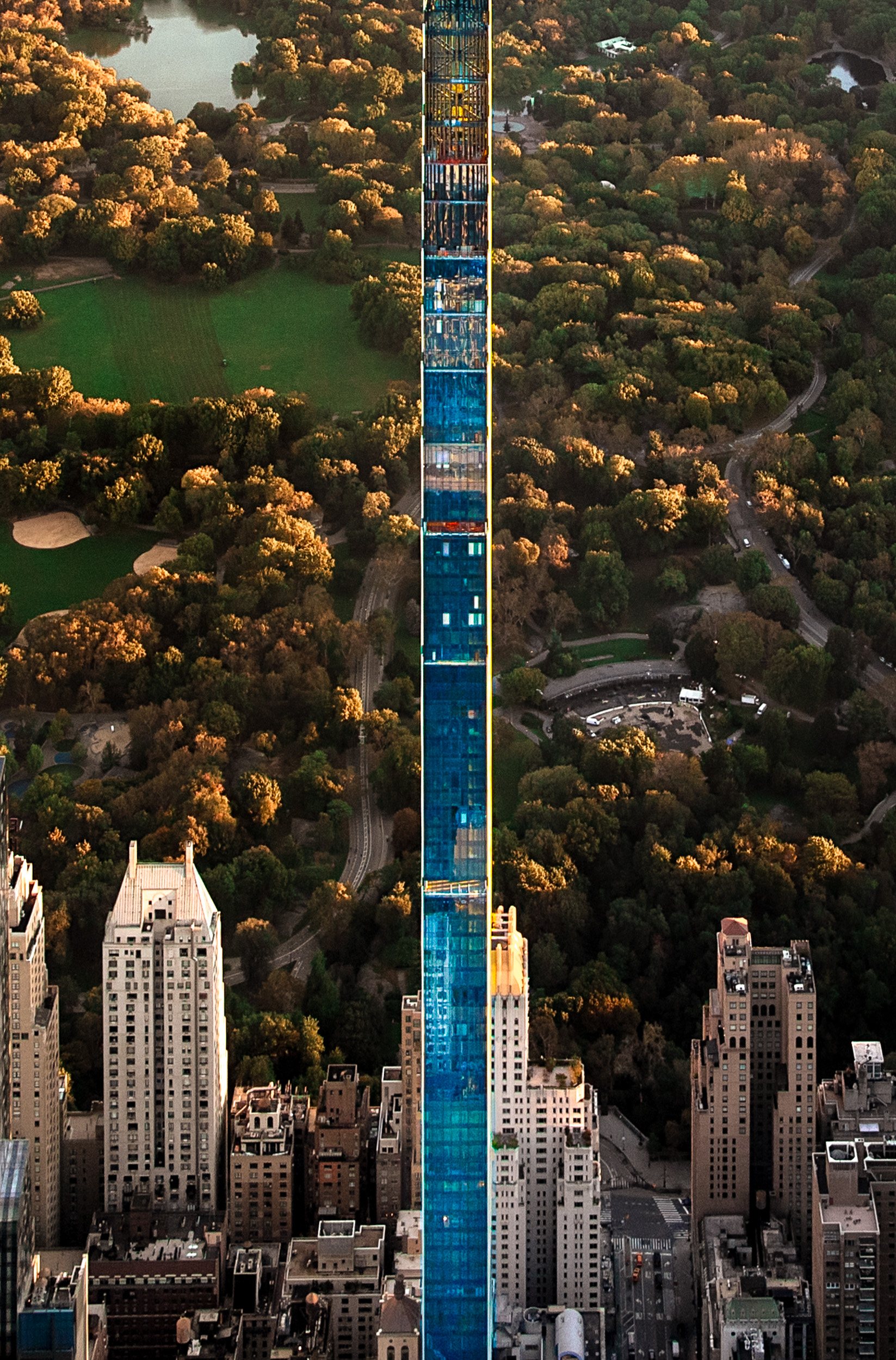
The world's "skinniest skyscraper" at 111 W 57th St. These skinny skyscrapers have come to symbolize the stratospheric luxury property boom of the 2010s.
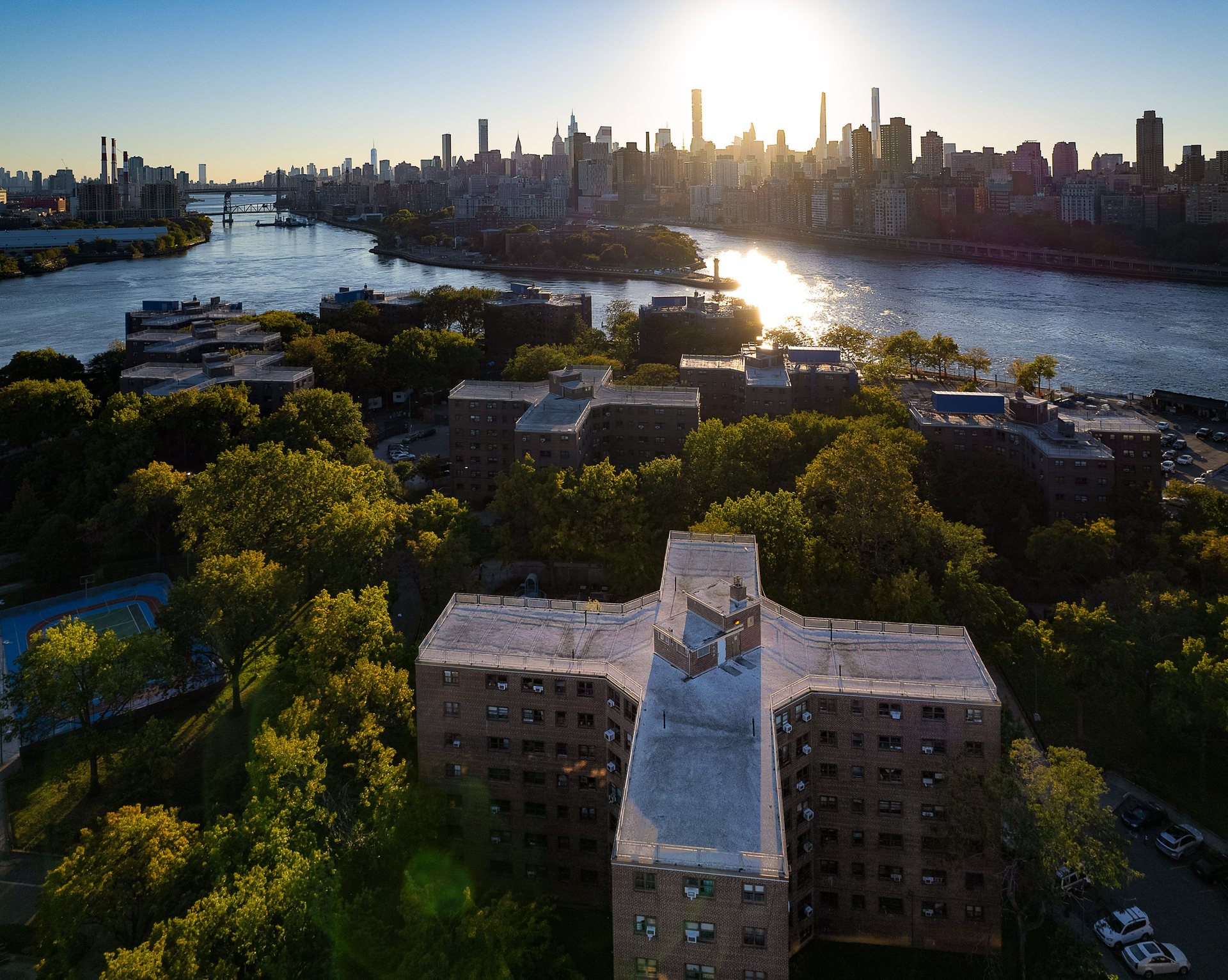
Astoria Houses, public housing overlooking the East River.
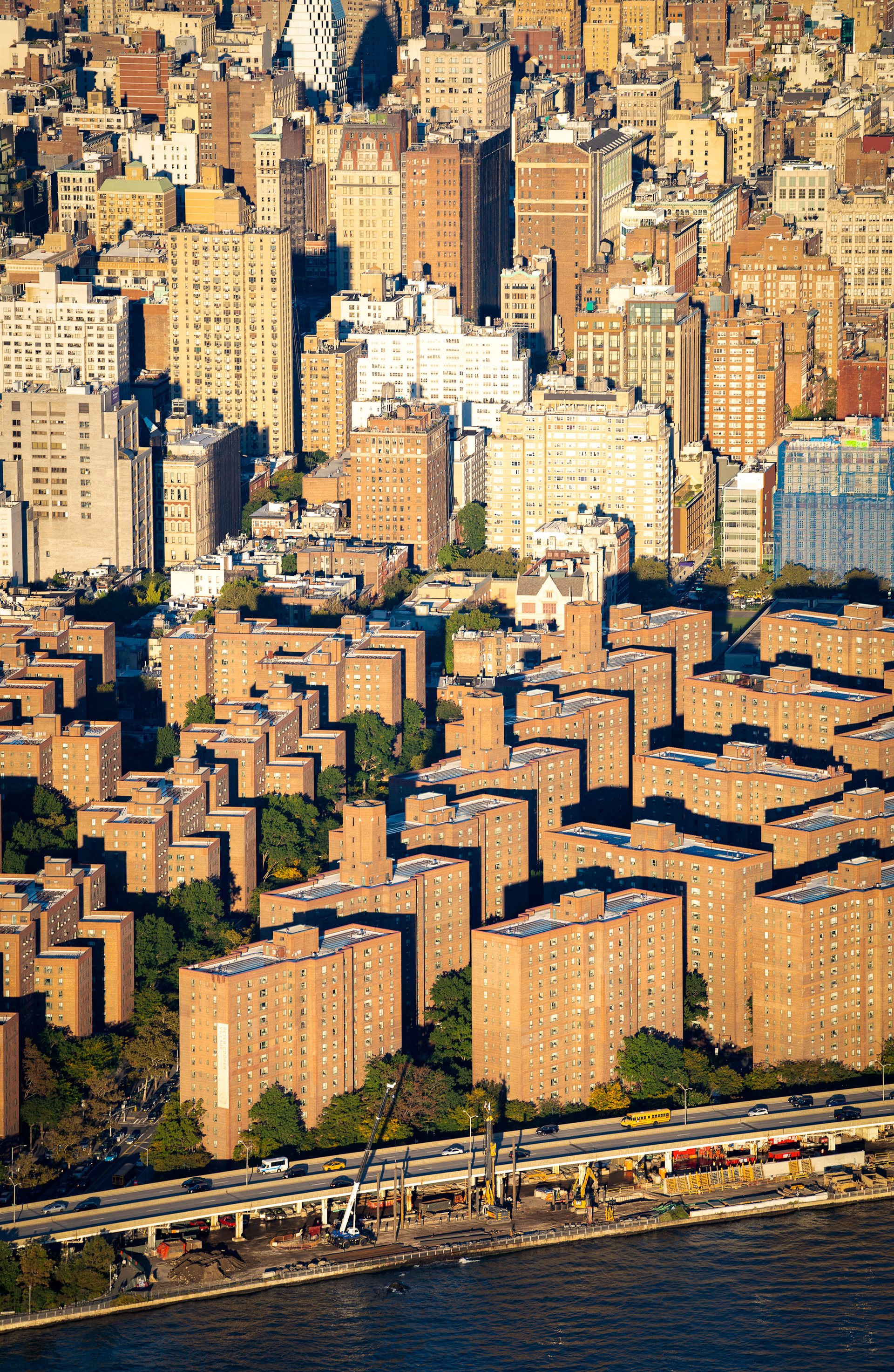
Stuyvesant Town and Peter Cooper Village, a famous private development on Manhattan's east side.
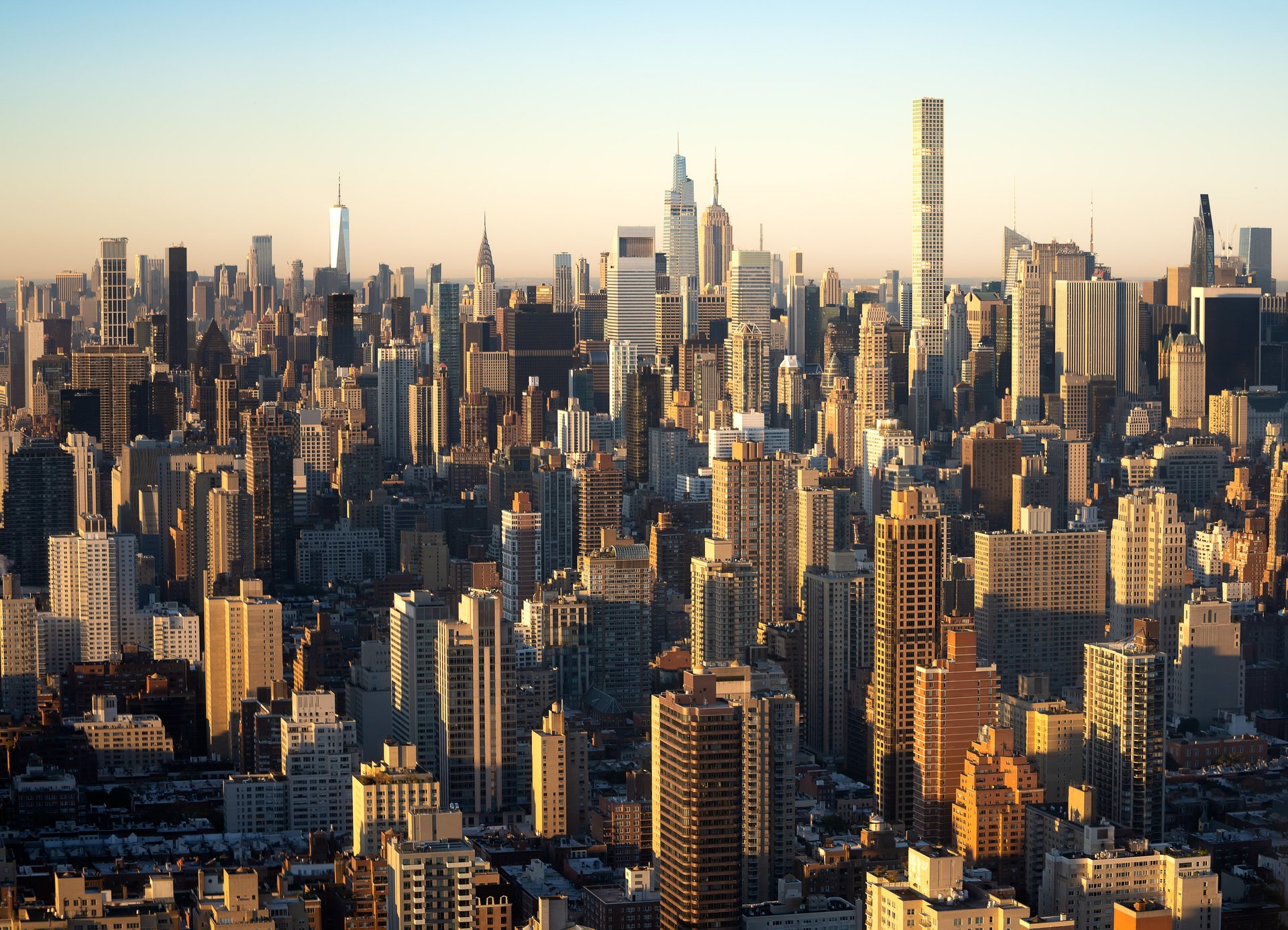
Skyscrapers in Manhattan catching the morning glow.