Pakistan
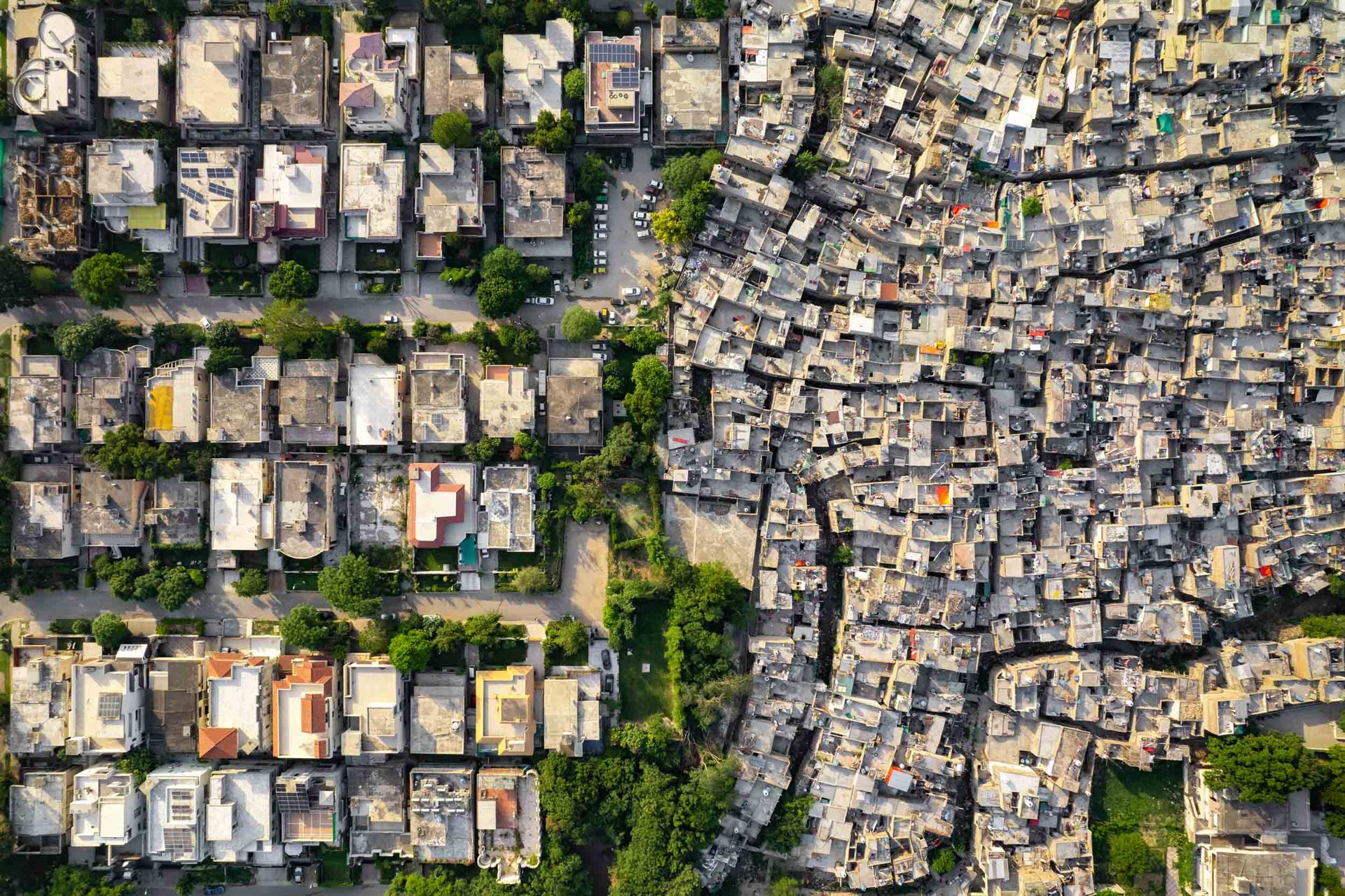
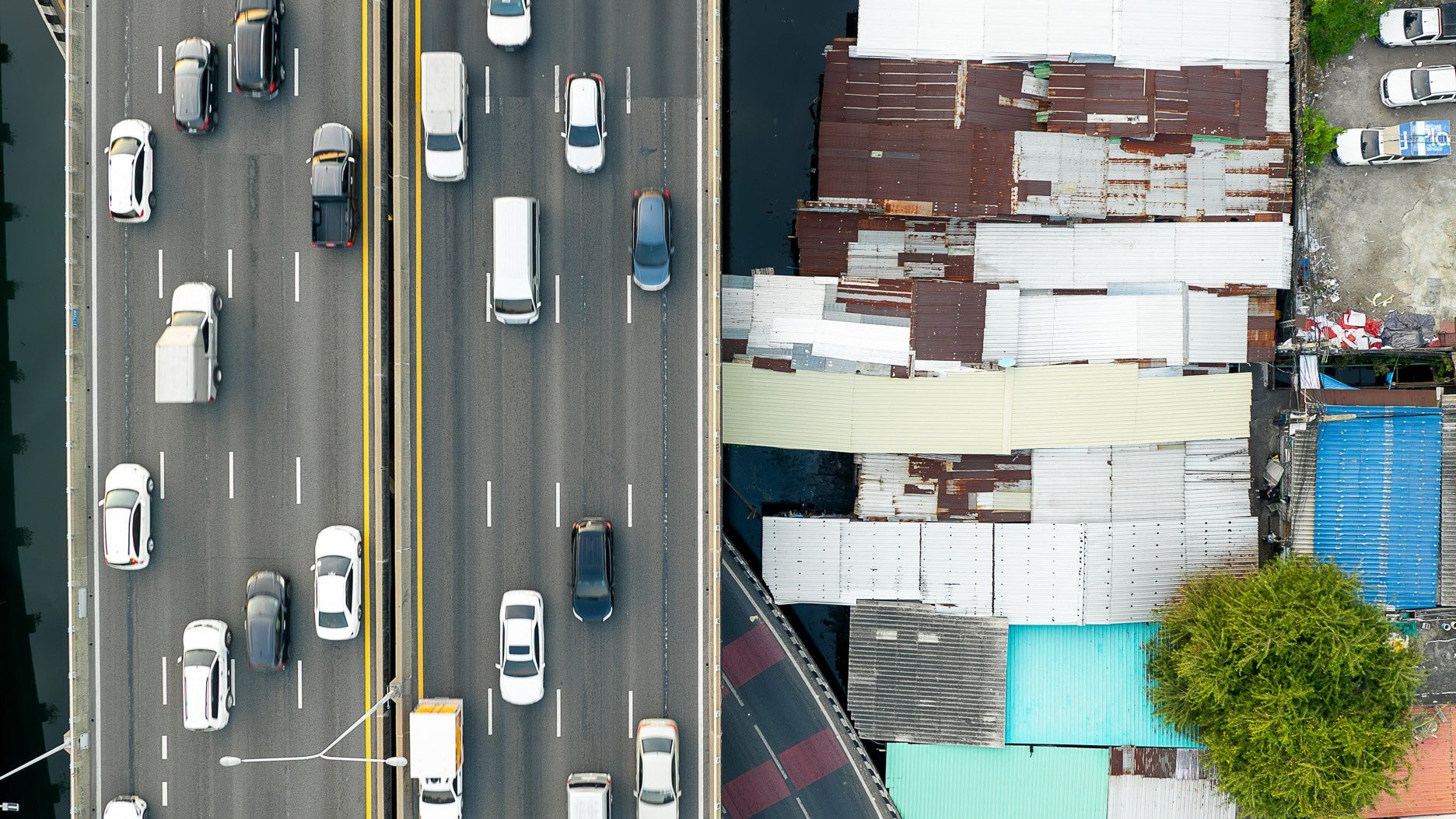
The France Colony, a slum in the wealthy F-7 sector at the centre of Islamabad, is home to several thousand mostly Christian residents. Many work as cleaners, sweepers and sanitation workers for the affluent Muslim households around them, a role Christians were historically settled here to fill. Christians are fewer than two percent of Pakistan's population, and their informal "colonies" in the capital have long been treated as eyesores by city authorities, who have demolished or cleared a number of them, sometimes in openly sectarian terms. France Colony, by contrast, has so far endured, one of the few granted official recognition.
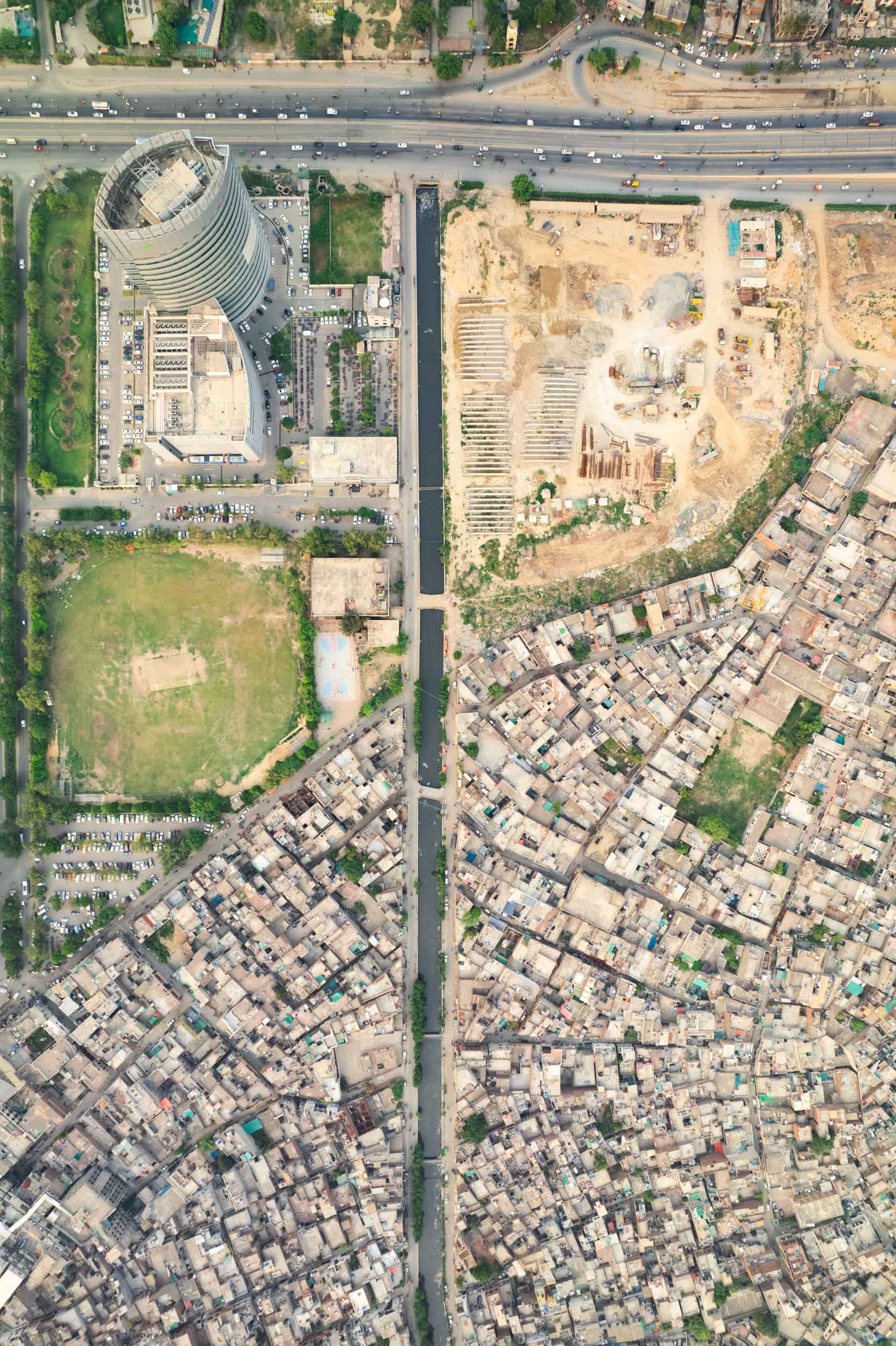
The Arfa Software Technology Park rises over Bahar Colony in Lahore. At 106 metres and seventeen floors, it is the tallest building in the city and Pakistan's largest technology park. It is named for Arfa Karim, a girl from a Punjab village who became the world's youngest Microsoft Certified Professional at nine, was flown to meet Bill Gates at Microsoft's headquarters, and died at just sixteen in 2012. The tower honours her as a symbol of the country's digital promise. The colony at its base, low, dense and self-built, is a reminder of how far that promise has yet to reach.
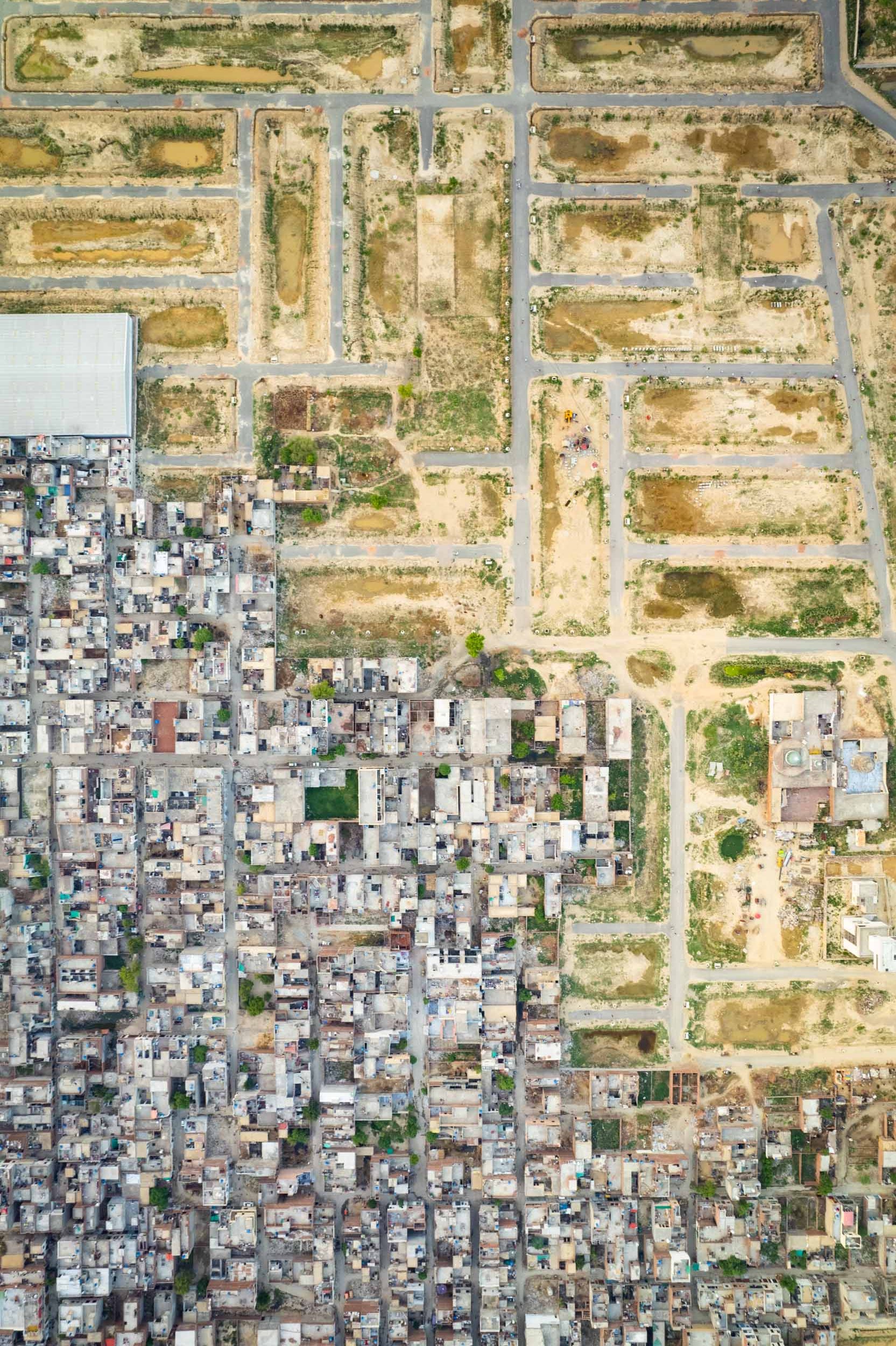
DHA development in Lahore's southeast, fitting in like a jigsaw in a relentless quest for more land.
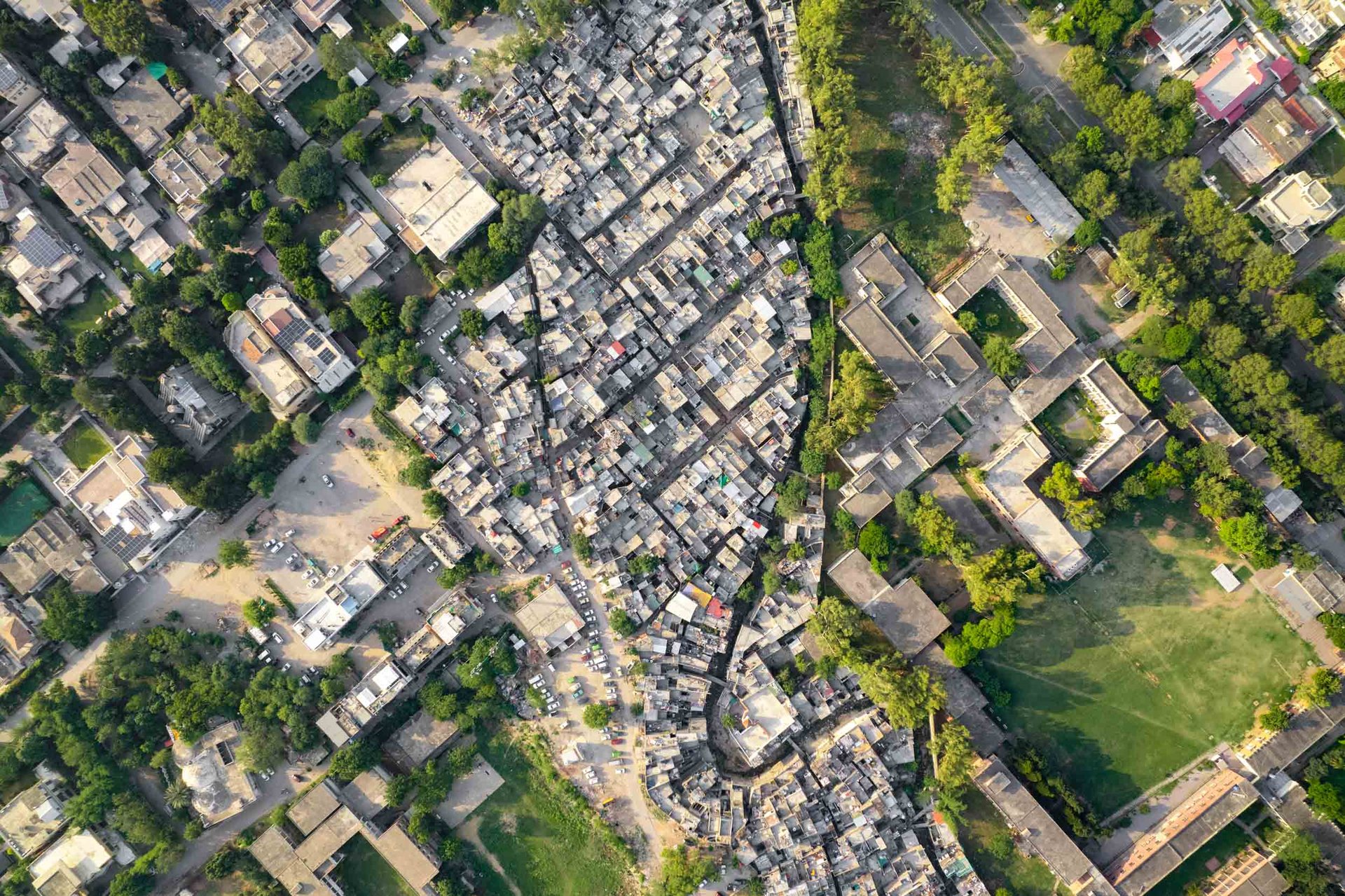
The "100 Quarters" Christian colony in the center of Islamabad.
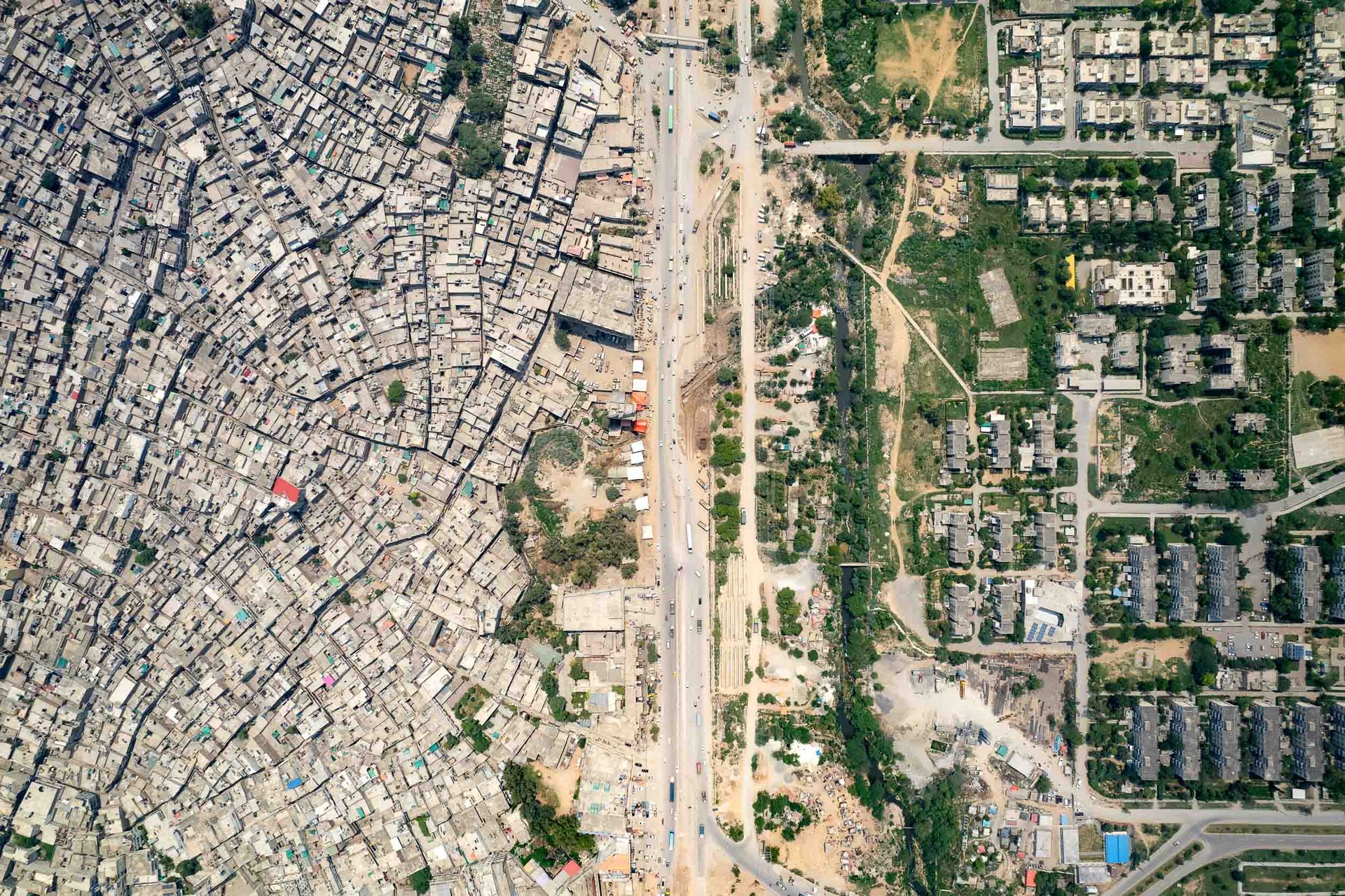
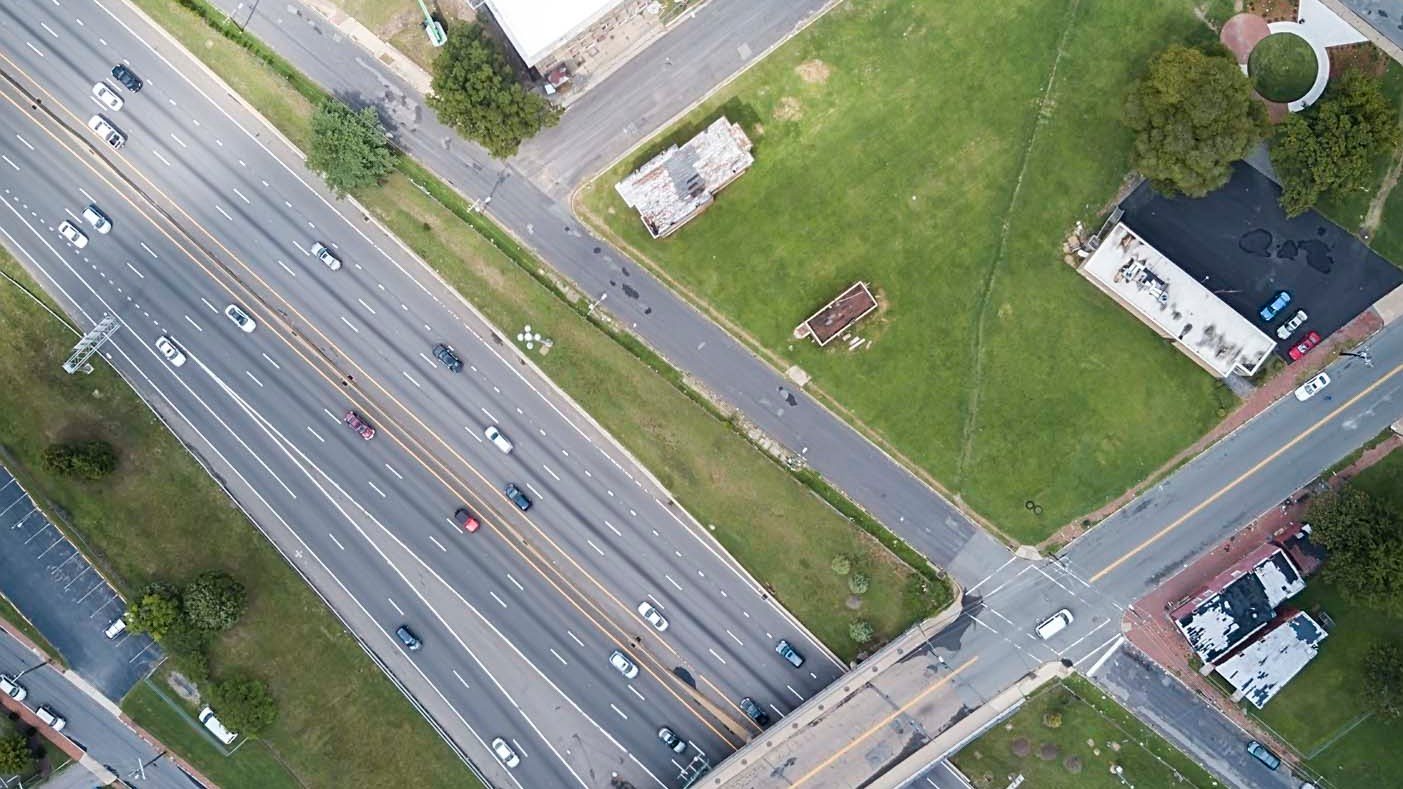
Two cities meet along this line. On the right, Islamabad, built from scratch in the 1960s as Pakistan's planned capital, an ordered grid of sectors against the Margala Hills. On the left, the older Rawalpindi, grown organically into a dense weave of narrow streets and bazaars. Bound together as the "twin cities," they were planned and funded separately, and from the air the seam between them is unmistakable.
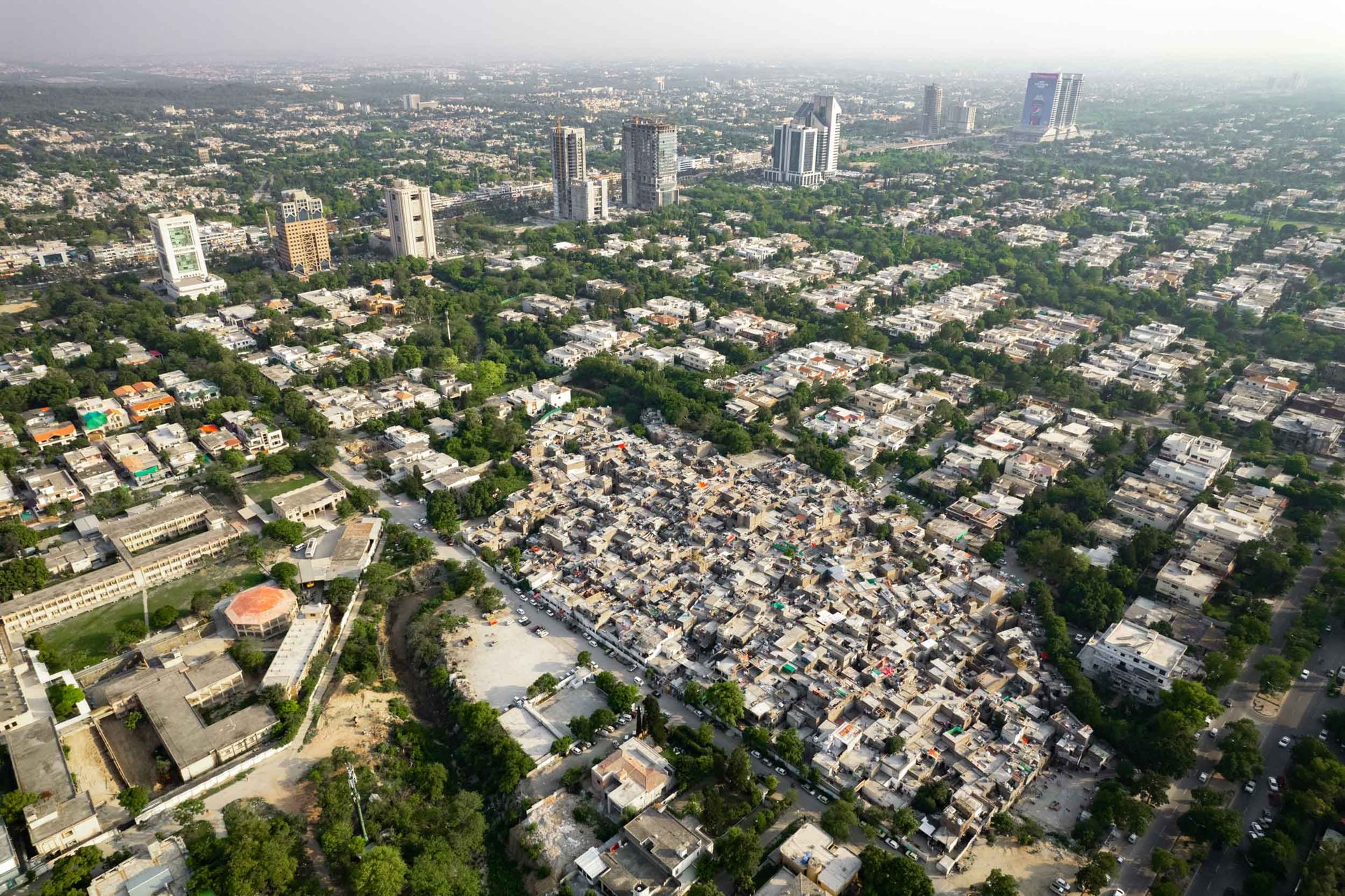
"France Colony", a Christian slum much poorer than the surrounding, planned city of Islamabad.
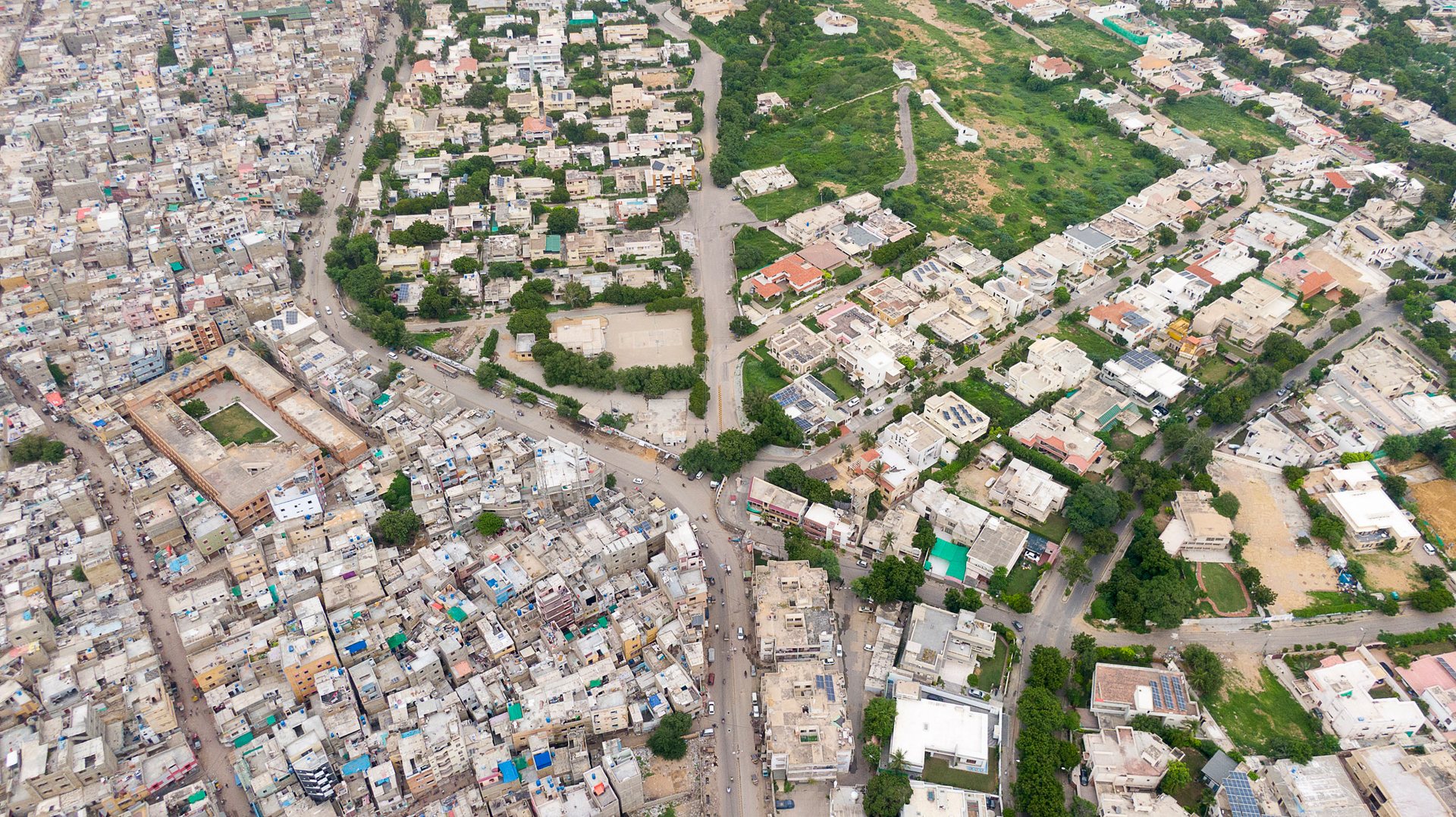
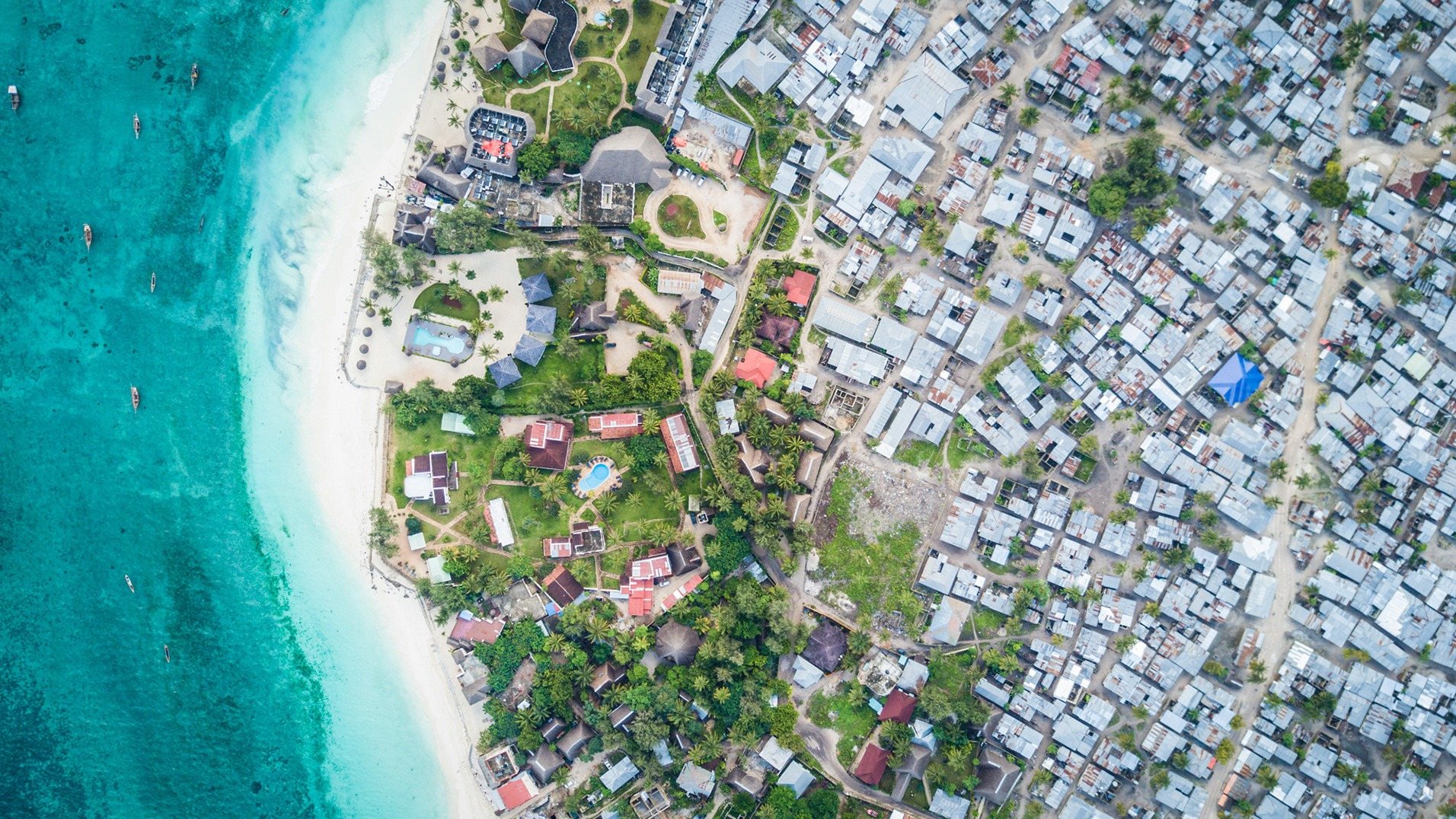
Two Karachis meet at this line in the city's east. On one side, the dense, partly informal lanes of Chanesar Goth, one of the old goths, the indigenous village settlements that the modern city grew up around, home to working families of modest means. On the other, the ordered, leafy ground of the walled Parsi Colony, where the Tower of Silence stands. There the small, historically prosperous Parsi community lays out its dead in the open, a Zoroastrian rite now among the last of its kind, as the vultures that once consumed the bodies have all but disappeared.
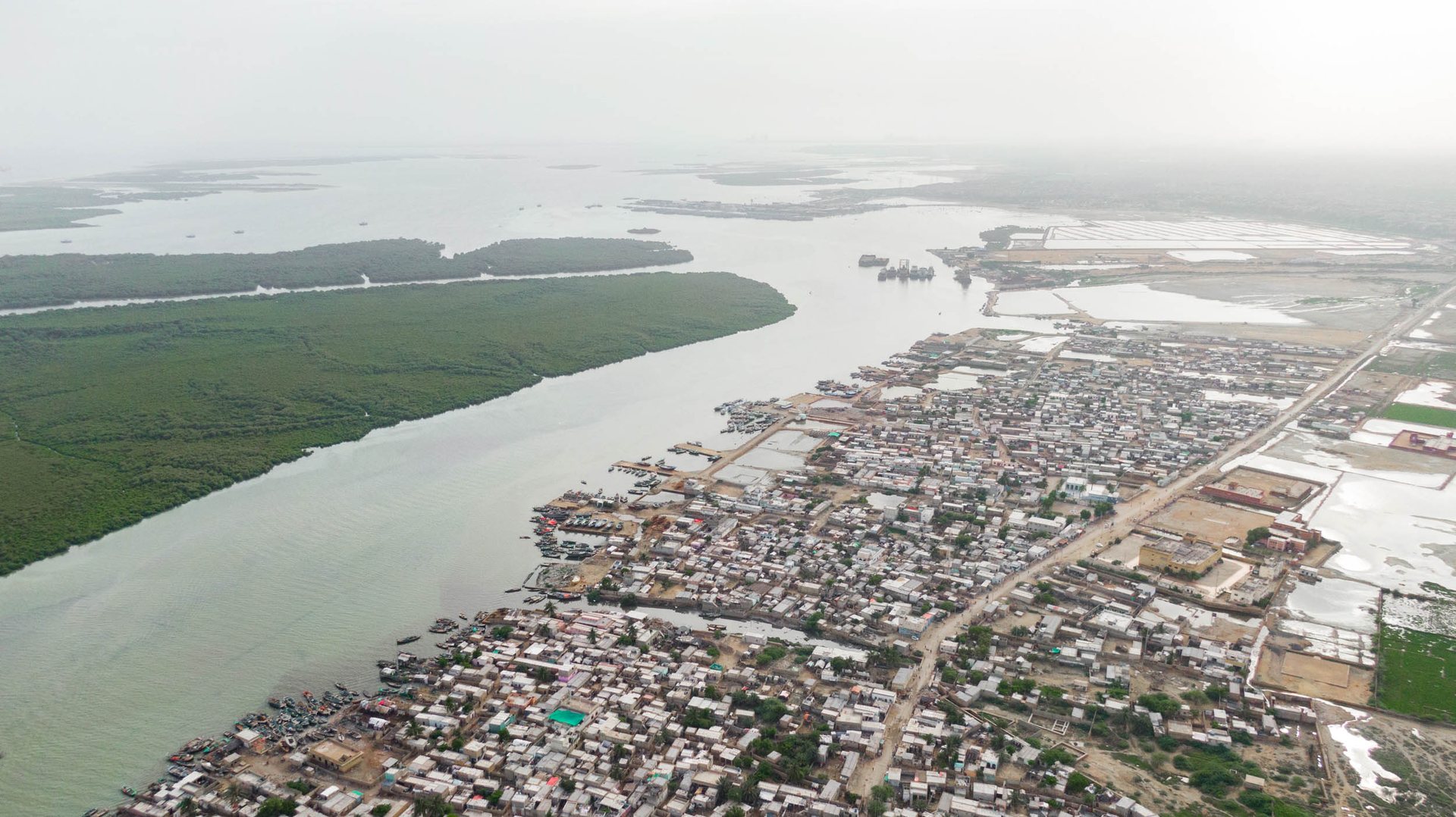
Karachi's sprawl extends to the edge of the Indus River delta, a massive biodiversity hotspot steadily being reduced by climate change and human activity along its edges.
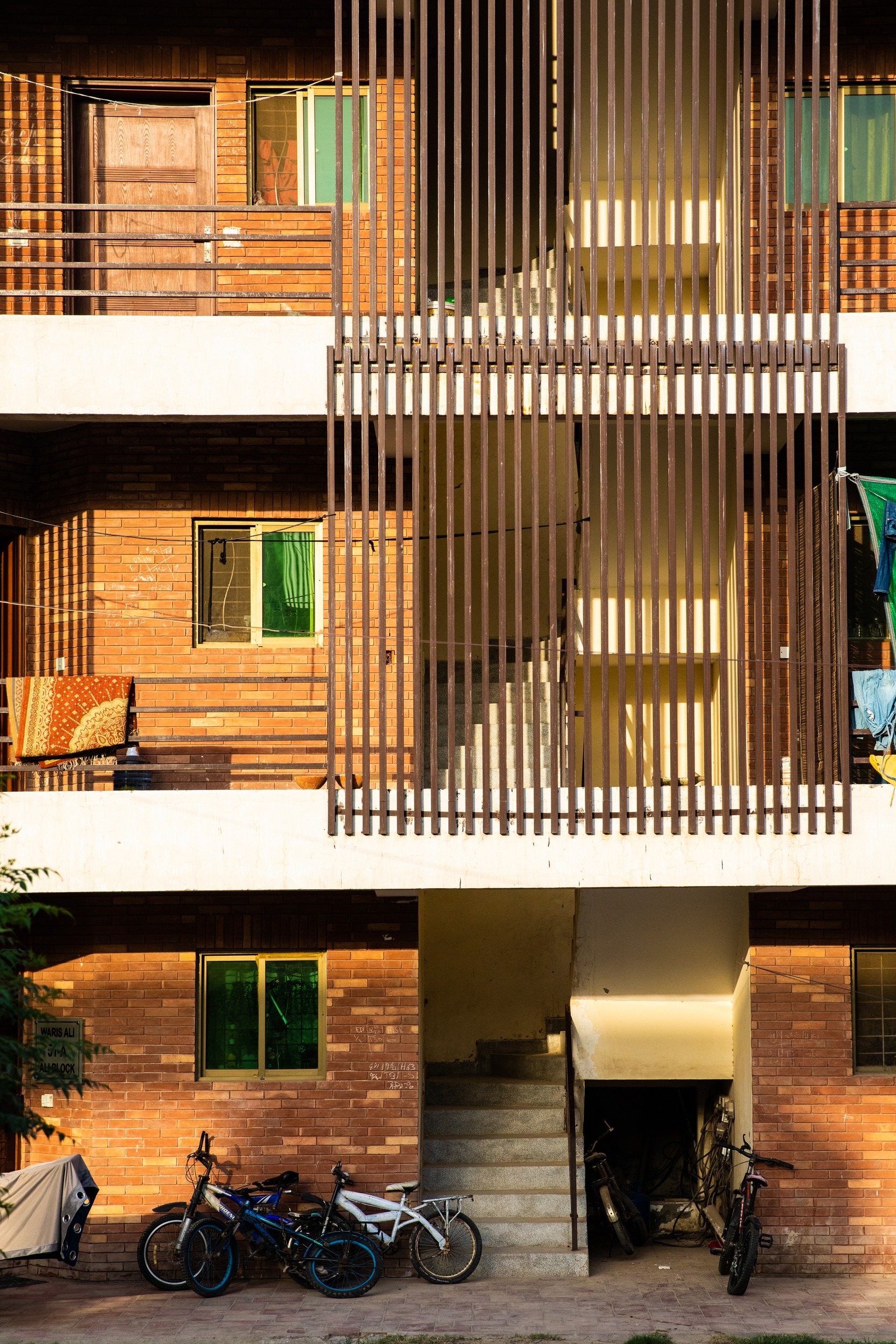
New, affordable homes being built in Lahore to address the housing challenges for a huge and growing lower middle class population.
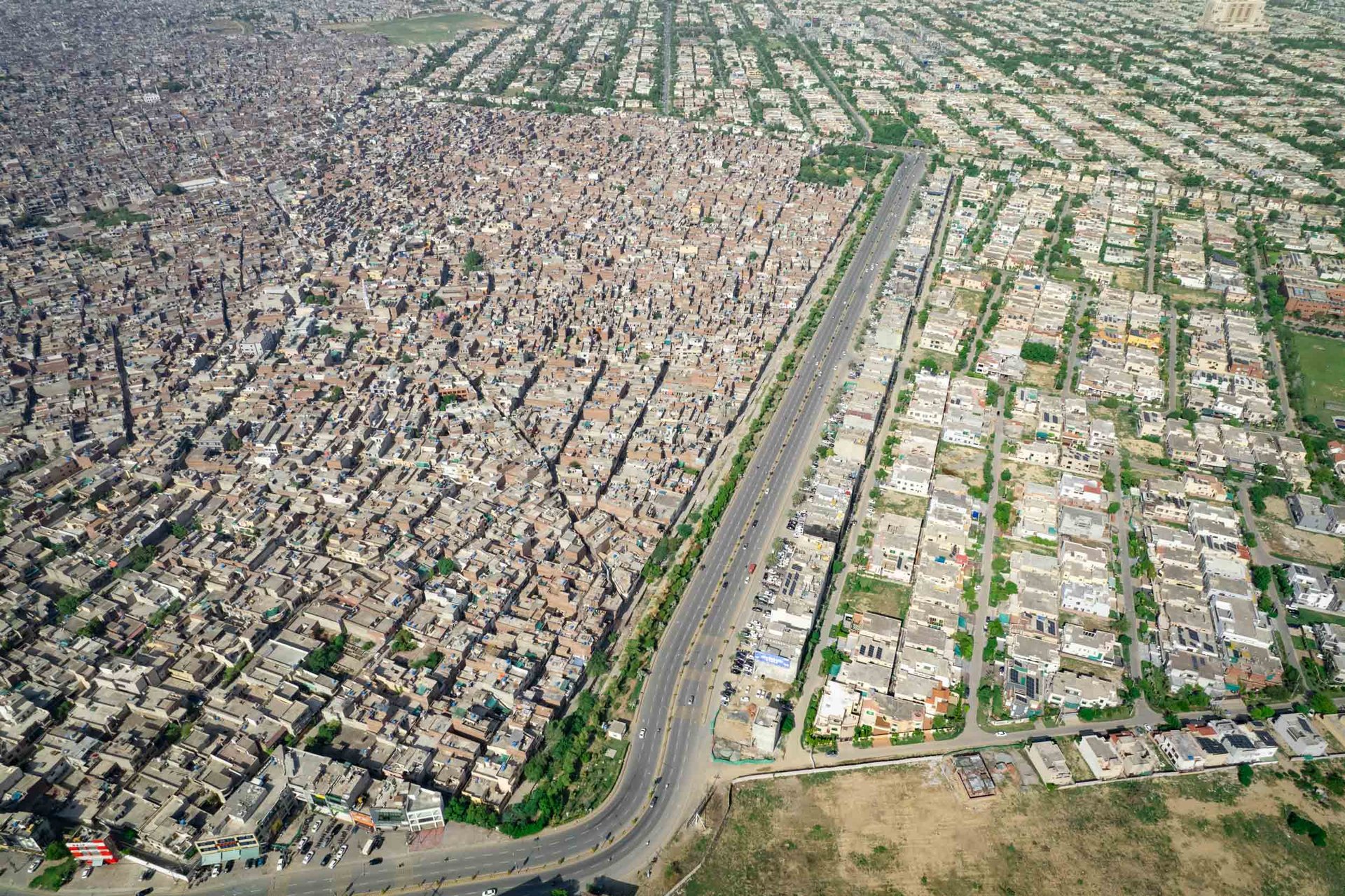
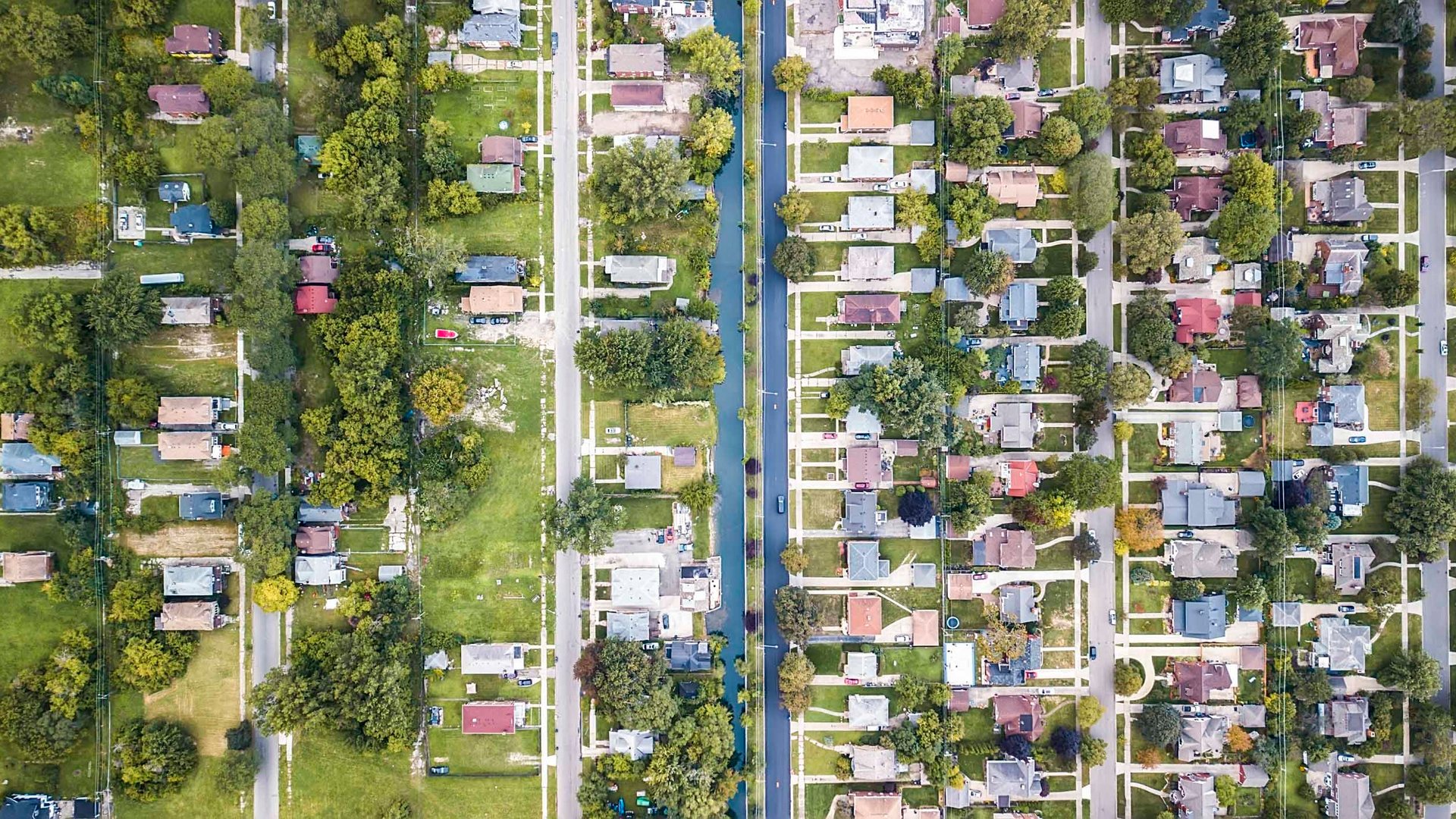
DHA, the Defence Housing Authority, is among the most sought-after addresses in Lahore. It is also a creation of the Pakistan Army, a military-run developer that began in 1975 as housing for officers and now shapes a vast share of the city, its planned phases marching steadily outward across the landscape. The contrast is sharp at the edges. Wide roads, checkpoints and watchful security separate DHA's gridded plots from the older, denser and far poorer neighbourhoods around them, much of it traditional Lahore that the new developments press against and, at times, absorb.
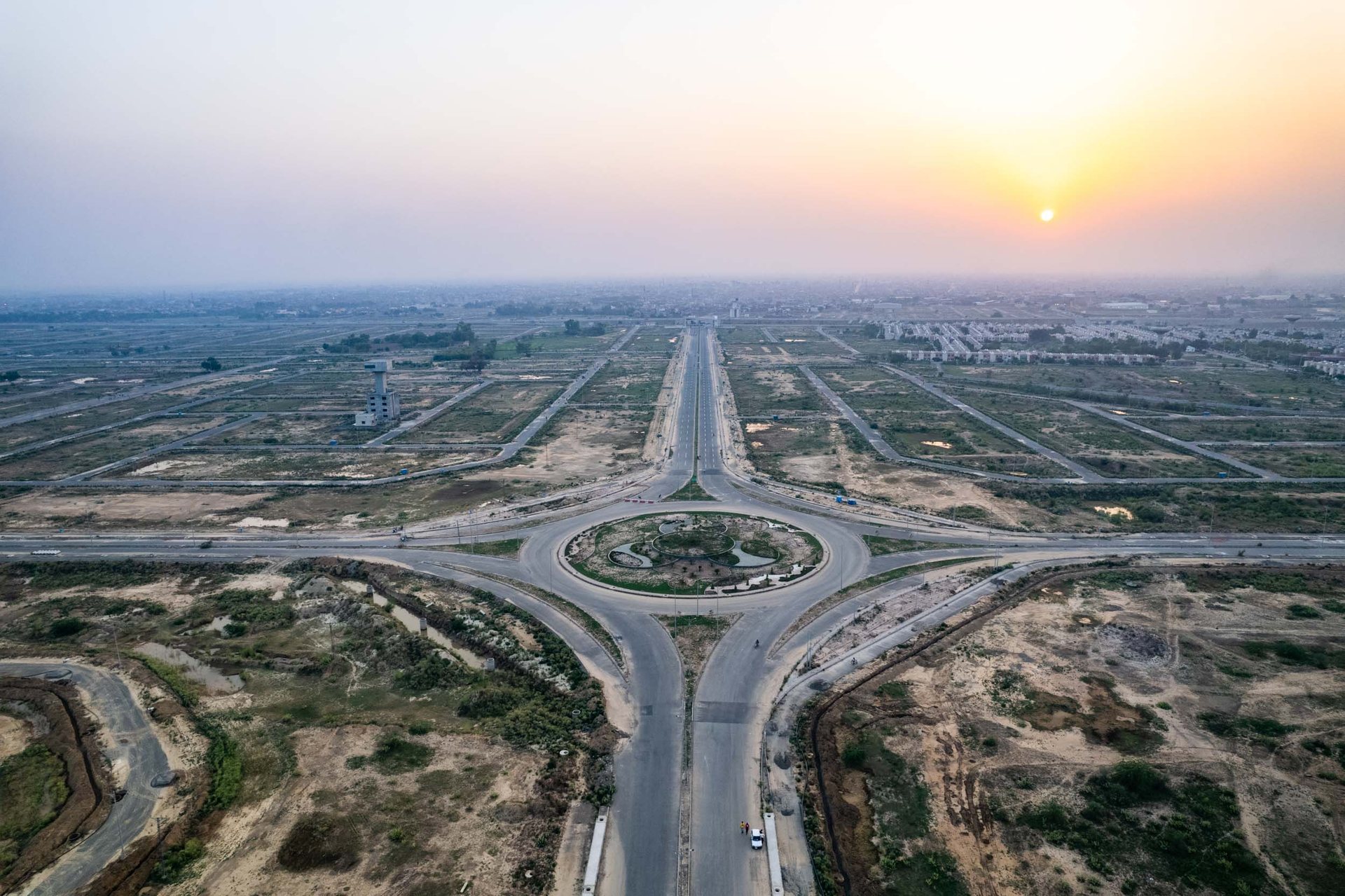
A new DHA (Defence Housing Authority) development in the south of Lahore. Massive areas of the city are being formalized for the insatiable need to provide housing for Pakistan's lower and middle classes, looking to escape the country and move to the big cities. Dozens of cricket games are played every night on these empty streets, which will soon be bursting with residents.
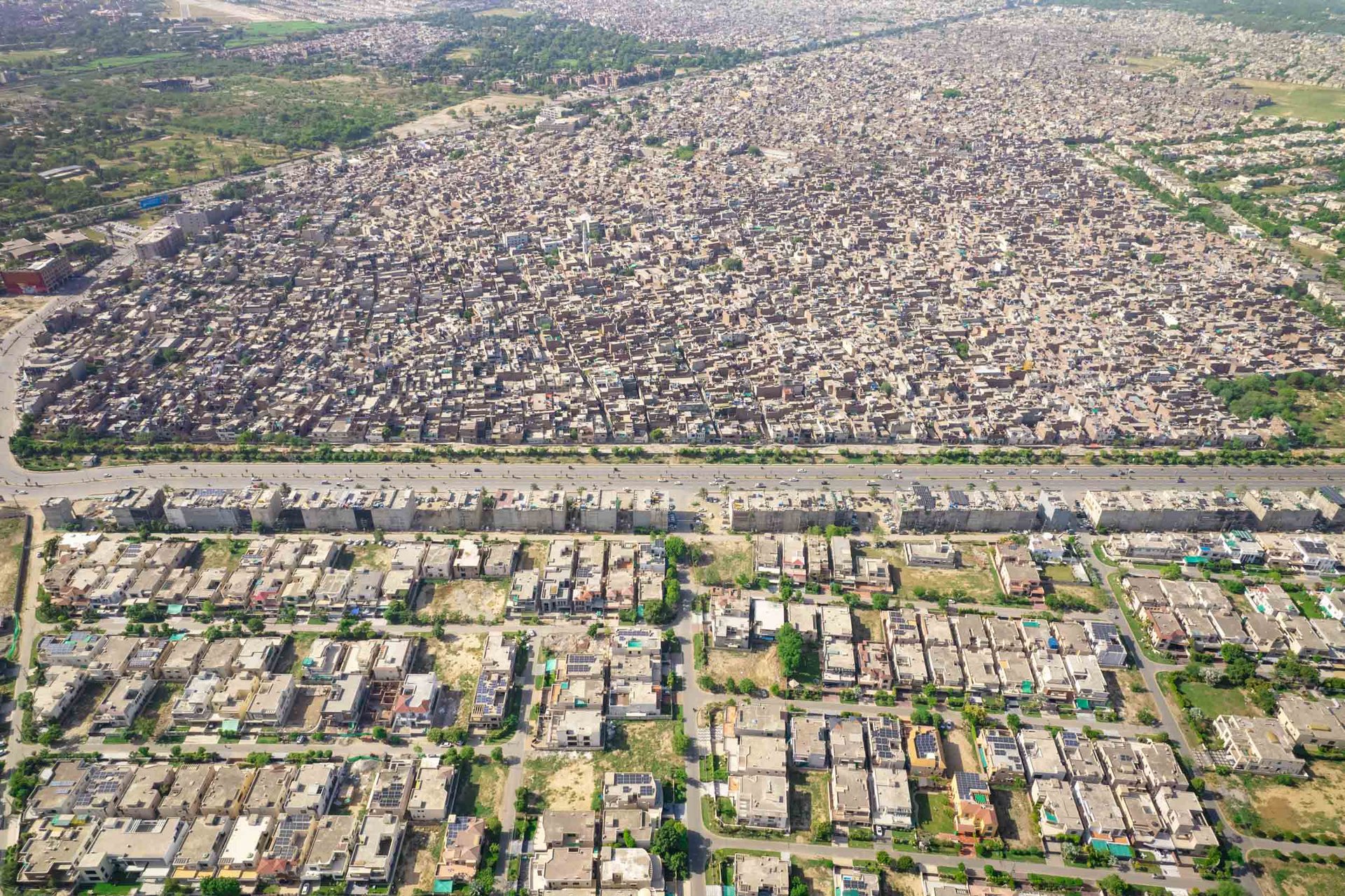
While inequality may not be as pronounced as its neighbor India, Pakistan still has a higher concentration of wealth in the top 10% than many OECD countries, and high rates of gender, sexual identity, and environmental inequality. As the country struggles with an economic crisis and most recently, devastating floods, the outlook remains challenging even as the security situation steadily improves.
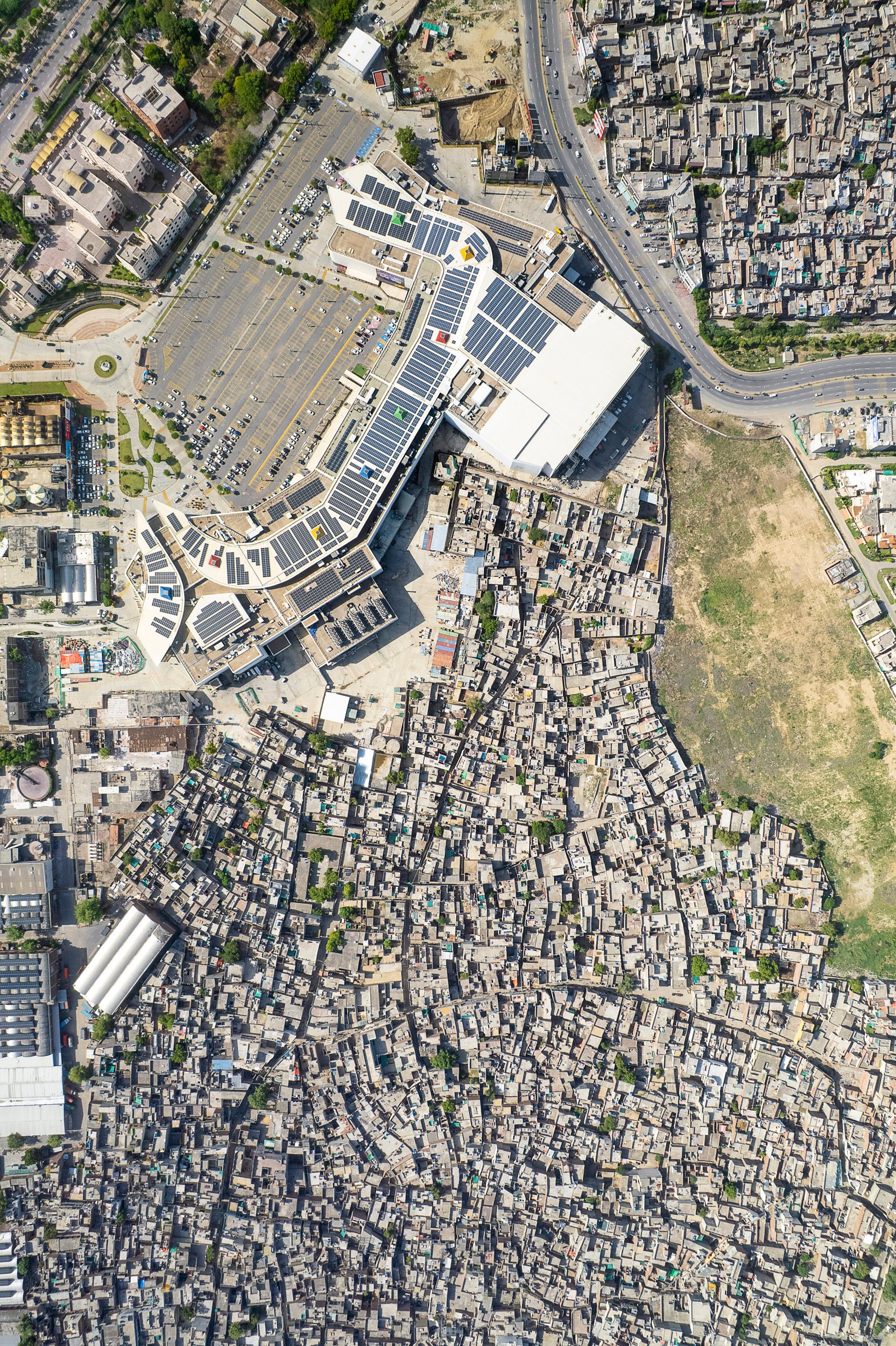
Packages Mall, one of the largest shopping malls in Pakistan, sits on Lahore's Ferozepur Road, near the working-class neighbourhood of Chungi Amar Sidhu.
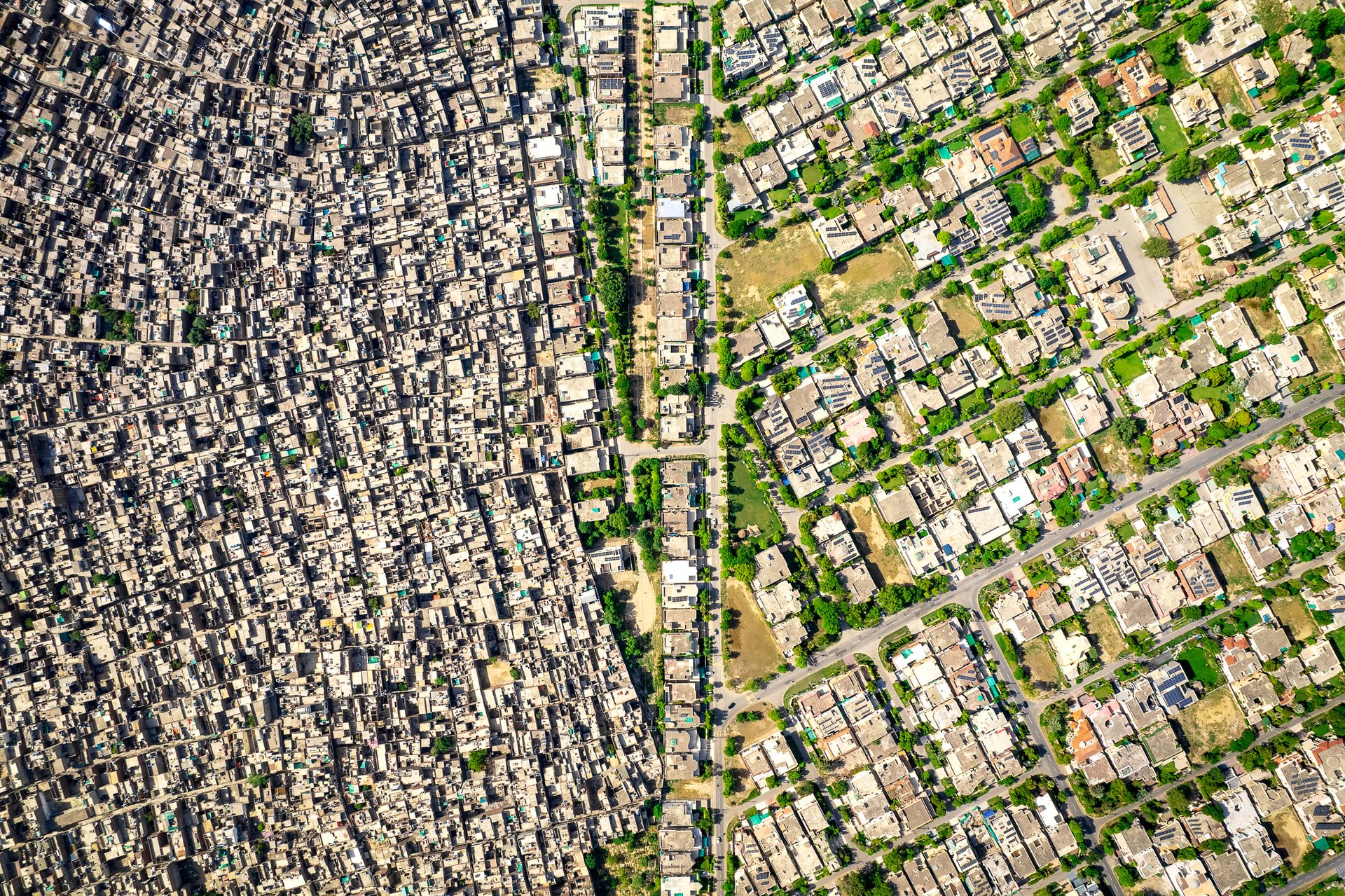
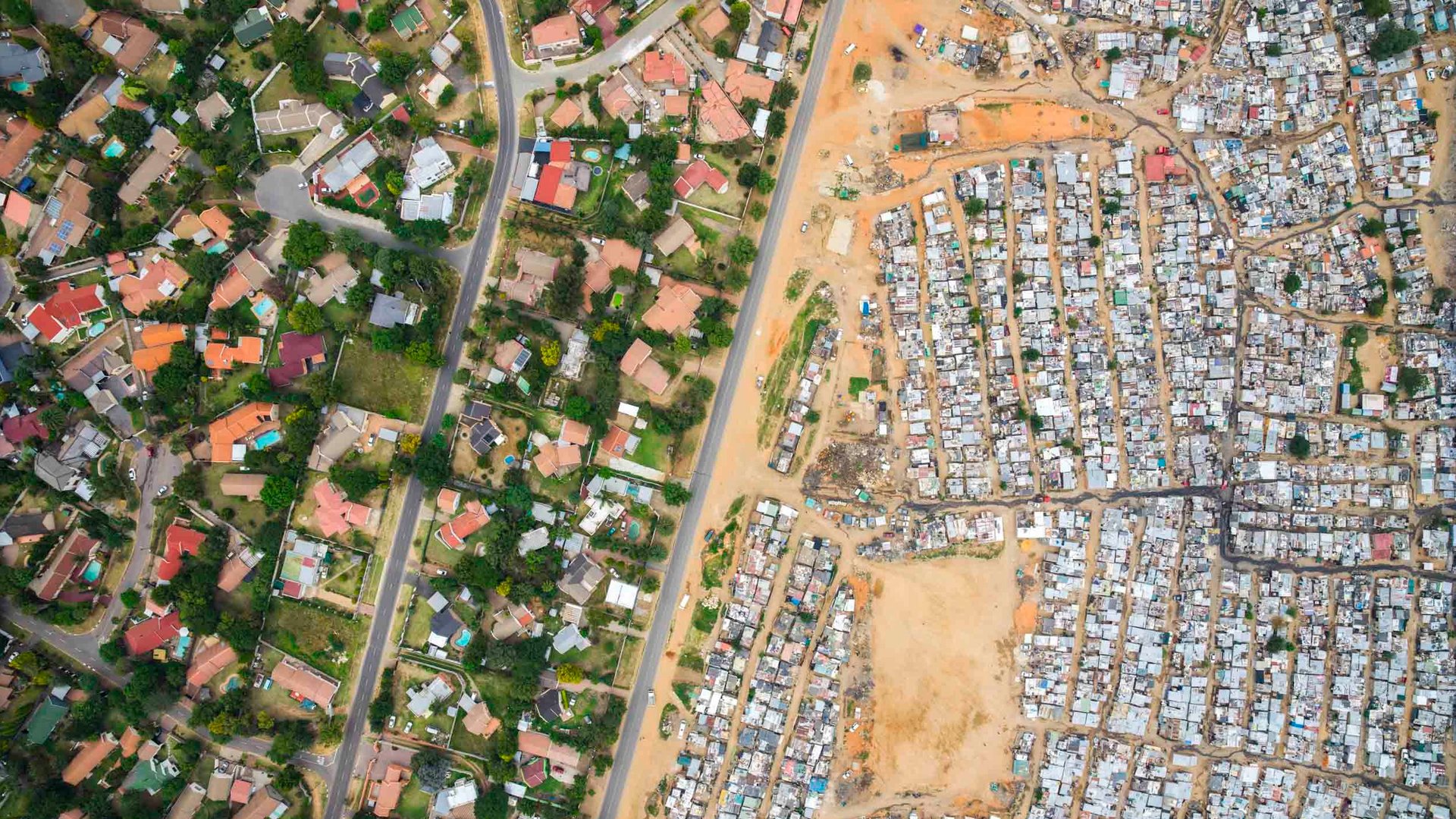
The extreme difference between the classes in Lahore.
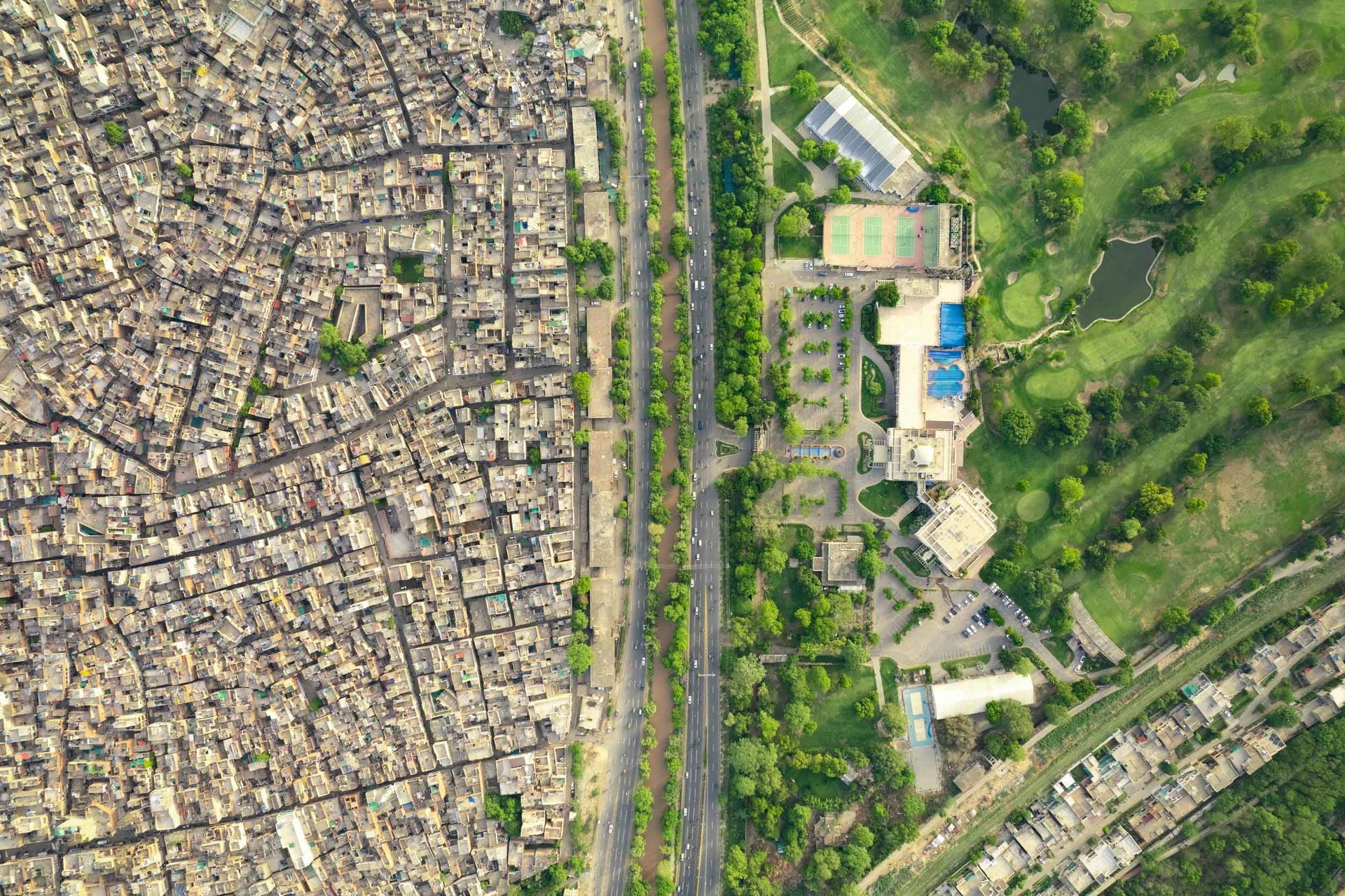
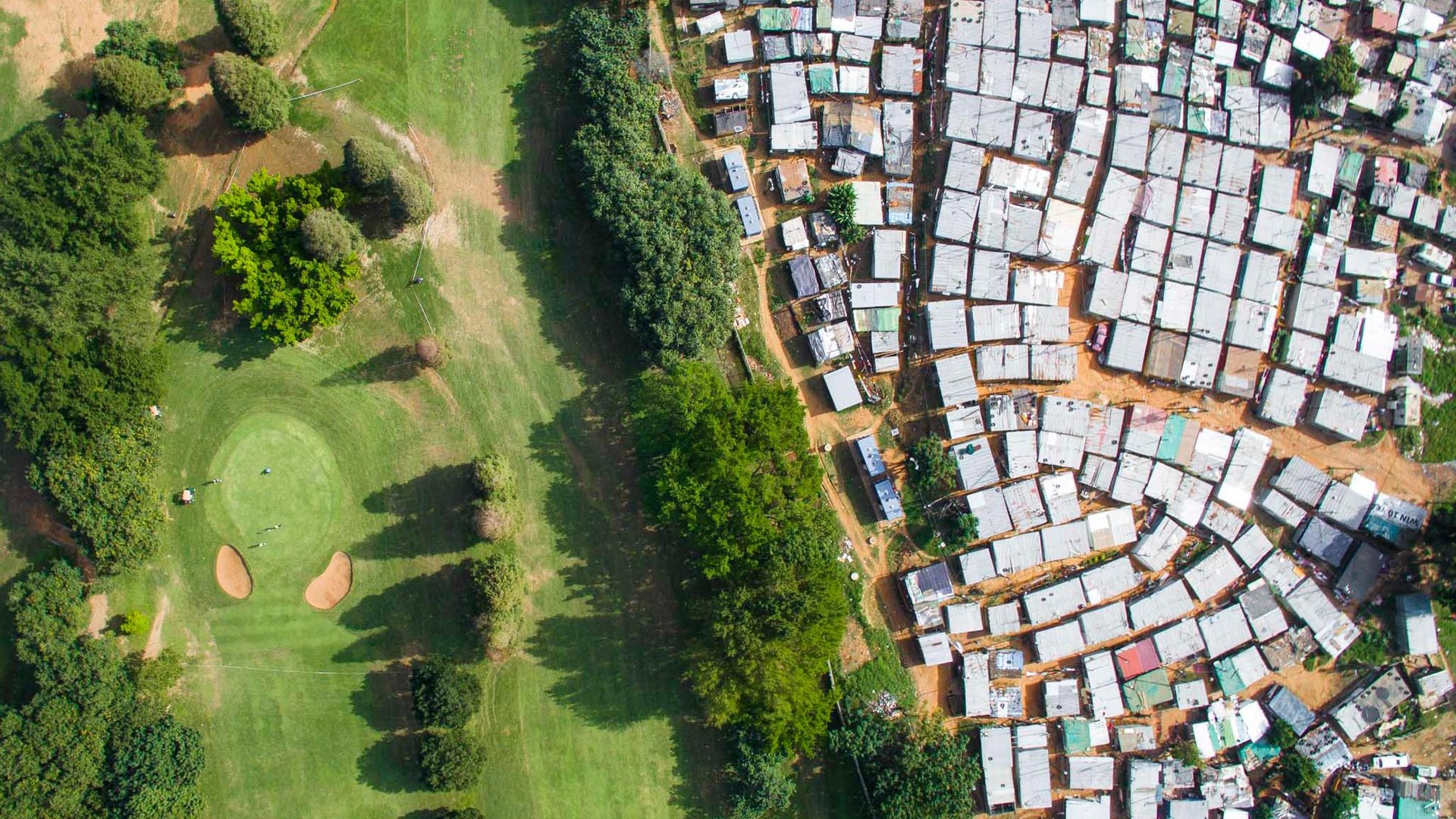
The Royal Palm Golf and Country Club, Lahore.
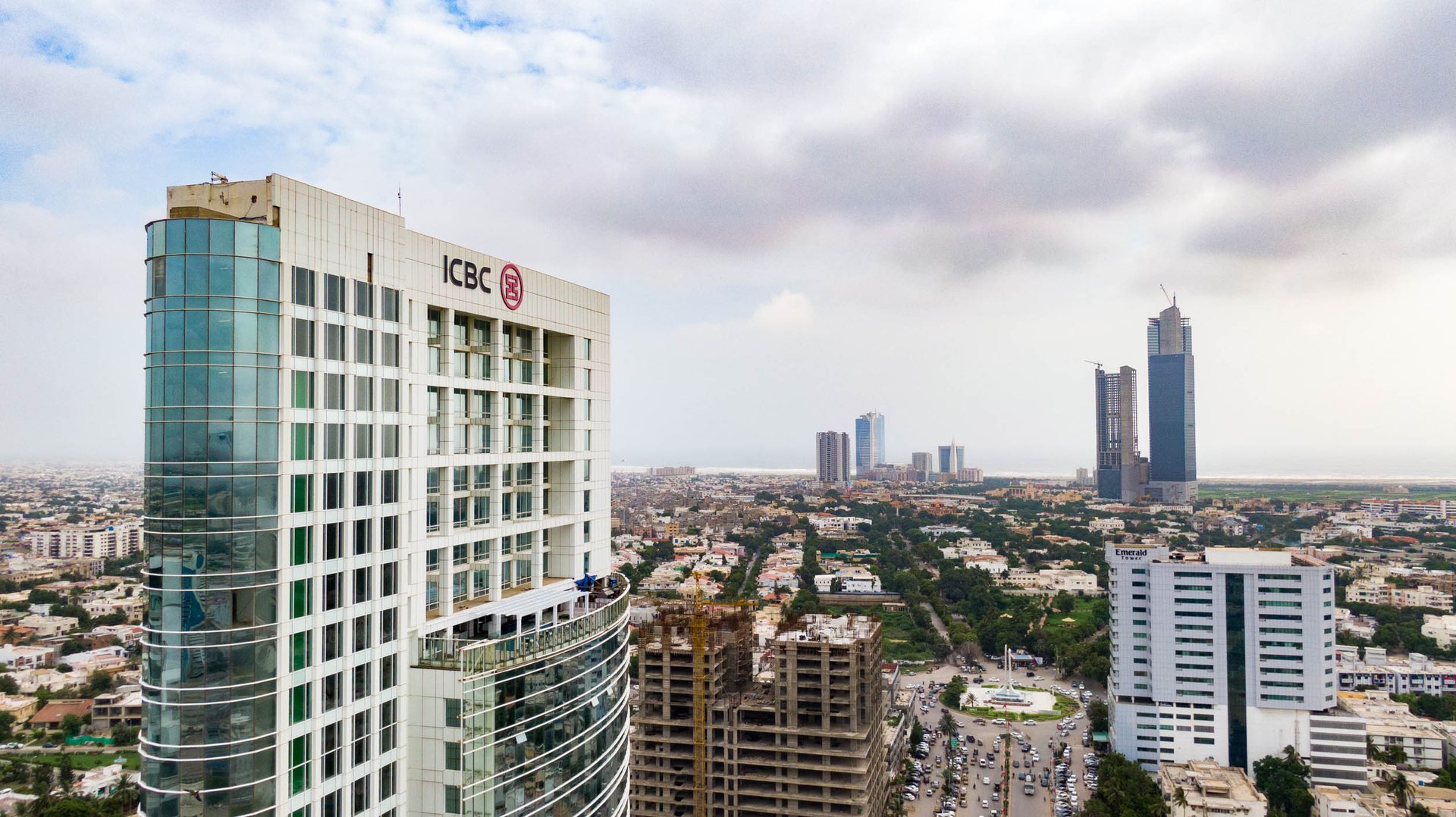
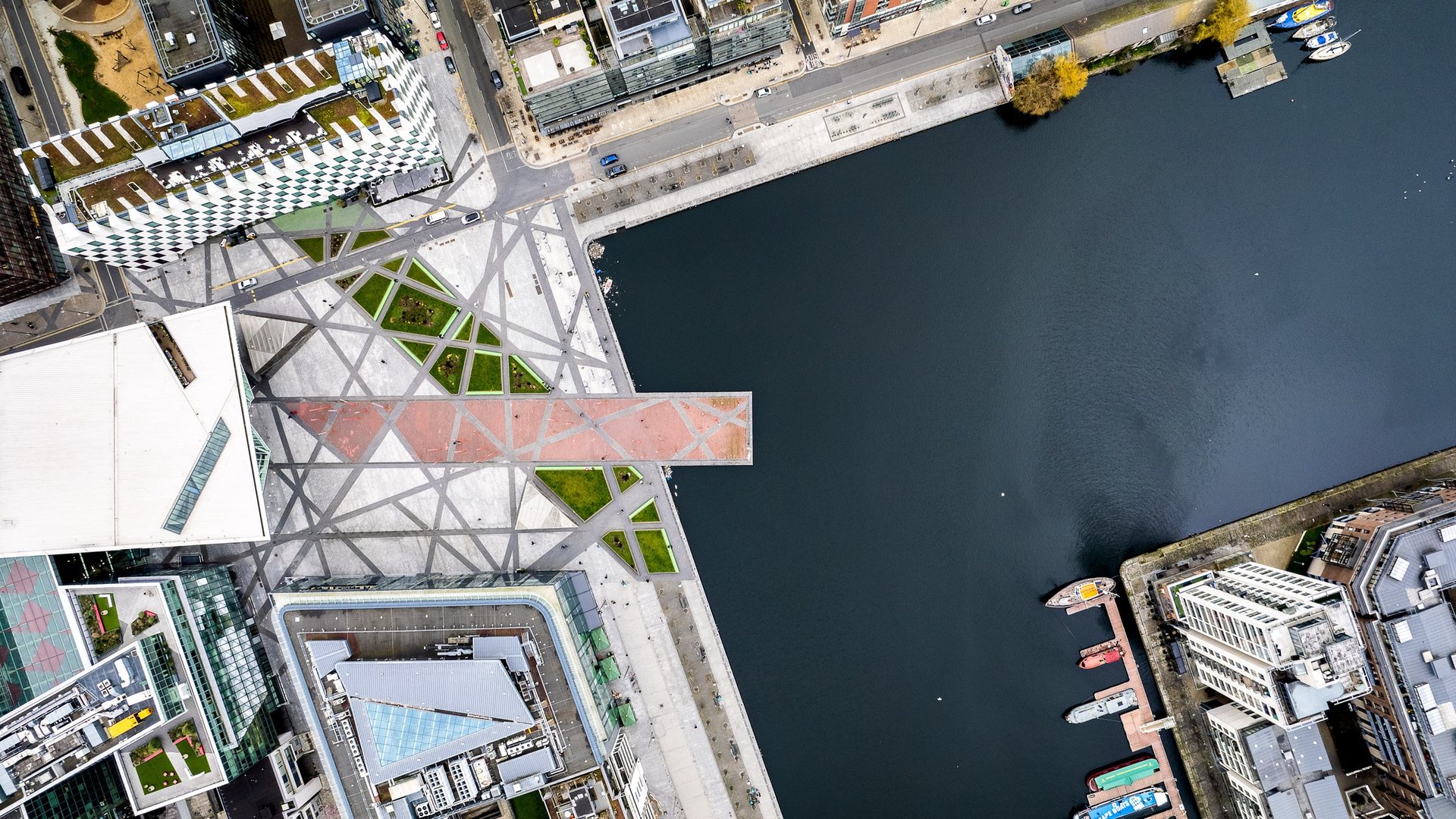
Chinese banks dot the sky in Karachi, Pakistan's economic hub.
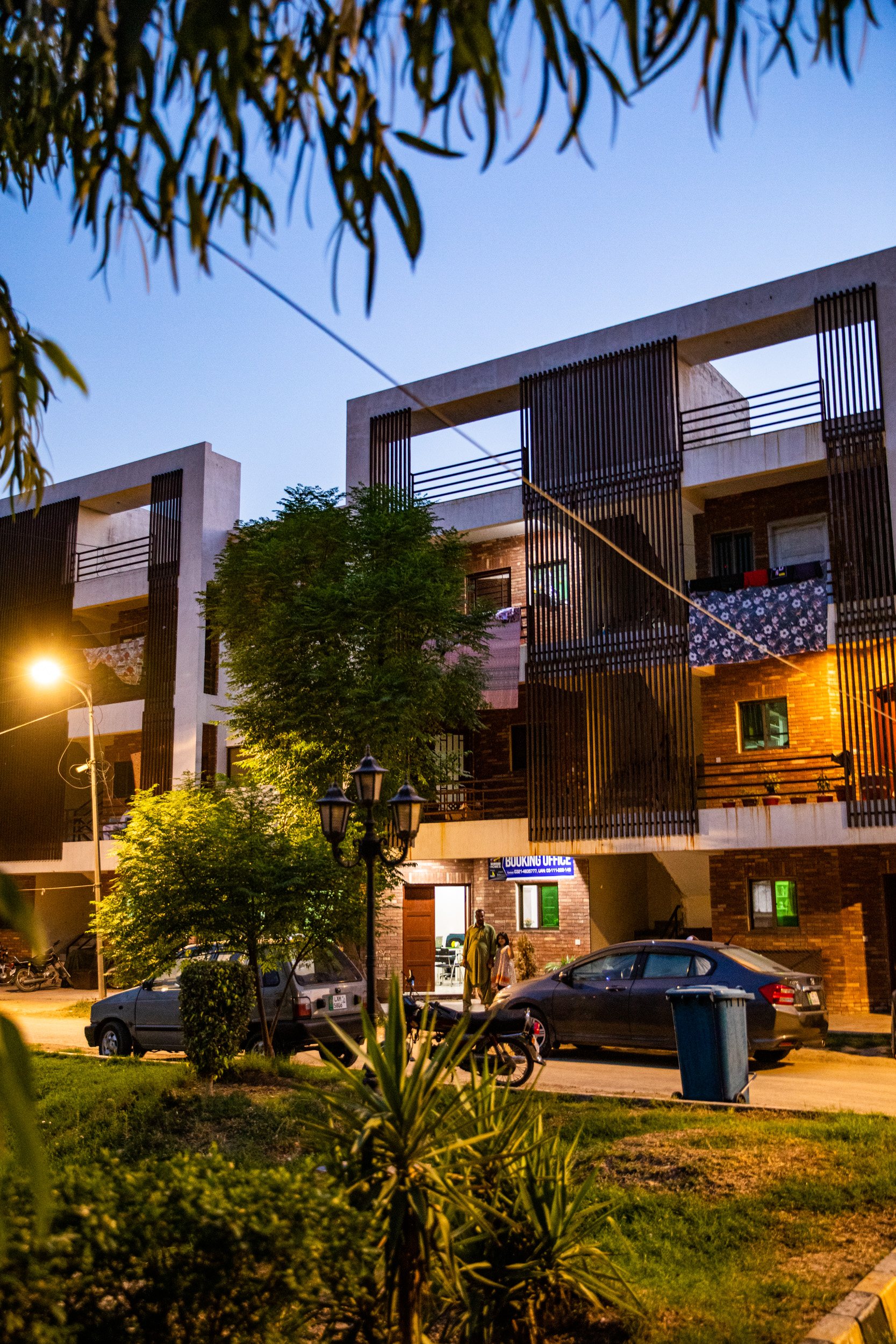
Affordable homes being built, Lahore.
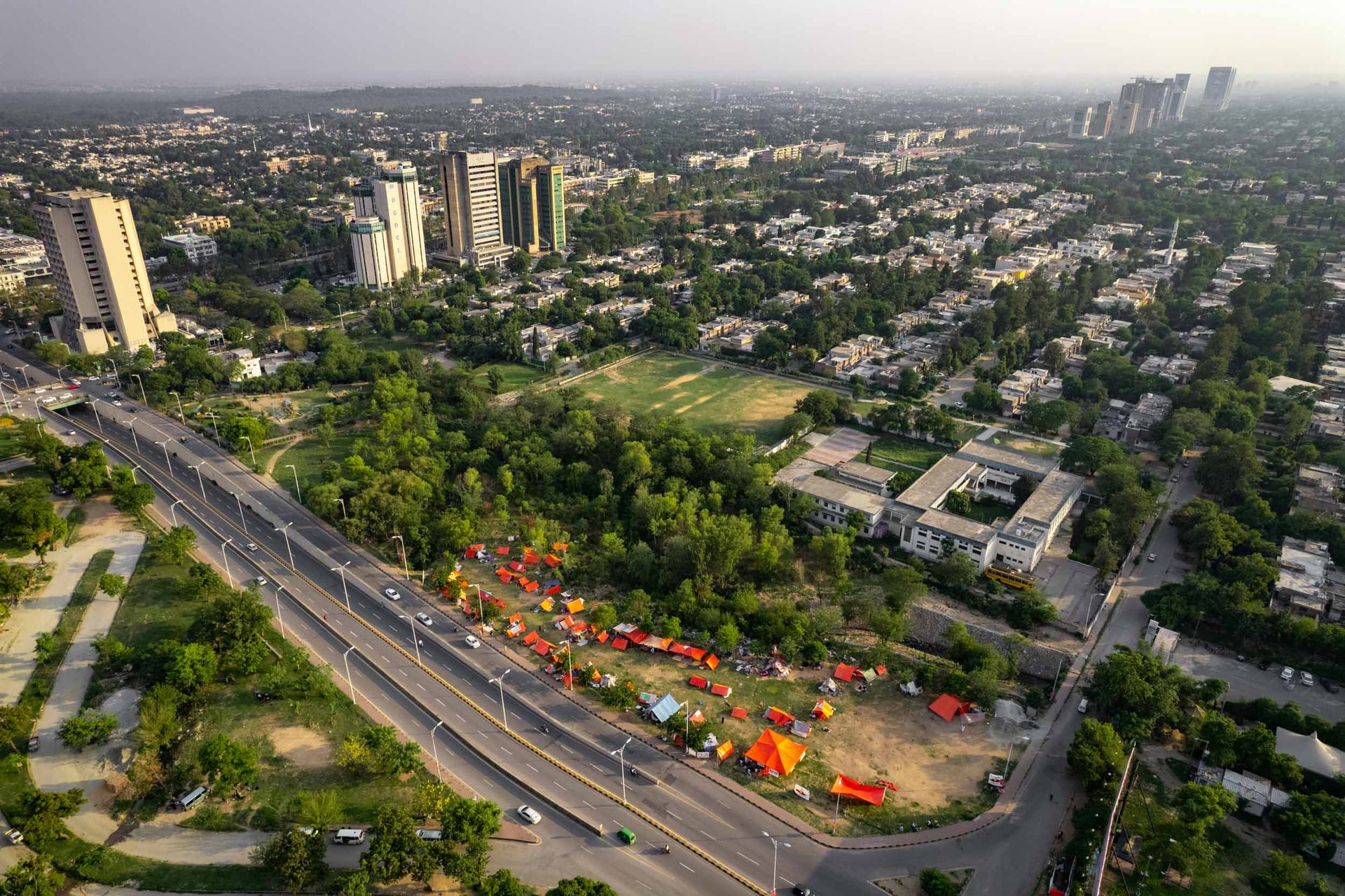
Afghan refugees, many of whom fled the Taliban in August 2021, live in tents in central Islamabad. Their demand is to be recognized as refugees, something that the UNHCR and the Pakistani government refused to do as of mid-2022.
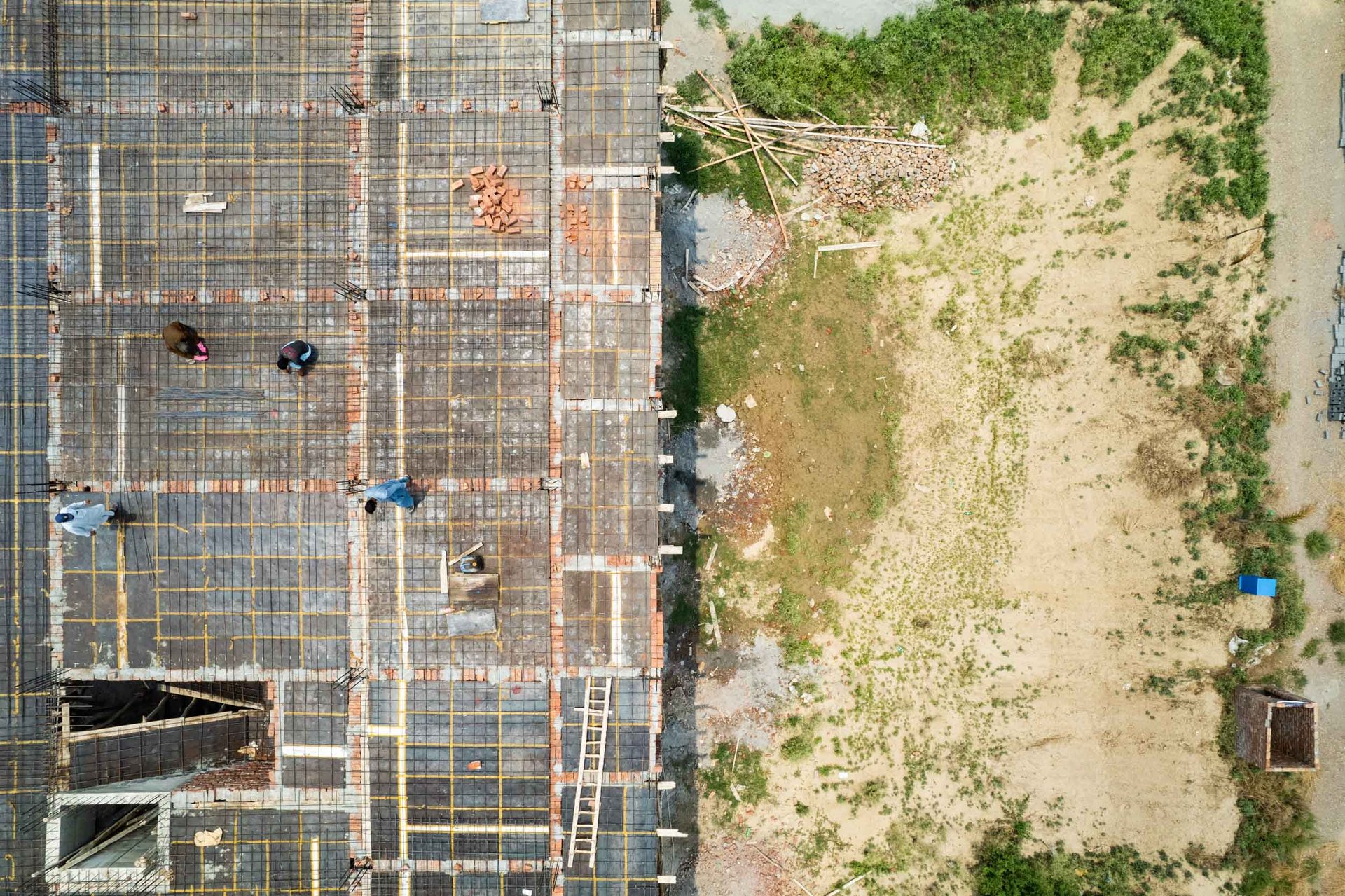
Low-income, affordable housing being built in Lahore.
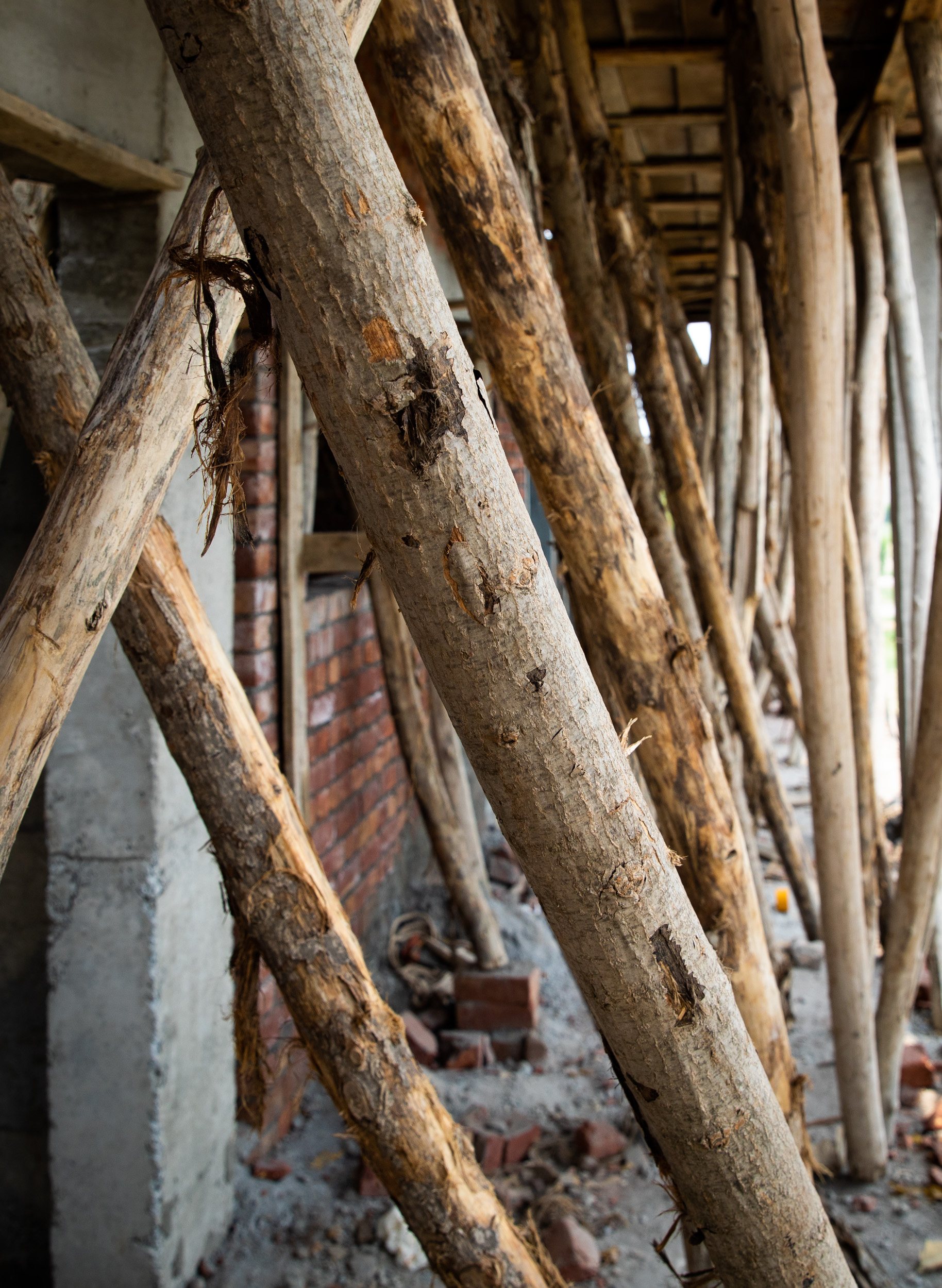
Construction techniques, Lahore.
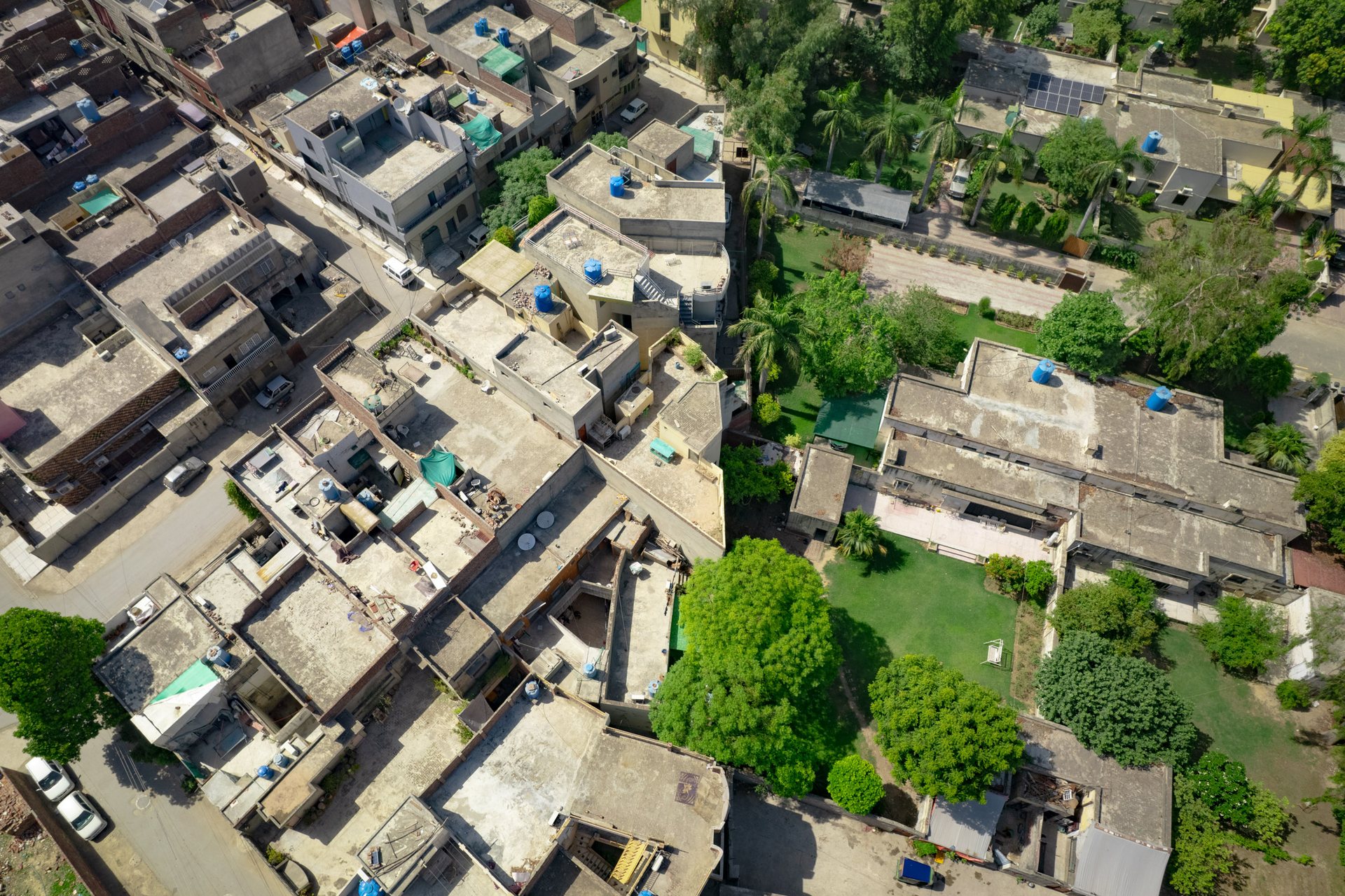
Inequality, Lahore.
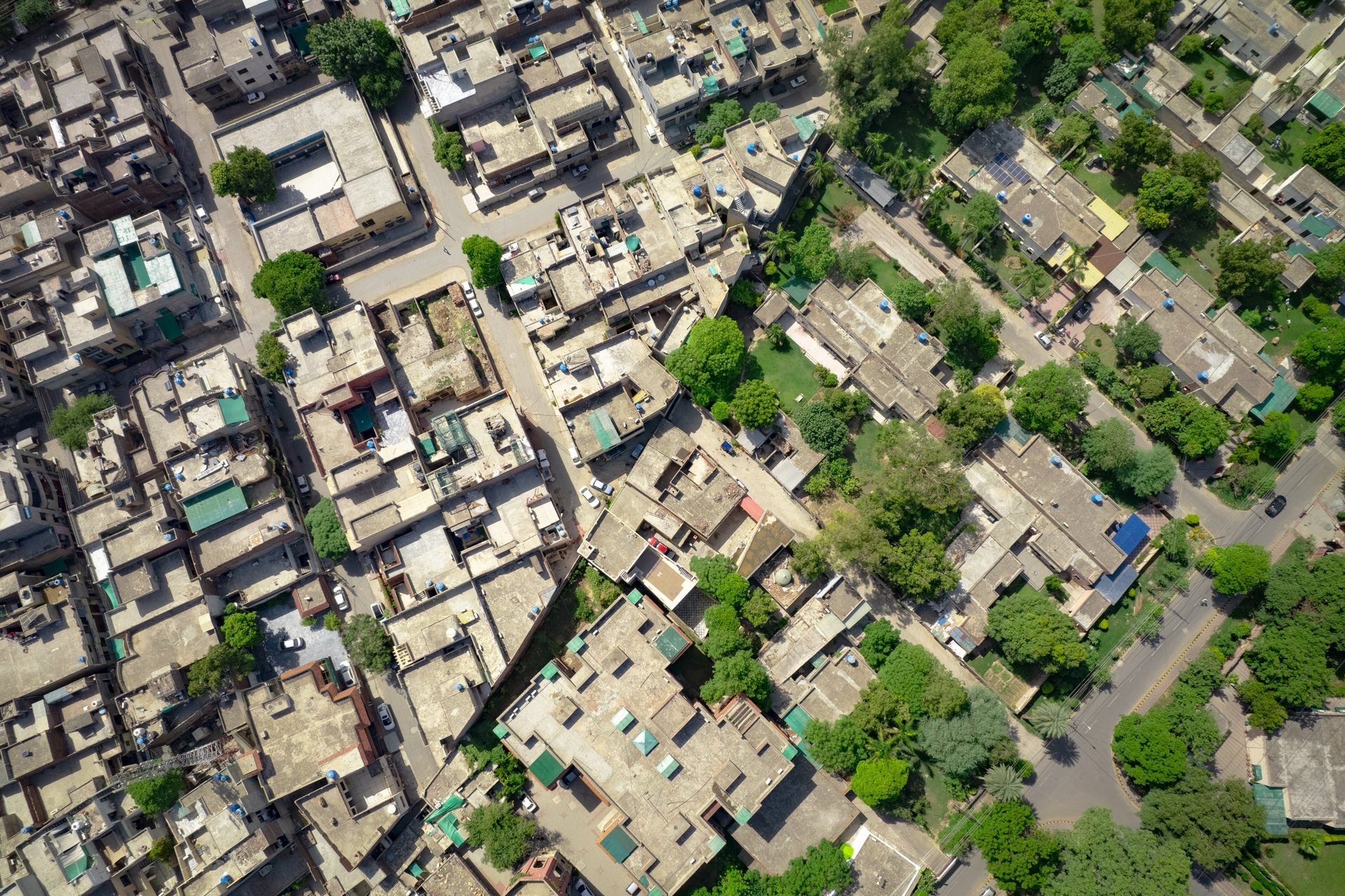
Inequality, Lahore.
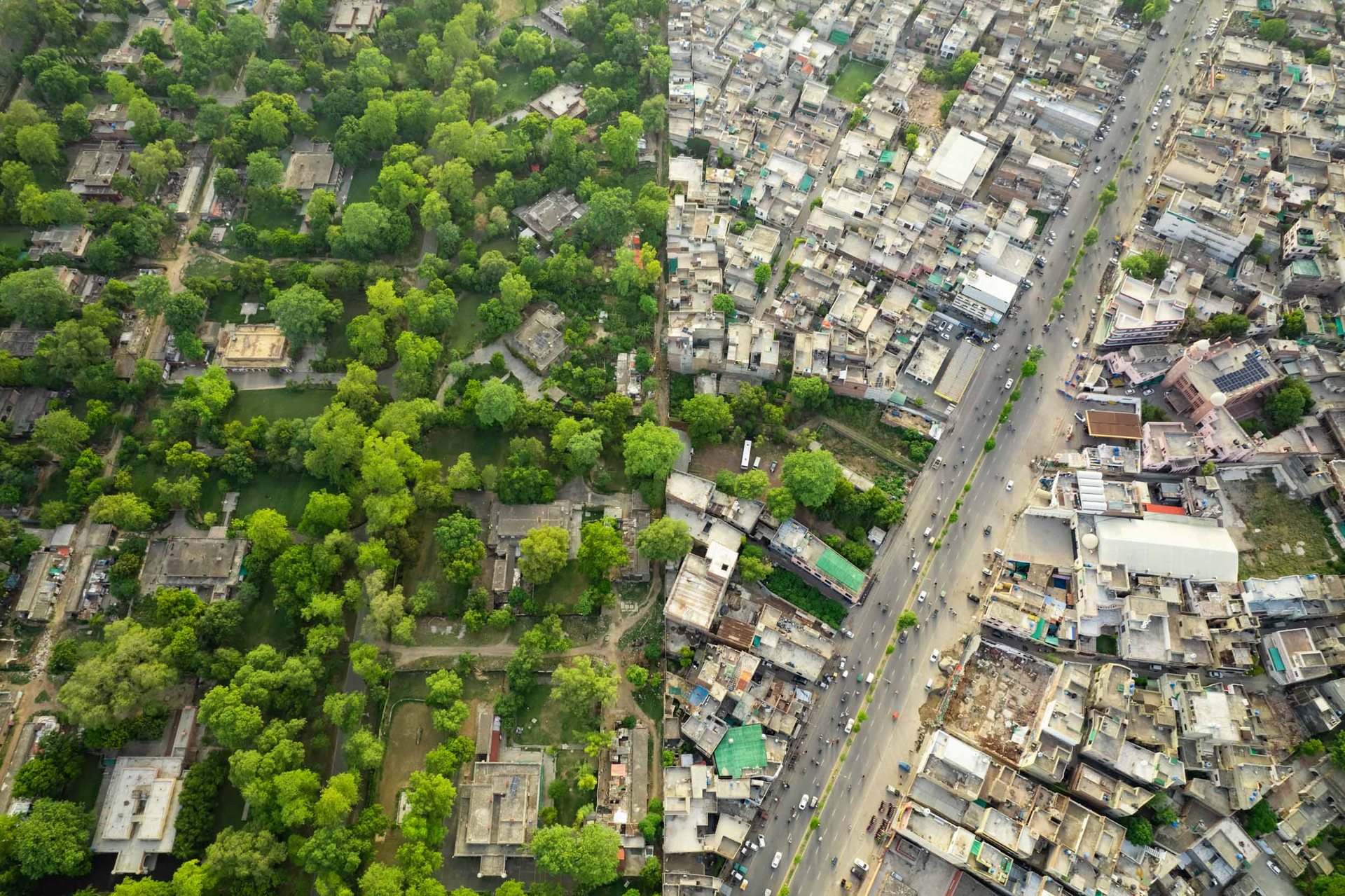
Lahore.
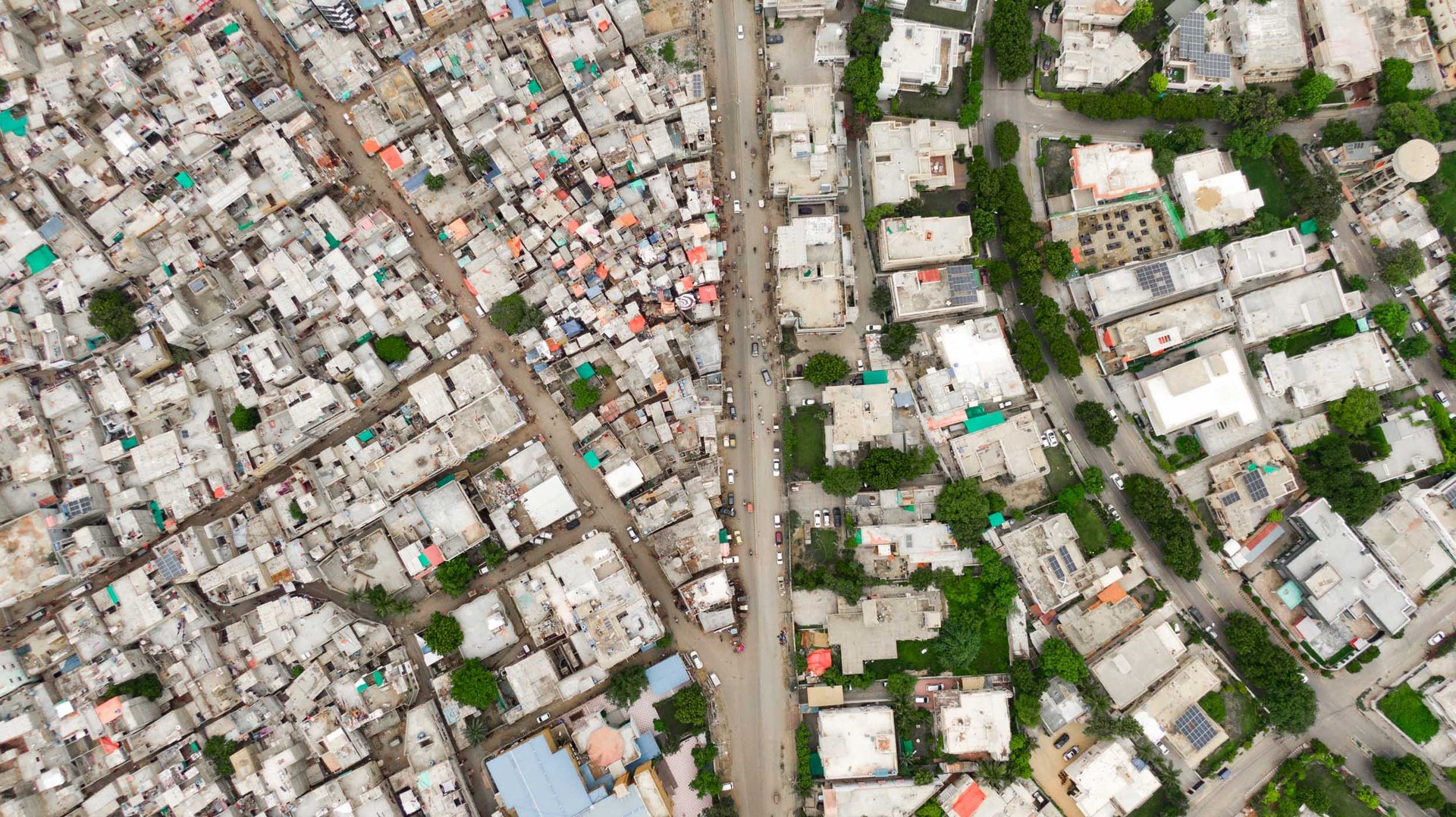
Karachi.
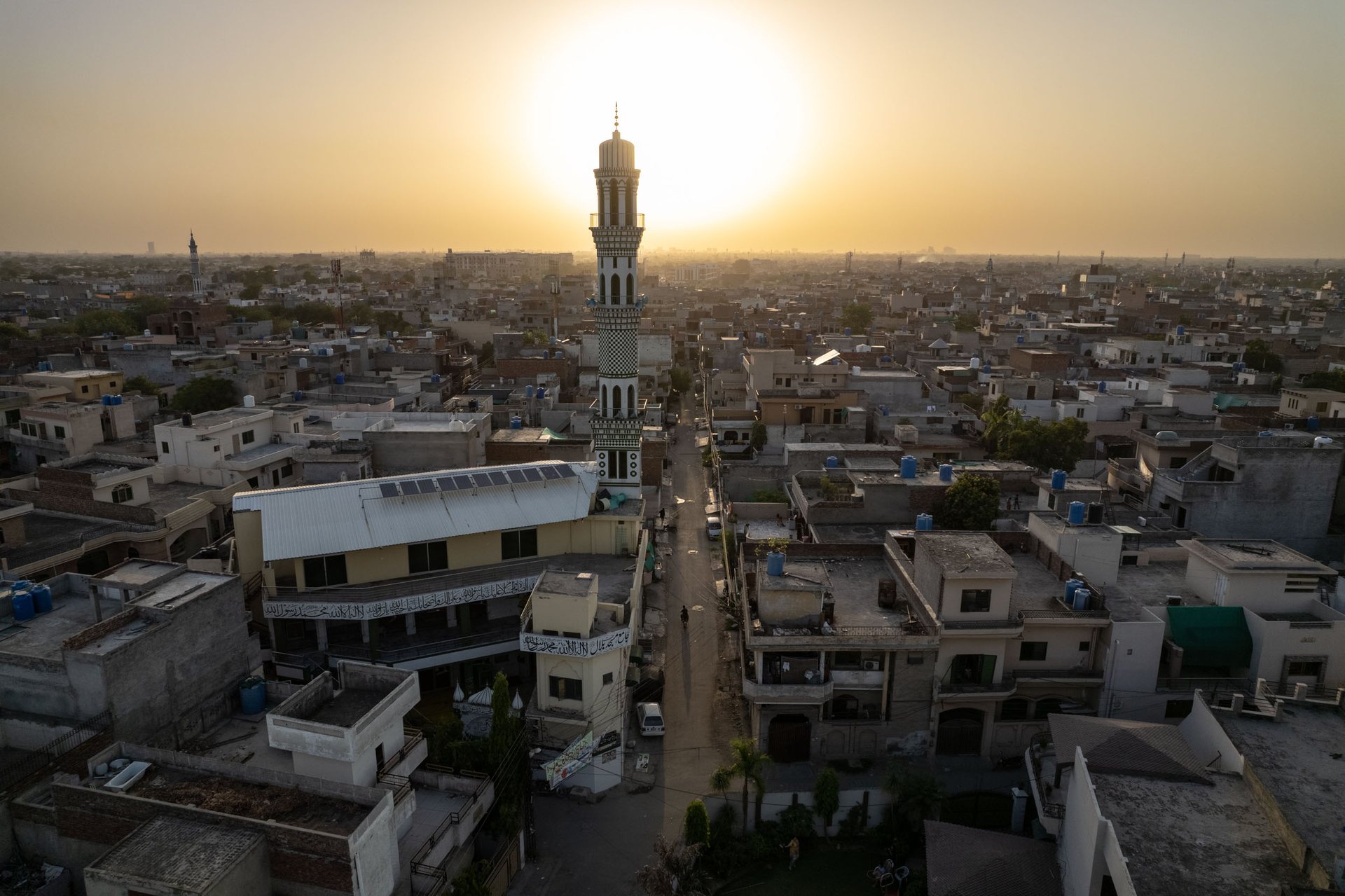
Sunset in Lahore.
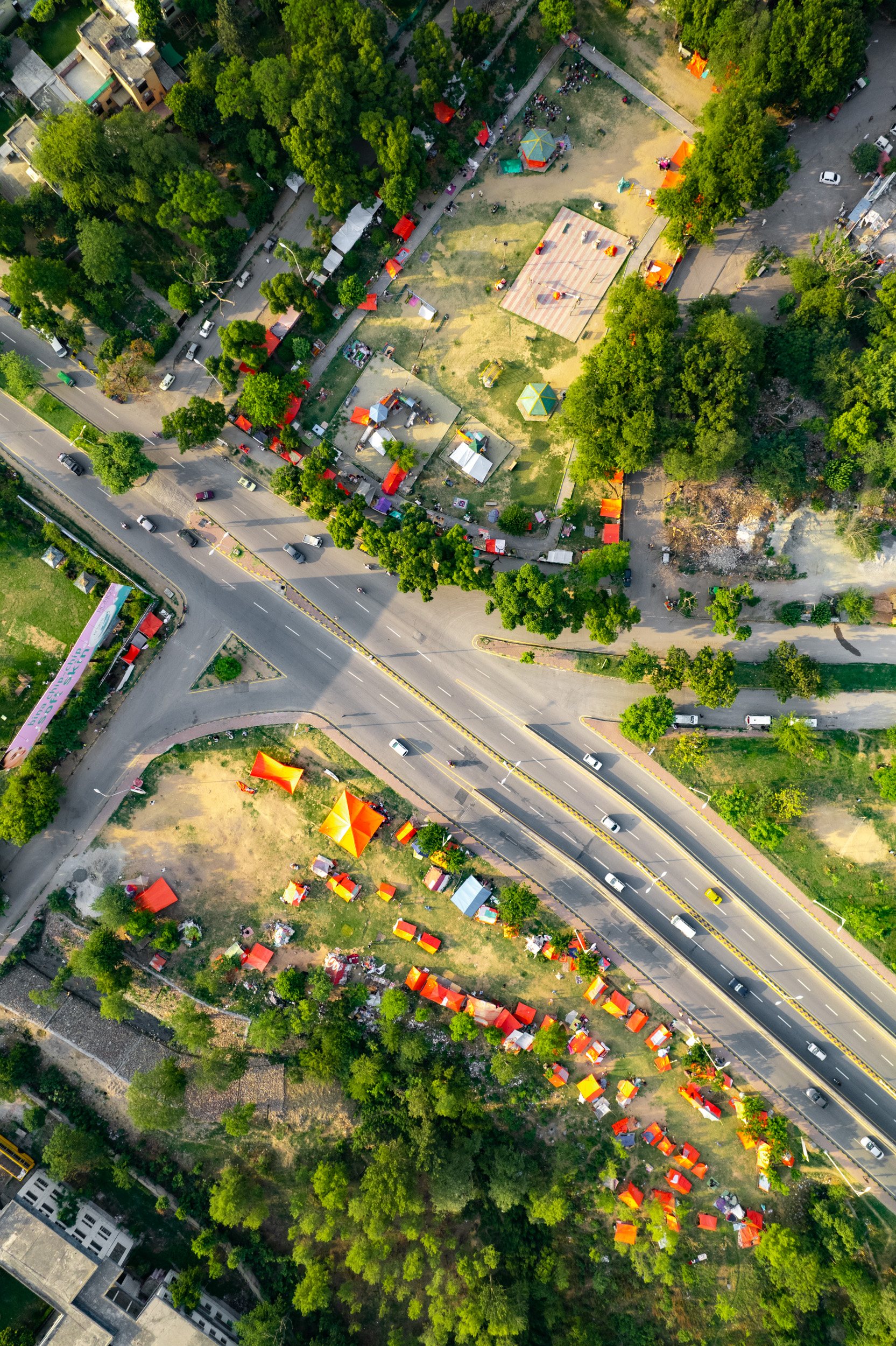
Afghan refugee camp in Islamabad.
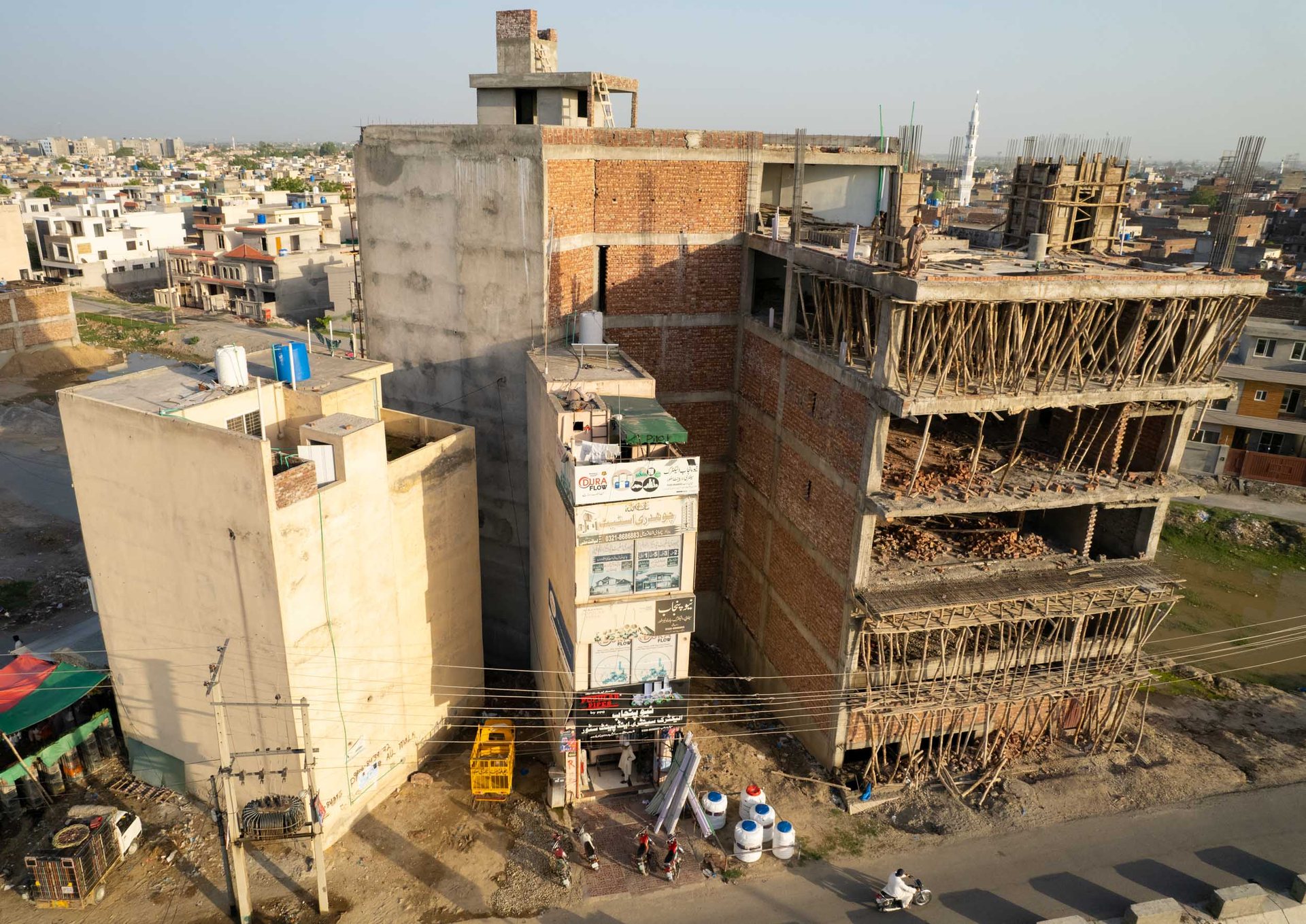
New buildings emerging in Lahore.
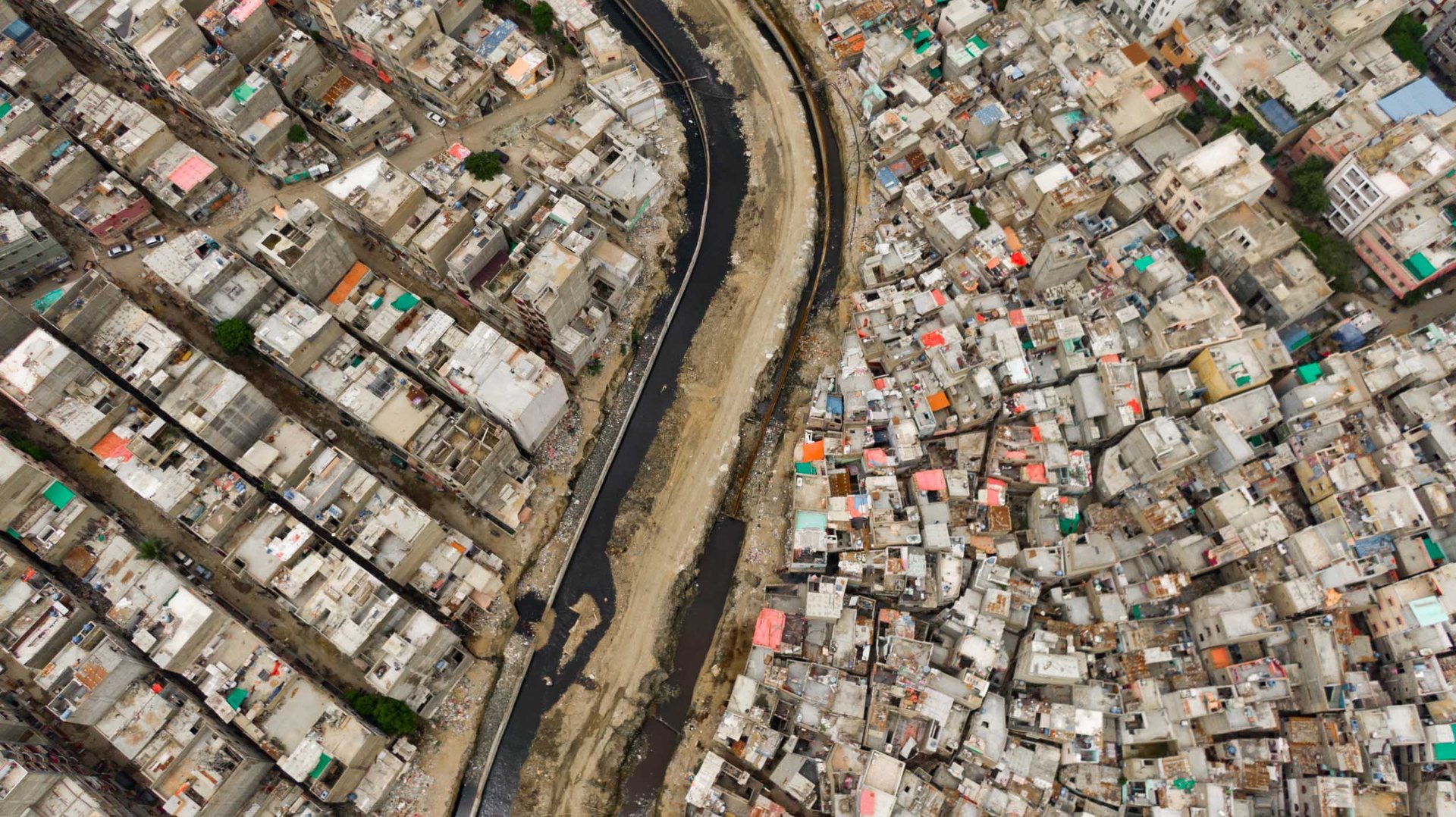
Karachi is Pakistan's largest city and commercial heart, a megacity of well over 15 million people, and one of the most unequal. Formal planning has never come close to housing everyone, so most of the city's poor, by many estimates more than half its population, live in katchi abadis: informal settlements built by residents themselves, often on land they have no title to, pieced together over years and wired for water and power through unofficial channels.